Amateur astronomers like nothing more than spending time under a dark night sky with a field of friends.
Star parties are a popular part of the hobby of amateur astronomy. They’re chances for stargazers to get under dark skies and meet up with others who love the night sky.
Each year I attend the biggest such event in my area in western Canada, the Saskatchewan Summer Star Party. It usually attracts about 320 sky lovers to the very dark skies of southwest Saskatchewan.
A light pollution map where grey = good!
The label marks the spot for the Party, in the Cypress Hills, and in the Cypress Hills Interprovincial Park, that straddles the border of Saskatchewan and Alberta. As per its name, the SSSP is held on the Saskatchewan side of the Park, in the Centre Block south of Maple Creek. (A complementary Southern Alberta Star Party is held on the Alberta side of the Cypress Hills, in September. I’ll be there!)
As the map shows, the Cypress Hills are far from any light pollution and offer “Bortle 2-class” skies — 1 being the darkest, and 9 being downtown Las Vegas!
In fact, the Park is a Dark Sky Preserve, a designation awarded in 2004. Parks are increasingly aware of their role in not only conserving flora, fauna, and historical sites, but also the increasingly threatened night sky. As the saying goes, “Half the Park is after dark!”
The DSP Declaration
The Dark Sky Preserve designation, and efforts to refit what lighting is in the Park to “dark-sky friendly” fixtures, came about as a direct result of the Park, and Star Party, being the site of a comet discovery three years earlier.
It was at the Star Party in August 2001 that Regina amateur astronomer Vance Petriew discovered a comet, an observing feat that merits a comet being named for the discoverer.
This year, a new sign and plaque were unveiled commemorating the discovery, replacing a cairn that had fallen into disrepair over 20 years. Here is the unveiling —
Park officials, fellow astronomers and Vance unveil the sign.
This was a fine event with all the star party folks in attendance, many of whom were there in 2001! — including the now adult daughters of the Petriew family.
Click on the images below to bring the photos up full screen.
The Petriew FamilyThe comet scope in 2025.Comet Petriew plaque
While that was a highlight of the week, the real show was the sky above. The Milky Way was on display in a sky clearer and darker than we had seen it for many years. No clouds, no smoke, and little dew and bugs! The Cypress Hills are a mecca for stargazing!
The road into the Meadows Campground, home to the Saskatchewan Summer Star Party. The SSSP is organized by the Royal Astronomical Society of Canada centres in Regina and Saskatoon. Telescopes and tents under the Milky Wa.yA sky tour in the early evening with blue twilight.The Big and Little Dippers in the Cypress Hills
A popular part of this star party, as it is at many such events, is a laser-guided tour of naked-eye sights, where a guide points out the constellation patterns, and highlights objects that need nothing more than binoculars to see well.
In a slide show below, astronomer Ron Waldron from Saskatoon conducts the 2025 Friday night “star walk.” It’s BYOB — Bring Your Own Binoculars!
Laser touring the sky
Yes, there was an aurora
Look up! Look way up!
Peering into the Galactic Core
While participants stay up until the wee hours to enjoy all that the sky has to offer, every star party offers a range of daytime activities (but not happening too early!). Star parties are great places to see fields of telescopes of every description. This year the program included a formal “show-and-shine” tour of some notable gear for all to admire. And there’s the ever-popular swap meet with bargains on offer.
The Swap Meet
Kevin’s astrophoto rig
Wade’s classic refractor
Ed’s super astrophoto scope
Nick’s astrophoto array
Dan’s super solar scope
We enjoyed several talks on a range of astronomy topics, not just stargazing, but also the latest in science research. We heard about a satellite being built in Saskatchewan by U of S and U of R students, and about how the Mars Perseverance rover collects samples, in a talk from one of the researchers involved with the NASA mission.
Kimberly Sibbald delivered the opening keynote on her amazing astrophotos.
Dr. Chris Herd from the U of A explained Mars sample collection.
And I gave a short talk about eclipses coming up.
A 3D model of the Sask Sat
And of course there were awards and door prizes to be won! Always to a capacity crowd at the Cypress Resort conference room.
The door prizes being handed out. You must be in the room to win!
It was a superb 4 days of astronomy and stargazing. If you are in the area, I highly recommend attending. Next year’s SSSP will be August 12 to 15 inclusive — it’s always at New Moon. The website is here but won’t be updated for the 2026 event details until next year.
I won’t be there in 2026, as August 12 is the date of the next total eclipse of the Sun, which I discuss in my previous blog. I plan to be in Spain!
This is the new sign and plaque commemorating the discovery in 2001 of a comet here in the Cypress Hills Interprovincial Park by Vance Petriew.
But I highly recommend attending in 2026. As most people do, you may find yourself enjoying the weekend so much you make it an annual event in your calendar. I shall miss my annual August ritual of the SSSP in 2026 and in 2027 — there’s an eclipse that August, too!
But 2025 was certainly a fine year to enjoy all that the Cypress Hills have to offer under the stars.
I’ve been visiting Churchill, Manitoba during winter aurora season since 2014. But this was my last year for standing under its fabulous Northern Lights.
From February 21 to March 4, 2025 I was at the Churchill Northern Studies Centre for my annual visit serving as an instructor to visiting aurora tourists. I’d been doing the program for ten years, with a year off in 2021 when no one visited!
But I decided this was to be my last year, as it was time to “retire” and turn over the program to a new generation of instructors.
So here I present my last look at the Churchill auroras.
A 180º panorama across the north during an all-night display of Northern Lights, from the Churchill Northern Studies Centre, in Churchill, Manitoba, on February 22, 2025. A panorama of 7 segments, each 13-second exposures with the Viltrox 16mm lens at f/2 on the Nikon Z6III at ISO 1600.
Churchill, Manitoba is on the shore of Hudson Bay at a latitude of 58º North in the sub-Arctic.
It lies under the normal location of the “auroral oval,” the ring around the North Geomagnetic Pole where there is almost always some aurora happening, even on a quiet night. Churchill is as far south as the auroral oval appears in the world when the oval is in its normal state.
By visiting a site under the oval, aurora tourists are almost guaranteed a show, provided the sky is clear.
This is a 180º panorama of the Northern Lights across the northern, eastern and southern sky on February 27, 2025 during a Kp4-level display. This is a panorama of 3 segments, each 13-second exposures at f/2.8 with the Laowa 10mm lens on the Nikon Z6III at ISO 1600.
In winter in Churchill, the cold usually brings clear skies. In a decade of conducting programs I’ve only ever had one group clouded out for all five nights of the program. That’s a far better average than locations such as Iceland.
This is a 120º panorama of the Northern Lights across the northern sky on February 26, 2025 during a Kp3-level display. This shows some fine ray structure in the curtains. This is a panorama of 2 segments, each an 8-second exposure at f/2.8 with the Laowa 10mm lens on the Nikon Z6III at ISO 1600.
While several excellent travel companies and local businesses offer aurora tours to Churchill, signing up to one offered by the Northern Studies Centre offers some major advantages.
Notably, guests stay at the Centre, some 20 kilometres outside of Churchill on the site of the old Rocket Range. That makes the site dark and free of light pollution.
A panorama of the Northern Studies Centre. It has dorm rooms, a cafeteria, classrooms, lounges, a fitness room, library, and all the comforts needed for a great stay under the Lights.
And convenient. Guests sleep on site and need only dress up warm to quickly head outside when the “Lights are out!” call comes. Instructors wake up guests when the Lights don’t appear until late at night, as can often be the case. There’s no driving out to dark sites to wait for the Lights to appear.
A fish-eye 360° view of the fine display of Northern Lights on February 25, 2025, during a substorm outburst with bright curtains to the north. A single 2.5-second exposure with the TTArtisan 7.5mm fish-eye lens at f/2.
An option is also to head up to the CNSC’s rooftop aurora dome for viewing the Lights in warm shirt-sleeve comfort.
Aurora tourists enjoy the show at the Churchill Northern Studies Centre, February 26, 2025. This was the Learning Vacations tour group in late February 2025. This is a single 8-second exposure with the Laowa 10mm lens at f/2.8 and Nikon Z6III at ISO 1600.
But most guests opt to bundle up and brave the cold for the best experience and unobstructed views of the Lights filling the sky. A convenient option is the second floor observation deck, shown above, and in an image taken from the deck, below.
A photographer is capturing a bright display of Northern Lights at the Churchill Northern Studies Centre. This was the first night of a five-night session for aurora tourists from the Road Scholar education travel company. This is a single 4-second exposure with the Laowa 10mm lens at f/2.8 and Nikon Z6III at ISO 3200.
The program includes nightly science talks about the aurora and night sky. The daytime program includes dogsledding, snowshoeing, a tour of the old Rocket Range, and visits to sites in Churchill such as the murals and museums. It’s a very full five days of programming and learning.
A fish-eye 360° view of a dim and weak display of Northern Lights on February 24, 2025, showing a green diffuse band to the south and a dim red curtain overhead with rays to the east. This red aurora was just visible to the eye as a grey streak. A single long 30-second exposure with the TTArtisan 7.5mm fish-eye lens wide open at f/2 on the Nikon Z6III at ISO 1600.
The main attraction, the aurora, can vary from night to night. However, even when the aurora is weak, as it was this night, above, it can still put on a fine show for the camera, glowing in red colours that only long exposures reveal.
Aurora tourists from the Road Scholar travel company enjoy the show of Northern Lights at the Churchill Northern Studies centre in Churchill, Manitoba, March 1, 2025. This is a 6-second exposure at f/1.8 with the Viltrox 16mm lens on the Nikon Z6III at ISO 1600.
While I use high-end cameras and fast lenses, I’ve been impressed with how well today’s phone cameras can capture the Lights very simply and easily, as a guest is doing above, especially when the aurora is bright.
A band of bright green aurora appears here with some subtle red rays at right and magenta upper curtains at left, with the green glow lighting the snow green. A 10-second exposure with the Laowa 10mm lens at f/2.8 on the Nikon Z6III at ISO 1600.
When the aurora brightens, greens and sometimes pinks are visible to the eye, and not just to the camera. And the aurora exhibits rapid rippling and waving motions (check the video below).
A bright display of colourful curtains of Northern Lights at the Churchill Northern Studies Centre. This is looking northeast toward the direction of the midnight sector where the auroras usually brighten from. This is a single 8-second exposure with the Laowa 10mm lens at f/2.8 and Nikon Z6III at ISO 1600.
The finest sight is when the aurora curtains converge overhead at the zenith for a “coronal outburst.” The effect can be fleeting but the sight is unforgettable. It is one of the finest sights the sky can offer, ranking with a total eclipse of the Sun.
A fish-eye 360° view of the fine display of Northern Lights on February 25, 2025, with a complex of curtains passing overhead and across the sky from northeast (at lower left) to southwest (at upper right), with Venus setting at far right. Orion and Sirius are at bottom centre to the south. A single 10-second exposure with the TTArtisan 7.5mm fish-eye lens at f/2 on the Nikon Z6III at ISO 1600.
Indeed, on most nights the aurora, which might begin as a low arc across the north, moves south to fill the sky with swirling and curling curtains, as below.
This is a 180º panorama of the Northern Lights across the northern sky on February 27, 2025 during a Kp4-level display. The field extends from the horizon up to well past the zenith. This is a panorama of 6 segments, each an 8-second exposure at f/2.8 with the Laowa 10mm lens on the Nikon Z6III at ISO 1600.
A gallery of my images from Churchill from this year and from past years is on my main AmazingSky.com website here.
A musical collage of still images and real-time videos I shot this year is viewable here on YouTube.
Click through to YouTube for more information about the video.
It’s been a great ten years taking in the wonderful Northern Lights in Churchill. While this was my last year, I encourage you to visit to see the sights for yourself.
Everyone goes away with great memories, able to check the aurora off their bucket list of experiences.
After an absence of seven years it was great to be back under the fabulous sky of the Southern Hemisphere, home to the best deep-space splendours. Here’s my sky tour…
From 2000 to 2017, the year of my last previous trip Down Under, I had been travelling to the Southern Hemisphere, sometimes to Chile but most often to Australia, once a year or biennially. There’s just so much to see and photograph in the southern sky.
This is a panorama of the southernmost portion of the Milky Way, from the stars Alpha and Beta Centauri at far left, to Sirius, the brightest nighttime star, at far right. The second brightest star, Canopus, is at bottom. This is a panorama of 3 segments, each a stack of 10 to 20 sub-frames, each 4 minutes at ISO 800 with the Canon Ra and Canon RF28-70mm lens at f/2.
While the deep-south sky represents perhaps just 30 percent of the entire celestial sphere, it contains arguably the best of everything in the sky: the best nebulas, the best star clusters, the best galaxies, and certainly the best view of our own galaxy, the Milky Way.
No astronomical life is complete without a visit (or two or more!) to the lands south of the equator, ideally to a latitude of about 20° to 35° South. For the first time since 2017, I headed south this past March, in 2024. My belated blog takes you on a tour of the great southern sky.
NOTE: My blog is illustrated with lots of images, so it might take a while to load. Click or tap on an image to bring it up full screen. For the technically curious, I have included gear and exposure details in the captions.
Far Away in Australia
Yes, it’s long way to go — a 15-hour-flight from Canada. But Australia is my favourite destination down under. I can speak the language (sort of!), and have learned to drive on the left. Even after a seven year absence, my brain took only a few minutes to adjust once again to most of the car, and opposing traffic, being on the “wrong side” of me.
After a visit with the “relos” (Aussie for “relatives”) in Sydney and on the Central Coast of New South Wales, I loaded up all the telescope gear my folks had been kindly storing for me for two decades, and headed inland. Not really Outback. And not really “bush.”
My destination in March, as it usually has been on my many visits (this was my 12th time to Australia), was Coonabarabran in the Central West of NSW. It bills itself as the “Astronomy Capital of Australia.”
And rightly so, as nearby is the Siding Spring Observatory, Australia’s largest complex of optical telescopes (check the slide show above). I had a great tour again — thanks, Blake! — of the big 4-metre AAT that towers over the rest of the observatories on the mountain.
The Upside-Down Sky
A pano of Mirrabook Cottage, my astronomy retreat site.
My home for the first week in “Coona,” as the waning Moon got out of the way, was the Mirrabook Cottage off Timor Road, ideal as an astrophoto retreat. The view to the east and south (the view above) is partly obscured by gum trees, but not enough to prevent shooting targets around the South Celestial Pole, such as the Magellanic Clouds, as I show below.
The scope came with me this time, but the mount had been in Oz for 20 years.
The first order of the day upon arriving was to sort out my gear, to see if it was all working. My main Oz telescope, a legendary Astro-Physics Traveler refractor that I had stored in Australia since the early 2000s, came home with me in 2017, for use at the 2017, 2023, and 2024 solar eclipses in North America (the links take you to blogs for those eclipses) .
So this year I brought another little refractor with me, the diminutive Sharpstar 61mm EDPH III. Many of the images I present here I shot with the Sharpstar, on the veteran Astro-Physics AP400 mount I show above, which had lived in Australia for two decades. It came home with me this time, to use the very next month at the April total eclipse in Quebec. My blog with the final music video from that eclipse is here.
But I also brought a little star tracker, an MSM Nomad, which I reviewed here, just in case the old iOptron tracker I had in Australia, but hadn’t used since 2017, did not work. I needn’t have feared. It was the new Nomad that had issues, with the iOptron serving me well as a back-up for wide-angle Milky Way images.
This is a wide-angle view of the constellations of the northern hemisphere winter, but seen from the southern hemisphere looking north on an austral autumn night, March 3, 2024. Shot on the MSM Nomad tracker, for a blend of 4 x 2-minutes tracked at ISO 1600 for the sky and 2 x 2-minutes untracked at ISO 800 for the ground.
From Mirrabook looking north affords a fine view of a sky familiar to us northerners — if we stand on our heads! Orion and the stars of “winter” are there but upside-down for us, with the constellations that are overhead for us at home, now low in the north.
I shot all the images presented here during my two-week Oz astrophoto extravaganza. I had clear skies every night, bar for a couple that were welcome breaks!
This is a wide-angle view of the southern Milky Way, here from Carina and Crux at lower left up to Orion and Monoceros at upper right. On the MSM Nomad tracker, for a stack of 10 x 3-minute exposures at ISO 800 with the TTArtisan 11mm lens on the Canon Ra.
South of Orion, and overhead from Australia (as I show above), is the dimmer section of the Milky Way passing through constellations once part of the huge celestial ship Argo Navis, now broken into Puppis the Aft Deck, Vela the Sails, and Carina the Keel, the latter containing the second brightest star in the night sky, Canopus, second only to Sirius nearby in Canis Major.
Puppis and Vela
Though somewhat obscure and hard to pick out as distinctive patterns, Puppis and Vela are filled with deep-sky wonders.
The biggest is so vast it covers as much sky as a hand length, held at arm’s length. But it is totally invisible to the eye, even aided by optics.
This is a framing of the vast Gum Nebula in the southern Milky Way, that sprawls over the constellations of Vela and Puppis. This is a stack of 12 x 5 minutes at ISO 1600 and f/2 with the Astronomik 12nm H-alpha clip-in filter, blended onto the base unfiltered images from a stack of 14 x 3 minutes at f/2.8, all with the Canon RF28-70mm lens at 28mm on the red-sensitive Canon Ra camera, and on the MSM Nomad tracker.
This is the huge Gum Nebula, discovered in 1955 by Australian astronomer Colin Gum, working at the Mt. Stromlo Observatory near Canberra. It might be a star-forming nebula shaped by stellar winds, or it might be the exploded debris of a nearby supernova star.
Within the Gum Nebula in Vela is a smaller complex of arcs and fragments I show below. This definitely is a supernova remnant, one that exploded about 11,000 years ago some 900 light years away. But it, too, is large, making it a perfect target for the little refractor, and a telephoto lens, with both versions below.
This frames most of the intricate arcs and loops of the Vela Supernova Remnant (SNR). This is a stack of 8 x 10-minute exposures shot through an IDAS NBZ dual narrowband filter to bring out the nebulosity, blended with a stack of 12 x 5-minute exposures with no filter. All with the filter-modified Canon EOS R camera, on the Sharpstar 61 EDPH III refractor at f/4.4. This is the large Vela Supernova Remnant in a stack of 15 x 2-minute exposures with the Canon RF135mm lens at f/2 on the Canon Ra at ISO 1000. With a broadband filter.
The area is also home to rich fields of bright star clusters (two are below), many intertwined with wreaths of star-forming nebulosity. These rival or exceed the more famous northern targets of the Messier Catalogue compiled between 1774 and 1781 by Charles Messier. It took several more decades before astronomers from the north catalogued the sky to the south.
This is the bright, large and colourful naked-eye star cluster NGC 2516 in Carina, aka the Southern Beehive Cluster, near the bright star Avior (Epsilon Carinae) in Carina. This is a stack of 8 x 5 minute exposures with the Sharpstar 61mm refractor at f/4.4 and the Canon R at ISO 800.This frames a pair of contrasting and superb star clusters in Puppis: rich NGC 2477 on the left and sparse but bright NGC 2451 on the right, the latter centred on the orange star c Puppis. This is a stack of 8 x 5 minute exposures with the Sharpstar 61mm refractor at f/4.4 and the modified Canon R at ISO 800.
Carina and Crux
Continuing deeper down the Milky Way we come to its most southerly portion rich in nebulas and clusters that outclass anything up north. This is also the brightest part of the Milky Way after the Galactic Centre.
This is the showpiece nebula of the southern skies, the Carina Nebula. The bright and rich Football Cluster, aka the Black Arrow Cluster or Pincushion Cluster, is at upper left. With the Sharpstar refractor at f/4.4 and filter-modified Canon R at ISO 3200 for narrowband filtered shots and ISO 800 for unfiltered shots.
The Carina Nebula is larger than the more famous Orion Nebula farther north. In the eyepiece it is a glowing cloud painted in shades of grey and crossed by intersecting dark lanes of dust. Photographs reveal even more intricate details, and the magenta tints of glowing hydrogen.
At upper left is the “Football Cluster,” as Aussies call it, or the Black Arrow Cluster, aka NGC 3532. It is surely one of the finest open star clusters in the sky. John Herschel, who in the 19th century compiled the first thorough catalogue of southern objects, thought so. I agree!
This is the Southern Pleiades star cluster surrounding the naked eye star Theta Carinae. This is a stack of 8 x 5 minute exposures with the Sharpstar 61mm refractor at f/4.4 and the Canon R at ISO 800.
Below the Carina Nebula is a brighter and bluer star cluster known as the Southern Pleiades, or IC 2602. Like many of the targets I show here, it is visible to the unaided eye and is a fine sight in binoculars, which are all you need to enjoy most of the southern splendours.
This two-segment telephoto lens panorama extends from the colourful stars of Crux, the Southern Cross at left, to Carina at right. This is a panorama of two segments, each a stack of 12 x 2-minute exposures with the Canon RF135mm lens at f/2 on Canon Ra at ISO 800.
East of the constellation of Carina is the iconic and colourful Southern Cross, or Crux, a star pattern on the flags of Australia, New Zealand and several other austral nations.
This frames the dark Coal Sack nebula in Crux, the Southern Cross. This is a stack of 8 x 5 minute exposures with the Sharpstar 61mm refractor at f/4.4 and the filter-modified Canon R at ISO 800.
Next to Crux is the darkest patch in the Milky Way, called the Coal Sack. Looking like a dark hole to the eye, in photos it breaks up into streaky dust lanes surrounded by famous star clusters, like the Jewel Box above it. Like many southern clusters, the aptly named (by Herschel) Jewel Box contains a variety of colourful stars.
This is the region around the star Lambda Centauri, with the Running Chicken Nebula or IC 2948, at bottom, surrounding the star Lambda Centauri and the loose open star cluster IC 2944. This is a stack of 12 x 5 minute exposures with the Sharpstar 61mm at f/4.4 and filter-modified Canon EOS R camera at ISO 800.
Between Carina and Crux sits another wonderful field of clusters and nebulas, among them the more recently named Running Chicken Nebula. Can you see it? Above it is the Pearl Cluster, NGC 3766, also notable for its colourful member stars.
This frames the small constellation of Musca the Fly below the Southern Cross, with the dark nebula called the Dark Doodad, part of the Musca Dark Nebula Complex. This is a stack of 12 x 2 minute exposures with the Canon RF135mm lens at f/2 on the Canon Ra at ISO 800.
Below Crux is the little constellation of Musca the Fly (many southern constellations are named for rather mundane creatures and objects). One of Musca’s prime sights is the long finger of dusty darkness called the Dark Doodad — yes, that’s its official name!
The Magellanic Clouds
All the targets I’ve shown so far reside in our Milky Way. The next two objects, named for 16th century explorer Ferdinand Magellan, are extra-galactic.
This is the southern Milky Way in Carina, Crux and Centaurus arcing over Mirrabook Cottage. At right are the Large and Small Magellanic Clouds. This is looking south to the South Celestial Pole which is near centre here.
The Clouds are other galaxies beyond ours, but nearby. They are among the closest galaxies and are considered satellites of the Milky Way. Both are visible to the unaided eye, looking like detached bits of the Milky Way. For deep-sky aficionados, they are reason enough to visit the Southern Hemisphere!
This frames the entire Small Magellanic Cloud, a member of the Local Group of galaxies and a companion of our Milky Way Galaxy. The field is 7.5 by 5º. This is a blend of a stack of 8 x 10-minute exposures at ISO 3200 through an IDAS NBZ narrowband filter, and a stack of 12 x 5 minute unfiltered exposures at ISO 800, all with the Sharpstar 61mm refractor at f/4.4 and the filter-modified Canon R.
The Small Magellanic Cloud contains many star-forming nebulas that glow in hydrogen red and oxygen cyan. It is most famous for its spectacular neighbour, the great globular star cluster called 47 Tucanae, here at right. It is not actually part of the SMC — 47 Tuc is more than ten times closer, on the outskirts of our Galaxy.
As rich as the Small Cloud is, it pales in comparison to its bigger neighbour, the LMC. The Large Magellanic Cloud is almost a universe unto itself. Astronomers have devoted their careers to studying it.
This is the Large Magellanic Cloud, some 160,000 light years away. This is with the Sharpstar refractor in a stack of 12 x 10-minute exposures at ISO 3200 through an IDAS NBZ dual-band (OIII and H-a) filter that adds most of the nebulosity, blended with a stack of 20 x 5-minute exposures at ISO 800 with no filter for the main “natural light” background content.
The biggest attraction in the LMC, one visible to the eye, is the Tarantula Nebula, the mass of cyan at left here. Many of the LMC’s nebulas emit light primarily from oxygen, not hydrogen. But figuring out which object is which can be tough. The LMC is filled with so many nebulas and clusters — and nebulous clusters — that no two catalogues of its contents ever quite agree on the identity and labels of all of them.
Northern Fields
The Magellanic Clouds are in the deep south, close to the Celestial Pole. A trip south of the equator is needed to see them. But on my trips to Australia I often like to shoot “northern” fields that I can’t get well at home in Canada.
This frames the variety of bright nebulas and dark dust clouds in and around the Belt and Sword of Orion. It shows how the bright Orion Nebula is really just the visible tip of a vast complex of gas and dust in Orion. This is a stack of 14 x 2 minute exposures with the Canon RF135mm lens at f/2 and on the Canon Ra at ISO 800. The lens had an 82mm URTH Night broadband filter on it to enhance nebulas somewhat.
This is the Belt and Sword of Orion the Hunter surrounded by interstellar clouds. It’s low in my south from home, but high in the north down under. This is with a telephoto lens, not the telescope, captured under better and more comfortable skies than I have in winter in Canada.
This is the nebula-rich region of Monoceros the Unicorn, containing the bright Rosette Nebula, NGC 2237, below the fainter and larger complex of nebulosity, NGC 2264, which contains the small (on this scale) Cone Nebula. This is a stack of 16 x 2 minute exposures with the Canon RF135mm lens at f/2 and on the Canon Ra at ISO 800.
Nearby is another nebulous field but fainter, in Monoceros the Unicorn, containing the popular target, the Rosette Nebula, at bottom here. But there’s much more in the area that shows up only in long exposures under dark skies.
At top is the large Seagull Nebula, an area of mostly red hydrogen-alpha emission and is a region of star formation. At bottom is the small Thor’s Helmet, mostly emitting cyan oxygen III light. This is a blend of a stack of 12 x 10-minute exposures at ISO 3200 with the IDAS NBZ filter, and a stack of 12 x 5-minute exposures at ISO 800 with no filter. All with the Sharpstar 61mm refractor at f/4.4 and Canon EOS R camera.
A target I’ve often had difficulty shooting for one technical reason or another is the Seagull Nebula straddling the border between Monoceros and Canis Major. I got it this time, together with a contrasting blue-green nebula called Thor’s Helmet, at lower left. It’s the expelled outer layers of a hot but aging giant star called a Wolf-Rayet star.
The OzSky Star Party
After a successful week at Mirrabook, I packed up and moved down the road to the Warrumbungles Mountain Motel, home to the annual OzSky Star Safari I have now attended six times over the years. (I see as of this writing it is almost sold out for 2025!)
A colorful sunset over the telescope field at the OzSky star party, March 15, 2024, at the Warrumbungles Mountain Motel, near Coonabarabran, NSW, Australia.
Handheld with the RF28-70mm lens at 28mm on the Canon R.
Limited to about 30 people, OzSky (flip through the slide show above) caters to ardent amateur astronomers from overseas who want to revel in the southern sky, aided by the presence on site of a field of giant telescopes, delivered and set up by a great group of Australian astronomers, who show everyone how to run the computer-equipped scopes. And with tips on what to look at beyond the top “eye candy” targets I’m presenting here.
The views of the southern splendours through these 18- to 25-inch telescopes are well worth the price of admission!
Our group photo of the 2024 OzSky T-shirted attendees and hosts.
It is always a great week of stargazing and camaraderie. If you are thinking of “doing the southern sky,” I can think of no better way than by attending OzSky. While it is primarily geared to visual observers, a growing number of attendees have been lured into the “dark side” of astrophotography.
March and April, austral autumn, are good months to go anywhere down under, as you get views of the best of what the southern sky has to offer. The Milky Way is up all night, just as it is six months later in our northern autumn. That’s when I made my complementary Arizona pilgrimage this year, blogged about here.
The Dark Emu Rising
One of the great naked-eye sights at OzSky in its usual months of March or April is the Dark Emu rising after midnight.
This frames the Australian Aboriginal “Dark Emu” made of dark dust lanes in the Milky Way as it rises in the east. This is a blend of four tracked exposures for the sky and one untracked for the ground, all two minutes at ISO 1600 with the TTArtisan 11mm full-frame fish-eye lens on the Canon EOS R camera.
It is an Australian Aboriginal constellation made of lanes of obscuring interstellar dust, from the Coal Sack on down the Milky Way to past the Galactic Centre. It is obvious to the eye — a constellation made of darkness.
Sagittarius and Scorpius
Late at night in the austral autumn months, the centre of the Galaxy region in Sagittarius and Scorpius comes up, presenting such a wealth of fields and targets it is hard to know where to begin.
There’s no richer and more colourful area of the sky than this field encompassing the Galactic Center in Sagittarius, at left, and the constellation of Scorpius seen in full here at centre and at right. This is a stack of 6 x 2 minute exposures with the Canon RF 28-70mm lens at f/2 on the Canon Ra at ISO 800.
Yes, we can see this area from up north, but there’s nothing like seeing Scorpius crawling up the sky head first, and then shining from high overhead by dawn.
This is a mosaic of the tail of Scorpius — from the bright star cluster Messier 7 at upper left embedded in bright Milky Way starclouds, to the large star cluster NGC 6124 amid dusty dark lanes at lower right. This is a stitch of 3 segments: each a stack of 6 x 2 minute exposures with the Canon RF135mm at f/2 on the Canon Ra at ISO 800.
Fields like this in the Tail of Scorpius are below my northern horizon at home. And it would still be low from a southern U.S. site, where natural green or red airglow can spoil images. I’ve never had an issue with airglow in Australia. Oz skies are as dark and clean as I have ever experienced.
The Southern Milky Way
The grand finale of a night at OzSky, or anywhere in the southern hemisphere in autumn, is the celestial sight that I think ranks as one of the sky’s best, up there with a total solar eclipse.
This is an all-sky view of the centre of the Galaxy region in Sagittarius and Scorpius nearly overhead before dawn on an austral autumn morning in March 2024. The Milky Way stretches from Aquila at bottom left to Crux and Carina at upper right. This is a stack of 4 x 4 minute tracked exposures, at f/2.8 with the TTArtisan 11mm full-frame fish-eye lens on the filter-modified Canon EOS R at ISO 800.
That sight is the jaw-dropping pre-dawn panorama of our Galaxy stretched across the sky, with the bright core overhead and its spiral arms out to either side. It is obvious as a giant edge-on galaxy, with us far off-centre. The image above frames the entire Dark Emu.
One of my projects this year, for a moonless night with little likelihood of clouds coming through, was to work photographically along the Milky Way, down from Orion into Puppis and Vela, through Carina and Crux, and into Centaurus, then finishing with the galactic core area of Scorpius and Sagittarius.
This panorama takes in a 180° sweep of the Milky Way: from Sagittarius, Scorpius and the Galactic Centre at left, to Orion, Gemini and near the galactic anti-centre at right. This is a panorama of 11 segments, each a stack of 8 to 12 exposures, of 2 or 3 minutes each, with the Canon RF28-70mm lens at f/2.2 or f/2.8 on the Canon Ra at ISO 800.
The resulting 180º panorama, made of 11 segments shot at 32° South, was an all-night affair, interrupted by a nearby tree and the oncoming dawn. It complements one I shot six months later from 32° North in Arizona. That panorama is included in my Comet Chasing blog.
The Moon Returns
OzSky, as are all star parties, is timed for the dark of the Moon. By the end of the week, with everyone well and truly satiated by starlight and dark skies, the crescent Moon was beginning to appear in the west. (Yes, that’s a young waxing evening Moon, here near Jupiter on March 14, 2024.)
The waxing crescent Moon near Jupiter in the western twilight sky on an austral autumn evening. This is a blend of exposures to retain the detail around the bright Moon and corona glow: long (2.5s) for the sky and stars, and three shorter (0.6s, 0.3s and 1/6s) exposures for the Moon.
It was time to pack the telescopes into their trailers, and for everyone to head back home, whether that be in Australia or elsewhere in the world.
If You Go…
If you travel to the Southern Hemisphere, at the very least take binoculars and star charts, especially simple “beginner” charts, as you’ll be starting over again identifying a new set of patterns and stars.
For astrophotography, a star tracker is all you need, plus of course a camera and lenses. Focal lengths from fish-eye to telephoto can all be put to use. But many of the best fields are suitable for framing with no more than a 135mm lens, as I used for some of the images here.
But take good charts to identify the location of the South Celestial Pole in Octans the Octant. With no bright “South Star,” it can be tricky getting that field into your polar alignment sighting scope. Once aligned, I tend to leave my rig set up where it is, and not have to repeat the process each night. That’s why it’s nice to base yourself under dark skies at a cottage like Mirrabook, and not be on the road and at a different site every night.
The Sharpstar 61mm scope on the Star Adventurer GTi mount.
If you want to have a telescope with you, one of the current generation of small (50mm to 70mm) apo refractors is ideal, either to look through or shoot through. For imaging, a small equatorial mount is essential, but can be tough to pack with its tripod. And you need to power it. The little Sky-Watcher Star Adventurer GTi powered by its internal 8 AA batteries, but on a collapsible carbon fibre tripod, is a good choice.
For visual tours, the OzSky Star Safari will provide all the eyepiece time on big scopes you could ask for. It is imaging where you are on your own to come fully equipped and self-contained.
When will I be back? Perhaps not in 2025. But 2026 is a possibility, maybe a little later in austral autumn to get the Galactic Centre up sooner and higher before dawn. I’ve been to Australia in the winter months of June and July and it’s too cold! May perhaps.
My Oz observing site — with camera gear accompanied by a roo. Or a wallaby? Note the cover over my aligned tracker rig at right.
If you go once, you will be bitten (we hope not literally by one of Oz’s killer critters!) by the southern sky passion.
The only downside is that when I get home, often to poor weather, but even when skies are clear, I find that the home skies tend to lose their excitement and attraction. They just can’t compare to the great southern skies.
To mark the 50th anniversary of Apollo 11, my contribution was to produce a planetarium show about the missions.
I’ve been retired from active planetarium show production and science centre work for more than 5 years now. But it’s great to get back in the Dome now and then.
The opportunity came this summer with the hugely popular 50th anniversary of the first Moon landing by Apollo 11. Everyone was hosting events and parties.
To contribute to the local science centre’s event, TELUS Spark in Calgary kindly gave me the keys to the Evans and Sutherland Digistar planetarium system to produce a special lecture/show for the Dome about the Apollo landings.
It was part of Spark’s well-attended Moon Landing Party night July 20. A collage of iPhone images shows some of the other activities that evening.
It was a capacity crowd, and both my shows were “sold out” with full houses. Indeed, I’m presenting extra shows by popular demand in the coming week so those who couldn’t get tickets on July 20 can see the program.
For you to see the show, and to document it for my posterity, I shot time-lapses of me presenting the show, first in rehearsal with some staff present shot from the audience point of view, then in the first presentation from the stage (my) point of view.
The time-lapses compressed the hour-long show into two 1-minute clips. It really wasn’t that frantic in real life! Here’s the video, from my YouTube channel.
I was impressed and surprised at how popular the Apollo anniversary has been. For most today the Moon landings are old history, before their time. Yet, the Apollo missions continue to inspire and amaze.
Nothing amazes even the most inveterate skywatcher more than traveling to another hemisphere and seeing sky move. It moves the wrong way!
Whether you are from the southern hemisphere traveling north, or as I do, travel south from the Northern Hemisphere, watching how the sky moves can be disorienting.
Here I present a video montage of time-lapses shot last April in Australia, at the annual OzSky Star Party near Coonabarabran in New South Wales.
Select HD and Enlarge button to view at full screen at best quality.
You’ll see the sky set in the west but traveling in arcs from right to left, then in the next clip, rise in the east, again moving from right to left. That’s the wrong angle for us northerners.
Looking north you see the seasonal constellations, the ones that rise and set over a night and that change with the seasons. In this case, the night starts with Orion (upside-down!) to the north but setting over in the west, followed by Leo and bright Jupiter. The sky is moving from east to west, but that’s from right to left here. The austral Sun does the same thing by day.
Looking south, we see the circumpolar constellations, the ones that circle the South Celestial Pole. Only there’s no bright “South Star” to mark the pole.
The sky, including the two Magellanic Clouds (satellite galaxies to the Milky Way) and the spectacular Milky Way itself, turns around the blank pole, moving clockwise – the opposite direction to what we see up north.
I shot the sequences over four nights in early April, as several dozen stargazers from around the world revelled under the southern stars, using an array of impressive telescopes supplied by the Three Rivers Foundation, Australia, for us to explore the southern sky.
Last week, northerners marvelled at the splendours of the southern hemisphere sky from a dark site in Australia.
I’ve attended the OzSky Sky Safari several times and have always come away with memories of fantastic views of deep-sky wonders visible only from the southern hemisphere.
This year was no exception, as skies stayed mostly clear for the seven nights of the annual star party near Coonabarabran, New South Wales.
About 35 people from the U.S., Canada and the U.K. attended, to take in views through large telescopes supplied by the Australian branch of the Texas-based Three Rivers Foundation. The telescopes come with the best accessory of all: knowledgeable Aussies who know the southern sky and are delighted to present its splendours to us visiting sky tourists.
Here are a few of the night scenes from last week.
The lead image above shows a 360° panorama of the observing field and sky from early in the evening, as Orion sets in the west to the right, while Scorpius rises in the east to the left. The Large Magellanic Cloud is at centre, while the Southern Cross shines to the upper left in the Milky Way.
This is a stitch of 8 panels, each with the 14mm Rokinon lens at f/2.8 and mounted vertical in portrait orientation. Each exposure was 2.5 minutes at ISO 3200 with the Canon 5D MkII, with the camera tracking the sky on the iOptron Sky Tracker. Stitched with PTGui software with spherical projection.
This panorama, presented here looking south in a fish-eye scene, is from later in the night as the galactic core rises in the east. Bright Jupiter and the faint glow of the Gegenschein are visible at top to the north.
Each night observers used the big telescopes to gaze at familiar sights seen better than ever under Australian skies, and new objects never seen before.
This is a stack of 4 x 5 minute exposures with the Rokinon 14mm lens at f/2.8 and Canon 5D MkII at ISO 1600, all tracked on the iOptron Sky Tracker, plus one 5-minute exposure untracked of the ground to prevent it from blurring. The trees are blurred at the boundary of the two images, tracked and untracked.
The Dark Emu of aboriginal sky lore rises above some of the 3RF telescopes.
This is a single untracked 13-second exposure with the 35mm lens at f/2 and Canon 6D at ISO 6400.
Carole Benoit from Calgary looks at the Orion Nebula as an upside-down Orion sets into the west.
This is a single untracked 10-second exposure with the 35mm lens at f/2 and Canon 6D at ISO 6400.
John Bambury hunts down an open cluster in the rich southern Milky Way near Carina and Crux.
This is a single 13-second untracked exposure with the 35mm lens at f/2 and Canon 6D at ISO 6400.
David Batagol peers at a faint galaxy below the Large Magellanic Cloud, a satellite galaxy to our Milky Way.
The stars at night shine big and bright, deep in the heart of Texas.
Last week several hundred stargazers gathered under the dark skies of West Texas to revel in the wonders of the night sky. I was able to attend the annual Texas Star Party, a legendary event and a mecca for amateur astronomers held at the Prude Ranch near Fort Davis, Texas.
Some nights were plagued by clouds and thunderstorms. but here are some scenes from a clear night, with several hundred avid observers under the stars and Milky Way. Many stargazers used giant Dobsonian reflector telescopes to explore the faintest of deep-sky objects in and beyond the Milky Way.
A 360° panorama of the upper field of the Texas Star Party at the Prde Ranch near Fort Davis, TX, May 13, 2015, taken once the sky got astronomically dark. The panorama shows the field of telescopes and observers enjoying a night of deep-sky viewing and imaging. Venus is the bright object at right of centre and Jupiter is above it. The Zodiacal Light stretches up from the horizon and continues left across the sky in the Zodiacal Band to brighten in the east (left of centre) as the Gegeneschein. I shot this with a 14mm lens, oriented vertically, with each segment 60 seconds at f/2.8 and with the Canon 5D MkII at ISO 3200. The panorama is made of 8 segements at 45° spacings. The segments were stitched with PTGui software.
Observers at the Texas Star Party explore the wonders of the deep sky under the rising Milky Way, in May 2015. Sagittarius and Scorpius are in the background, with the centre of the Galaxy rising in the southeast. This is a single 30-second exposure at f/2 with the 24mm lens and Canon 5D MkII at ISO 4000.
Expert deep-sky observers Larry Mitchell and Barbara Wilson gaze skyward with Larry’s giant 36-inch Dobsonian telescope at the Texas Star Party, May 2015. This is a single 60-second exposure with the 14mm lens at f/2.8 and Canon 5D MkII at ISO 3200.
A deep-sky observer at the top of a tall ladder looking through a tall and large Dobsonian telescope, at the Texas Star Party, May 2015. Scorpius is rising in the background; Saturn is in the head of Scorpius as the bright star above centre. Anatares is just below Saturn. This is a single 30-second exposure at f/2.5 with the 24mm lens and Canon 5D MkII at ISO 6400.
Circumpolar star trails over the upper field of the Texas Star Party, May 13, 2015. I aimed the camera to look north over the field to capture the stars circling around Polaris in circumpolar trails over about 1 hour. Some cloud and haze obscured parts of the sky. Lights from cities to the north add the sky glow at right. The streaks at top are from the stars of the Big Dipper. This is a stack of 55 exposures, each 1 minute long, at f/2.8 with the 14mm lens and Canon 5D MkII at ISO 3200. The foreground comes from a single image in the series, masked and layered in Photoshop. The images were stacked using the Long Trails tapering effect with the Advanced Stacker Actions from Star Circle Academy.
I extend my thanks to the organizers for the great event, and for the opportunity to speak to the group as one of the featured evening speakers. It was great fun!
Sunlight and shadows at Fajada Butte served to mark the seasons a thousand years ago.
In the distance is Fajada Butte at Chaco Canyon, New Mexico. It is one of the most famous sites in archaeoastronomy. A thousand years ago, people of the Chaco Culture used it to observe the Sun.
At a site now off limits to preserve its integrity, a set of three rocks cast shadows and daggers of sunlight onto a carved spiral petroglyph.
People used the position of the projected beams of light as a calendar to mark time through the year. In truth, simply watching the changing position of the rising and setting Sun along the horizon, which was also done here at Chaco Canyon, would have worked just as well.
I visited the site today, as part of a trek north through New Mexico, Arizona and into Utah. Chaco Canyon is one of the preeminent sites for archaeoastronomy, demonstrating how well people a thousand years ago (the site was occupied from the mid 800s to the mid 1100s) observed the sky.
For example, a half-day hike takes you to a famous pictograph on a rock face showing a bright star near the crescent Moon, a drawing some have interpreted as being an observation of the supernova of 1054 AD.
In its height, thousands of people lived in the pueblos at Chaco Canyon and surrounding area. This is the Great Kiva at the Chetro Ketl pueblo. Wood columns used to hold a wood roof over this structure to make a space for ceremony and ritual.
I did a little solar observing myself while there. While walking through the maze of rooms at Pueblo Bonito I looked up to see iridescent clouds near the Sun, created by diffraction of sunlight from fine ice crystals.
In keeping with the site’s astronomical heritage, the Visitor Centre at the Chaco Culture Historical Park has a well-equipped observatory with several top-class telescopes (a 25-inch Obsession Dobsonian among them) and an outdoor theatre for regular stargazing sessions each weekend. This is a world-class Dark Sky Preserve and a World Heritage Site.
Laser beams point out Comet Lovejoy at a public star party at City of Rocks State Park.
It was a perfect night last night for public stargazing. I headed out to the State Park for the monthly star party, held at the Orion group campground (with Orion nicely placed in the sky above) and home to a fine public observatory.
The Gene and Elizabeth Simon Observatory features a Meade 14-inch Schmidt-Cassegrain telescope which gave great views of Jupiter with one of its moons, Callisto, in transit as a dark dot on the face of the planet.
About 70 people turned out, from the Park’s campground and from the nearby communities. Here Matt starts the night with a laser guided tour of the constellations. These bright lasers are wonderful for public events like this but when in the wrong hands they can be dangerous.
Another technical innovation popular at the City of Rocks Star Parties is an iPad running Sky Safari software, and on a tripod with handles so people can move it about the sky to identify stars and constellations for themselves. It works great. Here, I pose with it for a staged photo, with the Big Dipper in the background.
Here I pose with the Observatory’s 14-inch telescope.
In all, it was a superb night at surely one of the finest places on the planet for public stargazing. I recommended to the Park officials that they should apply for official Dark Sky Preserve status. They would qualify without question.
85 years ago this month Clyde Tombaugh used this large camera to discover Pluto.
On February 18, 1930, Clyde Tombaugh found what he had been assigned to search for – Planet X. He found the world that soon became known as Pluto.
The instrument he used, shown above, was a refractor telescope of sorts, designed specifically for the Pluto search. It focused its light onto large photographic glass plates. Tombaugh would take images of selected fields each night, looking for objects that moved from night to night.
The Astrograph is housed in this building, now an historic site at the Lowell Observatory on Mars Hill in Flagstaff, Arizona and open daily for tours. The Astrograph is on the upper floor of the wooden Observatory; the lower floor contained the darkroom where Tombaugh developed the plates.
To search for Pluto, Tombaugh mounted the fragile glass plates in what is called a blink comparator. You can see it at right in the image above, of the interior of the old Library building at Lowell, now used as a museum and as part of Lowell’s excellent Visitor Centre program.
Using the comparator, Tombaugh would blink the images from two plates back and forth. Stars would appear to stay put, but any moving objects in orbit around the Sun would jump back and forth as they shifted position from one night to the next.
On February 18, he found an object that moved as expected, on plates he had taken the month before, and announced to his superiors that he had found the long-sought for Planet X, first hypothesized by the Observatory’s founder, Percival Lowell. It was another month before the discovery was made official and announced to the world.
Lowell is entombed in the Mausoleum on the Observatory grounds, and next door to the other telescope for which he is most famous.
This historic wooden dome contains the 24-inch Clark Refractor that Lowell used to “discover” the canals of Mars, to bolster his theories about a dying race on Mars husbanding the last remnants of water on a drying planet.
The ideas of intelligent life on Mars popularized by Lowell continued to influence science into the space age and continue to influence the public even today.
But it was Lowell’s other fascination with Planet X that led to the discovery of what was called the ninth planet, now called a dwarf planet.
Pluto is the destination this year (on July 14) for the NASA New Horizon space probe, in this Year of Pluto … and Year of the Dwarf Planet, with the arrival next month of NASA’s Dawn probe at Ceres, the largest object in the classic asteroid belt, and also classified as a dwarf planet.
I shot these images of Lowell’s historic sites on February 8, 2015 as part of a visit to the Observatory to deliver a club and public talk.
What a wonderful night for stargazing under the Milky Way and amid the rock formations of southern New Mexico.
This was the scene last night, November 22, at a monthly stargazing session hosted by the City of Rocks State Park and the local Silver City Astronomy Club. You couldn’t ask for a better night … and site.
The Milky Way swept overhead, from Sagittarius setting in the west at left, to Taurus rising in the east at right. The faint glow of Zodiacal Light sweeps up from the last glow of western twilight to the left. Some faint green bands of airglow that only the camera can capture are also visible near the horizon.
Matt is doing a laser tour, following which the group convened to the beautiful roll-off roof observatory that houses a Meade 14-inch telescope. It was a fine evening indeed.
Technical notes:
The panorama, which spans about 300° (I cropped the edges a little from the full 360°) consists of 8 segments, shot at 45° spacings, with a 15mm full-frame fish-eye lens at f/2.8, for 1 minute untracked exposures for each frame at ISO 800 with the Canon 6D. I stitched the segments in PTGui software, but processed them in Adobe Camera Raw and Photoshop.
This weekend Jasper National Park in Alberta, Canada celebrates the night sky at its annual Dark Sky Festival.
Last night was wonderful. Skies cleared at Lake Annette for a star party with 1000 people in attendance. The event was a core program of a week-long Festival celebrating Jasper National Park’s status as a Dark Sky Preserve.
The top photo shows what we’re celebrating – the stars and Milky Way reflected in the still waters of Lake Annette. What you don’t see in that image are the hundreds of people behind me enjoying the star party.
I’m one of the featured guest speakers, though last night my role at the star party was to assist at informal tutorials to help people take their own night sky images. And lots of people showed up with cameras and tripods and got great shots.
While I was not able to make the rounds of all the activities, elsewhere at Lake Annette (just follow the coloured rope lights!) there were talks, First Nations performances and storytelling, laser tours of the sky, activities for kids, and lots of telescopes to look through. Everyone got to see amazing sights in the sky.
Shuttle buses from town came and went through the night, to avoid a parking lot jam. The Festival is a huge hit, with hotels in town filled – there isn’t a room available.
The event went very well, at what was perhaps Canada’s largest public star party ever held under dark skies.
A successful solar eclipse! Always a great thing to celebrate!
Today, several hundred people, including students from the nearby elementary and high schools, enjoyed views of the Moon eclipsing the Sun from Jasper, Alberta. The eclipse event in Centennial Park was part of the Park’s annual Dark Sky Festival, held to celebrate the National Park’s status as a Dark Sky Preserve.
The photo above is a long 1/25 second exposure, though still taken through a solar filter, of the eclipsed Sun dimmed by clouds. The longer exposure enabled me to pick up the clouds and iridescent colours around the Sun.
The photo below is a single exposure capturing the viewing through the many telescopes supplied by volunteers from the Royal Astronomical Society of Canada (Edmonton and Regina Centres), as well as capturing the crescent Sun, seen here though a handheld solar filter.
Clouds came and went over the afternoon, but when they needed to be gone, clouds cleared off around the Sun for great views of the Moon hiding then revealing the giant sunspot that was the highlight of this eclipse.
The image below, which I shot through a small telescope at 1/8000th second through a filter, shows the big spot group about to be hidden by the advancing limb of the Moon.
This event was our last solar eclipse visible from most of Canada until the long-awaited “Great American Eclipse” of August 21, 2017, when the lunar umbral shadow will sweep across the United States, bringing a total eclipse to the U.S. and a substantial partial eclipse to Canada.
People gather at a rural observatory to gaze at the Milky Way on a summer night.
The clouds drifted through now and then but skies were mostly clear for the last of the Rothney Astrophysical Observatory‘s annual Milky Way Nights for 2014.
A tradition since 2009 and the Year of Astronomy, these dark-of-the-moon nights at the Observatory have proven hugely popular each summer despite the 10 p.m. start and 2 a.m. finish!
The main image at top shows a 360° panorama as people were gathering at the portable telescopes and lining up – in a blur – for a look inside the observatory domes.
Roland from the Royal Astronomical Society of Canada provided laser-guided star tours. How did we point out the stars and constellations before green lasers? In the hands of responsible astronomers they are a great tool for public education.
Here he’s pointing out Vega and the stars of the Summer Triangle. Look way up!
About 400 people attended on Saturday night, the last in a trio of nights this past week. As you can see, the event attracts people of all ages. It’s even a popular date night attraction.
At these summer stargazing sessions many people bring blankets to just lie back and look up, at a site away from the ugly glow of the city, here lighting up the clouds to the north.
The pines and sagebrush landscape of the summit of Mount Kobau are illuminated by the light of just the stars and Milky Way.
This collection of images from Monday night, July 28, captures the night sky above and the land below in classic “nightscapes.”
I took all of these with a camera on a static tripod, with no tracking system involved here. All are about 40-second exposures at ISO 3200 to 6400 with a fast 24mm lens at f/2.5 on a Canon 6D.
However, for the image above I composited two exposures: a shorter 40 second shot for the sky and a longer 1 minute 40 second shot for the ground. I used Photoshop’s Quick Selection tool to make a rough selection of the ground, then the Refine Mask and Smart Radius tool to refine the edge to precisely mask the sky separately from the ground, for individual processing.
The top image shows the Big Dipper and a well-timed meteor, at the end of the summit road on Mt. Kobau, near Osoyoos, BC.
This image takes in the Big Dipper at right pointing down to Arcturus at left. I used Photoshop’s Content Aware Fill to neatly eliminate a power pole and wires.
Looking southwest reveals the Milky Way above the sagebrush and pine trees. This is a single exposure, with the ground processed with Shadow detail recovery to bring out the starlit ground.
This image, taken about 2 a.m., records the Pleiades star cluster rising down the end of the summit road, with Capella at left. It is a dual-exposure composite: 40 seconds for the sky and 1m40s for the ground.
I gave a talk at this year’s Mt. Kobau Star Party on how to shoot these kinds of nightscapes, illustrated with some of these images shot on site the night before. Very nice!
The Milky Way towers over the pine trees and sagebrush of Mt. Kobau in the South Okanagan, BC.
It’s been a fine two nights renewing friendships and seeing stars at the summit of Mount Kobau near Osoyoos. I’ve not been here for a dozen years but the timing worked out this year for me to visit the annual Mt. Kobau Star Party, the first star party I attended back in the 1980s.
It’s a rough road to the summit but the reward is a beautiful landscape and skyscape.
The main image above is from Monday night and takes in the Milky Way from horizon to zenith, from Sagittarius to Cygnus. I used a 15mm lens and Canon 5D MkII riding on a new Sky-Watcher Star Adventurer tracking unit, which worked beautifully.
This image, similar to one I took a few nights ago at the Table Mountain Star Party, is a 360° panorama of the land and sky at the Kobau summit. It is a stitch of 8 segments, each 45-second exposures at ISO 6400 with the Canon 6D and 14mm Rokinon lens.
Unfortunately, it shows the light pollution glows from Osoyoos and Oliver that have grown over the last 3 decades and now impinge upon the Kobau skies.
This image is a tracked closeup of the Cygnus and Lyra area of the Milky Way, taken with a 50mm lens and the 5D Mark II riding on the Star Adventurer for a stack of five 10-minute exposures. It is rich in the red nebulosity of the Cygnus spiral arm and takes in the field that the Kepler satellite stared at for 4 years looking for alien planets.
I’m heading home but the star party continues all week, building to the weekend when most people will be attending, under prospects of clear skies and warm weather.
The stars of the northern sky swirl in circles around the North Star.
This is admittedly a fanciful effect but an attractive one. The above image records the rotating night sky as it spins around the north celestial pole near Polaris. I stacked 250 image to create this concentric star swirl.
To produce the image I used the excellent Advanced Stacker Actions from StarCircleAcademy, using the new version 14e actions. They include this novel “elastic” effect which produces trails with point-like stars at the beginning and end of the trails.
Another variation, the Short Comets effect, produced this image, with the stars turned into swirling comets.
I took the images for these composites at the Table Mountain Star Party near Oroville, Washington last week under superb skies. The same images that went into these still image stacks can be used to create time-lapse movies.
The Milky Way spans the sky on a summer night at a dark-sky star party.
What a fabulous weekend! For the last few nights I’ve enjoyed the skies and hospitality of the Table Mountain Star Party in northern Washington state, near Oroville, just south of the Canada-US border. The site is the Eden Valley Guest Ranch, under superbly dark skies.
About 300 people, mostly from Washington, enjoyed getting under the Milky Way.
As I wandered around the telescope field I heard all kinds of excited comments in the dark: “Wow, look at that!” “Hey, take a look at the Swan Nebula!” “Want to see the Veil Nebula?”
I was impressed with the great mix of ages and demographics at the TMSP – it wasn’t just “old timers.” There were young families, couples, teens, even a pair of grannies pulled in for a look at the starry sky!
The summer Milky Way arches across the sky in these 360-degree “pans.”
But the other main feature is the green fingers of airglow rising out of the east (at left in the circular image above). Only the camera picked these up – the sky looked very dark to the eye. There’s even a faint magenta glow on the northern horizon (at top in the circular image) from aurora.
Both images capture the entire sky, in a panorama set I took using a 14mm Rokinon lens, shooting vertically for 8 segments at 45° spacings. Each frame was a 45-second exposure at f/2.8 and ISO 6400, on a standard tripod, no tracking.
I used PTGui software to stitch and blend the images, then Photoshop CC 2014 to finish them off.
The top image uses “equirectangular” projection; the bottom image “stereographic” projection for a fish-eye effect. Both take in the entire sky from horizon to horizon, plus a lot of ground, filled with red-lighted and happy observers.
Mars and Spica form a contrasting pair of stars in the east, as Mars reaches its closest point to Earth.
This was the scene two nights ago, April 5, as Mars and Spica rose together in the east. Mars is now near opposition, its closest point to Earth making Mars extra bright. Its reddish tint contrasts nicely with blue-white Spica, the brightest star in Virgo.
If the arrangement of Mars and Spica looks unusual, it’s because I took this from Australia. So the relative position of Mars and Spica looks “upside down” compared to a northern hemisphere view. Moonlight from the waxing Moon light the gum trees.
The Milky Way arches over our observing field at the OzSky star party in Australia.
What an amazing few nights it has been. We’ve enjoyed several clear nights under the fabulous southern Milky Way. About 40 people from around the world have had access to telescopes from 14-inch to 30-inch aperture to explore the wonders of the southern sky from a dark site near Coonabarabran, New South Wales.
I’ve seen lifetime-best views of the Tarantula Nebula, the Carina Nebula, the Horsehead Nebula, the Omega Centauri cluster, and on and on! But the views of Mars have been incredible, the best I’ve seen the planet in a decade as it is now close to Earth and high in our southern sky.
The panorama above is a stitch of 6 untracked segments taken with a Canon 60Da and 8mm fish-eye lens. Each segment is a 60-second exposure at ISO 3200.
The 360° panorama takes in the Milky Way from Canis Major setting at right, over to Scorpius and Sagittarius and the centre of the Galaxy rising at left. At top centre is the wonderful Carina and Crux area. The two Magellanic Clouds are just above the trees at centre.
At upper left is Mars, and just to the left of it is a diffuse glow – the Gegenschein, sunlight reflected of comet dust in the direction opposite the Sun. Mars is near that point now. You can just see a faint band running from the Gegenschein to the Milky Way — the Zodiacal Band of comet dust.
Here, one of our observers takes in a view through a 24-inch reflector telescope under the stars of the Southern Cross, the pattern in the Milky Way behind him.
The nights have been warm and wonderful, though a little damp and dewy after midnight. However, rain is in the forecast again, a welcome relief for most local residents who want the rain. They can have it now. We’re happy!
Watch waves of aurora wash over the sky rising out of the west to swirl overhead.
This was the spectacle we saw Friday night at the Churchill Northern Studies Centre, as the northern lights filled our sky. I set up my camera on the east side of the main building, out of the bitterly cold west wind. The fish-eye lens is aimed west but its view takes in most of the sky.
The bright object at lower left is the Moon.
The still image above is a frame from the 349-frame time-lapse movie below.
Each frame is a 7-second exposure at f/3.5 and ISO 1250. The interval is 1 second.
The movie covers about 45 minutes of time, compressed into 30 seconds. It shows the aurora peaking in intensity, then fading out behind the ever-present thin cloud drifting through all night.
What amazes me are the waves and loops of auroral curtains that come at us from the west (bottom behind the building) then swirl around the zenith overhead. They move off to the east and north at the top of the frame.
Even watching this in real-time the scene was astonishing. The curtains rippled so quickly, forming and reforming over the sky, you didn’t know where to look. As the image above shows, people just stood amazed.
Barbados is soon to have a new state-of-the-art public observatory for promoting astronomy.
On Saturday night, November 16, I was fortunate and privileged to be the guest speaker at the first event at the newly refurbished Harry Bayley Observatory in Bridgetown, Barbados. A grant from an educational foundation in the UK has allowed the Barbados Astronomical Society to renew the aging 50-year-old facility with a fresh new interior, and all the high-tech fittings of a modern public observatory.
A new dome was lifted into place on top of the 3-storey structure earlier in the week, and the painting and interior finishing was completed just a day or two before my talk, in time for a public RSVP event Saturday night.
I gave a talk on The Amazing Sky, showing images and movies from the November 3 total eclipse, among many other photos of the sights anyone can see in the day and night sky. I gave the same talk twice, to two packed houses of 40 people per session in the main floor meeting room/lecture hall. A wonderful spread of local food and drink was served upstairs.
Lots of work remains to complete the refurbishment but the facility was in good enough shape to host a public event. The official opening is in January.
A new Meade 16-inch telescope on a Software Bisque MX2 mount is on its way for installation later this year, equipped with the latest robotic control and digital cameras for public viewing. A hydrogen-alpha solar telescope will also be part of the arsenal of equipment.
This night, members set up a portable Celestron 8-inch telescope outside for viewing the Moon and Jupiter. In contrast to viewing at home at this time of year, observing from 13° North latitude was in shorts and shirt-sleeves.
It was a terrific evening and I’m pleased to have been part of the relaunching of the Observatory and astronomy activities on the island. Many thanks go to my host on the island, Greg Merrick, for making the evening – and my stay this week – possible.
Columbus set out from the Canary Islands, following the stars, in his voyages across the Atlantic Ocean.
Today we visited the Casa de Colon, the Columbus Museum, in the capital city of Las Palmas in the Canary Islands. It was here, in what was then the Governor’s house, that Columbus is believed to have stayed before embarking on many of his voyages across the Atlantic.
Above is the painted ceiling in one of the galleries, depicting the northern constellations and stars he would have followed to guide him across the Atlantic. You can recognize all the modern constellations and the Milky Way.
Tonight, we set sail ourselves across the Atlantic, in a two week voyage away from land. Our ship, the Star Flyer, chartered by Betchart Expeditions, has a mix of square and staysails that we’ll use, as Columbus did, to catch the trade winds that will blow us south and west toward the eclipse intercept point and eventually to Barbados.
This is an authentic astrolabe from 1500, one of the tools Columbus would have used to navigate the high seas. Today we have GPS.
This is the church Columbus prayed at before embarking on his voyages. It was closed the day we visited. We hope we won’t be needing its services!
Three days ago we were accorded the rare privilege of touring the Royal Observatory of Spain in Cadiz.
Founded in the late 18th century Spain’s Royal Observatory served (and continues to serve) the same purpose as the Greenwich Observatory in England – providing an accurate source of time for the navy and country.
Unlike Greenwich, the Royal Observatory of Spain is on a restricted access military base and is not open to the public. So it was through special arrangement that our eclipse group was able to visit and receive a guided tour as part of our day in Cadiz.
Above is the main observatory building, which today houses a telescope and laser range finding system for geodesy work. On display were a host of brass telescopes and surveying instruments from the 18th and 19th centuries.
Above, in another observatory building, we saw a classic 12-inch astrographic refractor, used to take early photos of the night sky on glass plates, as part of the international Cartes du Ciel program in the 19th century.
This is the readout of the precise time, being maintained by cesium clocks in a climate controlled room next door.
The real treat was a tour through the Observatory’s library, a national treasure. Some 40,000 volumes date from as far back as the invention of the printing press in Gutenberg. The collection includes books on every science and engineering subject, and reports from all the historic science expeditions of the time.
One volume, shown here, is a 1514 book of eclipse tables.
Another case held early editions, often annotated by their owners, of the seminal works by Copernicus, Galileo, Kepler, and Newton. We were very impressed.
Tomorrow our cruise ship docks at the Canary Islands, then we sail southwest with the trade winds to meet the shadow of the Moon on November 3 at latitude 18°06′ N and 39°19′ W.
The Space Station flies over a campground of astronomers awaiting the fall of darkness.
Last night was the main night for summer star parties, being a dark-of-the-Moon Saturday in August. As I usually am each year, I was in Cypress Hills, Saskatchewan, attending the annual Saskatchewan Summer Star Party. About 330 attended this year, a near record year.
The night was partly cloudy but stayed clear enough for long enough to allow great views. As the sky was getting dark the International Space Station flew over from horizon to horizon, west to east, passing nearly overhead. I had a camera and ultra-wide lens ready and caught the pass in 10 exposures, each 30 seconds long, here stacked in Photoshop. The accumulated exposure time also makes the stars trail in circles around the North Star at upper right.
It was one of many fine sky sights hundreds of stargazers enjoyed this weekend at the SSSP, and no doubt at dozens of other star parties around the continent this weekend.
On a summer Saturday night hundreds gathered to enjoy the stars and Milky Way.
What a fine night this was. Last night, Saturday, August 3, I helped out at one of the annual Milky Way Nights presented by the University of Calgary’s Rothney Astrophysical Observatory. About 300 people attended, under nearly perfect conditions. The few clouds that rolled through later in the night didn’t detract from the views of the Milky Way and deep-sky objects.
Part way through the night I conducted a laser tour of the night sky. It was pretty neat presenting a “planetarium show” under the real stars to about 150 people gathered on the hillside lying on blankets and in lawn chairs. Astronomy outreach doesn’t get much better!
Folks from the local astronomy club set up their telescopes on the patio for public viewing. This is a fish-eye lens image I took in the twilight for use in an upcoming digital planetarium show I’m working on that will tour people through the Milky Way.
A highlight was the opportunity for people to look through one of the largest telescopes in Canada, the 1.8-metre ARC Telescope that is normally used for spectroscopy but can actually be equipped with an eyepiece. Here, observatory director Dr. Phil Langill lines up the telescope on Neptune.
The event went from 10 p.m. to 2 a.m. We started these Milky Way Nights in 2009 for the International Year of Astronomy and they have been big hits every summer since, one of the legacies of IYA.
A country road winds off into the dancing Northern Lights.
The sky put on another fine show last night, the fourth in a row with some level of aurora activity. This was the scene Sunday night as a display blossomed for a while, dancing at the end of the back road through the Cypress Hills on the Alberta-Saskatchewan border.
I had one camera shooting north and devoted to the Northern Lights, while, as you can see below, I had two other cameras on rigs to shoot time-lapse movies looking south.
This was the scene at the overlook to the Battle Creek valley, with the Moon setting and me getting the time-lapse gear going, to shoot the Milky Way moving over the hills. One camera was on a mount to pan across the landscape following the stars. The other camera was on a motion control dolly to travel down a track over the 3 hours of the shoot. I spent a lot of time in the car listening to BBC Desert Island Discs and The Life Scientific podcasts last night — the thrill of time-lapse shooting!
This is one frame from one of the movies. Streaks of green and red airglow tint the sky around the Milky Way. Amazingly, the scene is lit only by starlight and by the aurora. You could never have done this with film. It’s the sensitivity of digital cameras that makes such scenes possible, though it takes some clever processing (such as Shadow Detail recovery in Raw, Shadows and Highlights, & masked Adjustment Layers) to balance Earth and sky in the final image.
The misty starclouds of the Milky Way shine above the misty waters of Reesor Lake.
This was certainly a magical scene – the stars above the still waters of a misty lake. Above the tree-lined hills lies the constellation of Sagittarius and the heart of the Milky Way. The dark structure comes from interstellar dust, the stuff we’re made of. Everything in the foreground on Earth comes from the stuff you can see in the sky.
I shot this Saturday night, on a beautiful, if damp, night for nightscape photography in the Cypress Hills, Alberta. I helped the scene along by “painting” the mist with a white flashlight.
For those who like their Milky Way images in portrait mode, here’s one of the same scene, showing more of the sweep of the summer Milky Way up from the southern horizon, from Sagittarius to Aquila.
And while I don’t often take shots of people in scenes, I couldn’t resist getting into the photo myself here, standing on the boardwalk gazing at the centre of the Galaxy.
A low aurora appears in the city skyglow and bright moonlight at the local observatory.
After several days of rain, skies cleared beautifully for a Saturday night star party for the public at the local university observatory, the Rothney Astrophysical Observatory, southwest of Calgary.
The evening was capped off by the appearance, as expected, of an auroral arc to the north. Despite the light from the nearly Full Moon and urban sky glow to the north, the aurora managed to compete and put on a show for a few minutes before fading.
About 100 people attended the evening, and were treated to views of Saturn, shining in the south near Spica. Unfortunately, clouds to the west over the mountains never cleared away enough to allow us views, and me photos, of the triple-planet conjunction of Mercury, Venus and Jupiter. Still, a good time was had by all.
Sometimes the best sky experiences just happen spontaneously. This was one of them – a night of the comet on a desert highway.
This was the scene at our impromptu roadside star party last night, north of the Painted Pony Resort in southwest New Mexico. About a dozen of us, mostly Canadians, gathered at a highway pull off to watch the unforgettable sight of the waxing crescent Moon setting alongside Comet PANSTARRS. You can see the comet to the left of the Moon in the background wide-field image, more or less as it appeared to the naked eye. But the real treat was the view through binoculars and my own small 80mm telescope. The series of closeups with a telephoto lens captures that view.
It was amazing to watch the comet tail and dark side of the Moon setting together as the last bits to disappear behind the mountains. All the while the winter stars and Milky Way were appearing overhead in a perfect sky, all on a mild desert night. A stunning astronomical experience.
What a hardy bunch we are in Canada, braving winter weather to see Orion and company.
A well-bundled group of sky fans partakes in an impromptu tour of Orion and his famous nebula.
I shot this scene last night, February 9, at the first of a series of monthly stargazing nights at the local university research observatory, the Rothney Astrophysical Observatory. About 120 people and volunteers gathered to take in the sights of the winter sky, as best they could as transient clouds permitted. Inside, speakers presented talks themed to the Chinese New Year, which is governed by the timing of the New Moon each year. As this was a New Moon night, people were able to stargaze under reasonably dark skies to see deep-sky sights such as the Orion Nebula.
Want to know where it is? An astronomy club member points it out rather handily with one of the best tools astronomers have for public outreach, a bright green laser pointer. Controversial and dangerous in the wrong hands, when used responsibly these laser pointers are wonderful for conducting sky tours.
As a side note, this is a 3-second exposure with a new Canon 6D camera at ISO 8000, yet the photo shows very little noise. In just 3 seconds, the Milky Way is beginning to show up! I could have gone to previously unthinkable speeds of ISO 12000+ and still had a presentable shot. This will be a superb camera for nightscapes and available light shots.
On the eve of the November 14 total eclipse of the Sun, I was able to shoot the Milky Way setting amid the vertical glow of the evening Zodiacal Light.
This scene looks west toward the sunset point, but was taken well after sunset. The Milky Way and the area of Sagittarius where the centre of the Galaxy lies is just setting. The same area of sky contains a vertical pillar of light, very subtle, called the Zodiacal Light. This is sunlight reflected off dust particles orbiting the inner solar system and deposited by passing comets. The Zodiacal Light is best seen in the evening sky on dark moonless nights in spring, no matter what your hemisphere. But in this case it is November, spring in the southern hemisphere.
At left are the two Magellanic Clouds, satellite galaxies of the Milky Way, and visible at their best only from south of the equator. In this case we are at 16° South latitude.
The site is a lookout on the Mulligan Highway inland from Port Douglas where we made for the day before the eclipse and camped out overnight, along with a parking lot full of fellow eclipse chasers. But the morning still brought worrying clouds in the direction of the Sun, so we moved farther north to the site you see in my earlier Great Australian Eclipse blogs.
During last week’s total eclipse, Venus was obvious above the Sun well before the shadow descended and the sky darkened. But during totality other stars and planets appeared.
But I suspect few noticed! During an eclipse your eyes are transfixed on the Sun and its corona. And on the other phenomena of light and shadow happening around you. However, I inspected my wide-angle frames and found faint images of Saturn and the stars Spica, Alpha and Beta Centauri, and three stars of the Southern Cross. I’ve labeled them here but you might not be able to pick them out on screen in the reduced resolution that appears in the blog. Similarly, I doubt anyone saw them visually. If you did you were wasting your time looking at the wrong stuff!
It wouldn’t be an eclipse without a chase. But in the end we had a nearly perfect and cloudless view of the entire eclipse — the Great Australian Eclipse. We were ecstatic!
This collage of wide-angle shots shows the motion of the Moon’s conical shadow. At top, you can see the bottom edge of the shadow just touching the Sun. This was second contact and the diamond ring that begins totality. The middle frame was taken near mid-eclipse and shows the bright horizon beyond the Moon’s shadow. However, the Sun is not centred on the shadow because we ended up well north of the centreline, sacrificing as much as 30+ seconds of totality to get assured clear skies. The bottom frame was taken at the end of totality as the first bit of sunlight bursts out from behind the Moon at third contact and the final diamond ring. Notice the Sun sitting at the well-defined left edge of the Moon’s shadow. The shadow moved off to the right.
Why did we end up off-centre? Clouds! The day before, at our 11 am weather briefing meeting, we decided not to stay on the beach but to move inland to one of the sites we selected from the previous day’s reconnaissance. The forecast was not even accurately “predicting” the current conditions at the time, saying the sky should then have been clear. It was raining. We did not trust the predictions that skies would clear by eclipse time on Wednesday morning.
We drove inland on Tuesday afternoon, getting to our choice site at the James Earl Lookout on the Development Road about 4 pm, to avoid driving in the dark and to get there before the parking area filled up. It was a good plan. We arrived to find a few people there but with room for all our cars filled with 20+ Canadians. We staked our ground with tripods, did a little stargazing after dark, then settled in to spend the night in our cars.
At dawn we got everything ready to go, only to see puffs of orographic clouds forming over the hills in the direction of the Sun. I did not like it. So with an hour to go before totality we packed up and moved down onto the plains away from the hills to a site near Lakeland Downs, the site you see here. Apart from some high cirrus clouds, skies were superb.
As it turned out, folks a few miles away at the Lookout did see it, but by the skin of their teeth. Clouds obscured the Sun just before and just after totality. That’s too nerve-wracking for me. And from the beaches, some people were clouded out, others saw all of totality, others saw just a portion of the main event. It was hit and miss. From home at Oak Beach we might have seen it but only just. We were very happy with our decisions to move and flexibility to be able to do so.
I’ll post some close-up shots of the eclipse shortly.
This is stargazing in the tropics — on the beach, in shorts and sandals.
Here’s some of our eclipse chasing group enjoying a view of the southern hemisphere night sky, albeit though clouds. Jupiter is the bright object at left, Orion is rising on his side in the middle, Sirius is just above our stargazers, while Canopus is at far right. The Pleiades is at far left. We’re looking east, from a latitude of 16° south of the equator, where the sky takes on a completely new appearance that baffles and delights even seasoned northern stargazers.
A hundred or so stargazers were treated to a beautiful sunset in the badlands of the Red Deer River valley on Saturday night.
This was the setting for the annual Alberta Star Party, at a campground north of Drumheller, Alberta, amid the late Cretaceous sediments of the badlands. This is big sky country.
Earlier in the week the night sky was clear and inviting. But this night the clouds served only to provide a fine sunset. They failed to disappear after nightfall. However, on a such a night, a good time is still had by all as everyone enjoys the company of fellow stargazers during the last of the fine weather before star party season ends for another year.
I took this 360° panorama with a handheld camera, and stitched the segments in Adobe Photoshop CS6.
Here’s a final scene from the recent big star party, of campers under Mars and Saturn, two planets setting into the twilight.
Saturn is just in the clouds, Mars is below, and just above the treetops is Spica, the brightest star in Virgo. The three objects were in close conjunction through mid-August but set early in the evening.
I shot this at the recent Saskatchewan Summer Star Party in Cypress Hills. Most of my blogs of the last 10 days have featured shots from the star party or of the star party. It was a super weekend for stargazing.
This is Regina astronomer Vance Petriew, gazing skyward at the Milky Way in Cassiopeia. Vance is the discoverer of Comet 185/P, aka Comet Petriew. This year, his comet returned to the August sky as a faint glow in Gemini, close to where it was when Vance found it exactly 11 years to the day before this image was taken, and at the very same spot in the campsite at Cypress Hills Interprovincial Park in Saskatchewan.
We all revelled in the Saskatchewan comet’s return, staying up till 4 am to see it through Vance’s 20-inch telescope, a reflector made by the small company called Obsession. (When you have an Obsession, you are a serious observer!) Enjoying the view early that morning before dawn were Vance’s three daughters, only one of whom was around 11 years ago and then as a baby. But this year even the four-year-old was able to see Dad’s comet up close.
At the afternoon talks Vance recounted the story of how the comet’s discovery changed his life, and led to immense changes at the Park. As a result of the media and political attention the comet brought, the Park has become a Dark Sky Preserve, one of the first in Canada, leading a nationwide movement, while astronomy programming is now an integral part of the Park’s interpretive programs, as it is becoming at other provincial and national parks. There is now a permanent public observatory and lecture hall nearby in Cypress Hills, just a short walk away from where the comet was found.
That’s what one person is doing here, under the starry skies of Cypress Hills, Saskatchewan. In summertime the Milky Way is the main attraction at night. Here, it rises from the south, a region containing the centre of our Galaxy in Sagittarius, to climb up overhead through the star clouds of Scutum and Aquila, then into Cygnus in our local spiral arm, and on into Cassiopeia at the top of the frame in the north.
As in most deep sky photos, I’ve boosted the contrast and colour to make a dramatic image. To the eye the Milky Way appears in subtle shades of grey painted with the dark brushstrokes of dust lanes winding through the bright clouds of stars. But your eye does see much of this structure.
I like these types of ultra-wide images. They capture the mind’s eye impression of what the Milky Way looks like across the vault of heaven.
This is a stack of four 5-minute exposures, all tracked on a small equatorial mount, the Kenko SkyMemo, and all taken with the Canon 5D MkII at ISO 800 and Canon’s ultra-wide 15mm lens at f/4, as you can see from the photo data at left. I retained the ground from just one image, to minimize the blurring from the slowly moving camera tracking the stars. I masked out the ground in the other 3 images. They help smooth out noise in the sky.
This image depicts a 360° panorama of the field and sky at the Saskatchewan Summer Star Party.
This was my first time shooting a nighttime panorama but it was easy. Just 12 exposures taken at 30° intervals panning around on a levelled tripod, in classic planetarium panorama style. Each exposure was 30 seconds at f/2 and ISO 3200 with the Canon 5D MkII and 24mm lens. It helps to have a high-quality fast lens.
North is at centre, south on either end.
The sky contains some interesting and subtle features that show up well in a wide-angle panorama like this:
– The bright summer Milky Way is setting at left in the southwest while the fainter winter half of the Milky Way is rising opposite, at right in the northeast.
– Jupiter and the Pleiades rise at right just off the Milky Way
– A meteor streaks over the trees at centre
– At centre, to the north, glows a faint yellow and magenta aurora
– The larger green glow left of centre is, I suspect, airglow rather than aurora. It has a striated structure, particularly at right of centre above the trees where it appears as subtle green and red bands arching across the northeast.
The sky this night was dark but did have a brighter than usual background, likely due to the presence of this faint airglow that the camera picks up better than the eye.
Even so, I can see another faint glow:
– A whitish band coming up from the northeast passing through Jupiter and below the Pleaides. That’s the Zodiacal Band, an extension of the brighter Zodiacal Light and caused by sunlight reflecting off cometary dust in the ecliptic plane.
The location of the panorama and star party was the Cypress Hills Interprovincial Park in southwest Saskatchewan, one of the darkest places in southern Canada.
For astronomers this is party central – under the starclouds of the summer Milky Way.
Over the past weekend, August 16-18, I attended the annual Saskatchewan Summer Star Party, held in the Cypress Hills of southwestern Saskatchewan. Skies could not have been better.
This was the scene Friday night, with telescopes under the Milky Way. About 350 people attended, and nearly as many telescopes it seemed! This is one small section of the observing and camping field.
Cypress Hill Park has been declared a Dark Sky Preserve, in recognition of the Park’s role in preserving and presenting the dark skies that are as much a part of our natural world as are the flora and fauna of the Earth. Every year astronomers converge on the Hills to revel in their pristine skies … and party – quietly! – under the Milky Way. Wandering the field you could overhear “Hey, look at this!”, “Wow!”, “O-o-o-h!”, “I found the __ nebula!” and many more exclamations of joy and wonderment.
My image is a composite of a single untracked exposure for the sharp foreground and a stack of 5 tracked exposures for the sky and Milky Way. All were 2 minute exposures, taken moments apart. Boosting the contrast makes the Milky Way stand out with far more detail and colour than the eye can see. Nevertheless, the Milky Way was a grand sight and the main attraction over the Cypress Hills this past weekend.
What a marvellous night for the Milky Way. The sky was clear and the night warm and bug free, making for a perfect evening for public stargazing.
People only had to travel 30 minutes out of the city, but what an exotic, wonderful sky they discovered. The Milky Way is the main attraction, familiar by name but little seen by most. But this night, at the Rothney Observatory’s public starnight, hundreds got to see the marvels of the Milky Way and the deep sky for themselves. Astronomers, including yours truly, provided laser-guided tours of the naked eye night sky. A dozen or more telescopes and their owners provided close up views of nebulas and star clusters. After a summer so far of too much rain and cloud, this was a welcome and well-attended chance to see the stars.
It was an ideal summer night for a public star party. Like it was a summer music festival, people set up lawn chairs and laid out blankets to sit and lie back and watch the show — the sky show.
This was the scene at Saturday’s Milky Way Night, July 21, at the local university’s Rothney Astrophysical Observatory. Several hundred people attended under ideal clear skies to watch the summer stars appear and revel in the Milky Way away from city lights. Here, people gaze westward after sunset to see the triangular gathering of Saturn, Mars and Spica in the evening twilight. Lots of mobile phones were held skyward as people used their new astronomy apps to identify what they were seeing. These apps are probably the most effective means now for people to get into astronomy. Lots of people were using them this night.
It was a marvellous night for the Milky Way … and some Saturday Night Stargazing.
This was the scene at the University of Calgary’s Rothney Astrophysical Observatory on Saturday night (Sept 17, 2011) as a crowd of about 250 people took in the wonders of the night sky at one of the Observatory’s monthly Open Houses. Skies were excellent and a late moonrise left dark skies early on for views of the Milky Way, a seldom seen part of nature for city-dwellers. A dozen volunteers from the local chapter of the Royal Astronomical Society of Canada provided telescopes and expertise to tour people around night sky wonders, from comets to star clusters. Many people are delighted just to have the constellations pointed out, so they can identify the patterns whose names they have heard of but have never seen.
What always impresses me about such events is how much interest the public shows, and how much the kids in attendance know about astronomy and space. One young man, age 10 or so, in seeing some of the images, like this one, that I was taking pop up on my camera screen, asked if I do piggyback photography! At his age I’m not sure I knew about piggyback photography!
We see all ages at our public stargazing events, all expressing the same “Wow! That’s cool!” reaction. Hearing the comments gives us astronomers a charge — we get as much back from the guests as we hope we provide them.
This is the kind of sky that makes astronomers smile. Clear and painted with twilight colours.
This was the scene two weekends ago, on August 26, at the annual Starfest star party in southern Ontario. Starfest is Canada’s biggest annual astronomy gathering and this year attracted about 700 people, filling the campground with tents, trailers and telescopes.
I was fortunate enough to be able attend this year, as one of the guest speakers in a pretty full program of afternoon and evening talks. I presented two talks, on the “Great Southern Sky” and on “Ten Tips for Better Pix,” plus presented a laser tour of “my sky” after dark on the Friday.
Starfest, as with other star parties I’ve been to lately, hasn’t fared well for weather in the last few years, but this year the clouds (mostly!) stayed away and people enjoyed a fabulous weekend under the Milky Way and summer stars.
This is a roughly 180° panorama taken at twilight, showing the rising dark blue arc of Earth’s shadow at left, with a strangely bright glow in the atmosphere above it. At right is the glow of sunset and some crepuscular rays (shadows from distant clouds) visible as bright and dark bands across the sky.
Starfest is a great star party. Anyone in eastern Canada interested in astronomy should make a point of attending. Next year’s event is August 16-19, 2012.
This shot took getting up early (rather than staying up all night) to shoot the sky at 5 a.m. The main subject here is a subtle tower of light rising up vertically from the eastern horizon. That’s the Zodiacal Light, best seen from low latitudes.
The glow is from sunlight reflected off dust particles deposited in the inner solar system by passing comets. While it looks like dawn twilight coming on, the light actually comes from out in space and heralds the brightening of the sky by true twilight.
After a week of gazing in the evening sky, a number of us observers took the opportunity this morning to snooze through part of the night and get up prior to dawn to see a new set of objects. At that time of night, and at this time of year, the centre of the Milky Way sits straight overhead, and shows up here in an ultrawide shot from horizon to zenith.
I shot this with the 15mm lens at f/2.8 and the Canon 5D MkII at ISO 800. It’s a stack of two 3-minute exposures.
A prime attraction of the southern hemisphere sky is an object called the Large Magellanic Cloud, a satellite galaxy to our own Milky Way, and only visible from southern latitudes. You can spend many nights just working your way through its confusing array of star clusters and nebulas.
Here, Gary Finlay (seated) and Philip Downey (standing, checking his digital iPad star atlas) are doing just that – trying to identify the many objects you can see in one eyepiece field at a time. And the LMC is so large it covers dozens of eyepiece fields. They’re using an 18-inch reflector, which is providing us with outstanding views of not only the LMC and its many nebulas, but hundreds of other targets along the Milky Way.
I took this with a 30-second exposure at f/2.8 and ISO 3200 with the Canon 7D. The location is the small observing field adjacent to our rooms at the Atacama Lodge in Chile.
In the southern hemisphere sky we are treated to the stunning sight of the centre of the Galaxy rising each night, as the starfields of Scorpius and Sagittarius come up over the eastern horizon. In this shot, taken last night (May 2/3), we see the Milky Way’s heart rising behind some of the robotic, remotely-controlled domes and telescopes at the Atacama Lodge in Chile. Only the centre dome is operating, taking images or data under the command of someone half a world away.
Amazing technology to be sure, but … that robotic observer misses the experience of standing under the Milky Way, watching its heart rise over the Andes and swing overhead through the night. The Milky Way is so bright it lights the ground, as you can see here.
Last night our little group of 7 Canadian observers had a fantastic time exploring the southern sky with several telescopes, including an 18-inch reflector set up for us by lodge owner Alain Maury. With the help of a couple of wide-angle eyepieces we saw wonderful views of the Vela Supernova Remnant, dark nebulas in the Milky Way, and showpiece targets like Omega Centauri and the Tarantula Nebula – the list goes on! And will again tonight, as we compile another “hit-list” of targets to find tonight.
For this shot, I used the Canon 7D camera, a 15mm lens, and ISO 2500 for a 40 second exposure at f/2.8. This is one of about 500 frames taken for a time-lapse movie of “Galaxyrise.”
This was the Milky Way as it appeared toward the end of a long night of non-stop shooting from Chile. The centre of the Galaxy lies directly overhead and the Milky Way stretches from horizon to horizon. This is one of the sky’s greatest sights, and this is an ideal time of year to see it. But only if you are in the magic latitude zone of 20° to 30° south.
In this shot, another skyglow stretches up from the eastern horizon at left – that’s the Zodiacal Light, so obvious from this latitude. It’s sunlight reflected off comet dust in the inner solar system, and heralds the coming dawn twilight.
My tracking platform – the device that allows a camera to follow the sky for a time exposure – is at lower right, with a second camera taking telephoto lens shots of star clusters in the Milky Way.
I took this shot with the Sigma 8mm fish-eye lens and the Canon 5D MkII camera that was on a fixed tripod – it was not tracking the sky. But the 45-second exposure at ISO 3200 was enough to bring out the Milky Way in all its glory. This frame is one of 660 or so that make up (or will once I assemble it) a time-lapse movie of the Milky Way turning about the pole and rising through the night. The fish-eye format makes it suitable for projection in a planetarium dome.
Welcome to paradise for astronomers! Yesterday I arrived at the Atacama Lodge near the little resort town of San Pedro de Atacama in central Chile. As you can see, we’re at the base of the Andes and some very impressive volcanoes. The next week promises outstanding skies and night after night of non-stop shooting and sightseeing of southern sky splendours. And yes, the sky really is that blue!
I’m with a small group of three other fellow Canadian stargazers and we’ve met up with three other fellows from Québec who’ve been here a few nights already. So we’re told we’re the largest gathering of Canadians in this part of Chile! My group arrived yesterday evening after 24 hours of travel, the worst of which was the hour shopping for groceries at the superstore in Calama. It was the day before a national holiday, and the crowds were worse than Xmas eve back home.
But we’re settled in now, and all the equipment arrived unscathed and is ready to go. The scopes I’m posing with are ones that live on site for the public tours conducted by Alain and Ale Maury, owners of the Lodge. We had a great evening last night of binocular viewing but tonight we’ll be ready to go with our own gear all set up, plus an 18-inch we’ll be using for the week.
There is no finer place on the planet for astronomy. Watch for more photos coming soon!
The final night was inevitable – the last night we could operate the public Observing Deck at the science centre where I work. You see, we’re building a new science centre in Calgary and the old one will be closing at the end of June. But long before then, with the Sun setting later and later, it will become too light to see anything during the evening hours the science centre is open to offer any programming on the telescope deck. So, as the person in charge of the program, I looked at sunset times and moon phases and decreed that April 14 would be the last night for public viewing at the Deck.
And so it was. We went out in fine style. A facility that has served the public well since 1967 ended its public life with the best one-night attendance of the year, thankfully clear skies (after a day of snow), and a great turnout from present and past volunteers to the Deck. Staff from the science centre – the TELUS World of Science-Calgary – were on hand to present a certificate of appreciation to the members of the Royal Astronomical Society of Canada who have made the Deck program possible. It was their volunteer help that, over 44 years, allowed hundreds of thousands of people to view through telescopes and be amazed at the craters of the Moon, the rings of Saturn, and the moons of Jupiter.
Among the highlights: record line-ups for the comet crash on Jupiter in 1994, and even bigger line-ups in August 2003 for the close approach of Mars. That year we had to turn people away from 2 hour line-ups to look through the telescopes. The Deck was also one of the centrepiece venues for our 2009 Year of Astronomy programming.
Now, what has this got to do with astrophotography? Not much I suppose. But very few astrophotographers, and indeed amateur astronomers, aren’t also rabid enthusiasts for promoting astronomy to the public. Almost everyone in the hobby and profession now can look back to a moment at just such a facility or at telescopes staffed by people like these, moments when they first saw the rings of Saturn, or some other amazing sky sight. That view, and the enthusiasm of the telescope operator, got them hooked. And off they went to pursue a lifetime interest in the sky, perhaps even wanting to photograph it. I know that’s certainly the case with me. As such, so many people in the hobby feel it their obligation to give back to the community and allow others the same chance for a life-changing view through a telescope – a “Galileo moment” as we so aptly described it during the Year of Astronomy’s 400th anniversary of the telescope.
The Observing Deck at the TELUS World of Science is now closed. May its spirit of enthusiastic volunteers promoting moments of personal discovery live on.
When I first walked into this exhibit hall at the Kennedy Space Centre, I was floored. This image only shows part of the vast Saturn V rocket lying on its side, surrounded by artifacts and memorabilia from the glory days of the Apollo moon landing program, including an actual lunar module (at upper right), though one that never flew — if it had, it wouldn’t be here to be on display. The immensity of the Saturn V rocket is overwhelming. I regret never having seen one go up.
The actual Command Module from Apollo 14 is here, as well as the Saturn launch control room faithfully recreated from the original consoles, and brought to life in a multi-media show.
It is a stunning exhibit, and a space enthusiast’s dream, located at the site of the VIP launch viewing area. Across the water are the launch pads and Vertical Assembly Building still used, though not for long, by the Space Shuttle.
On the day we were there, March 5, by good fortune we did manage to see a launch, of an Atlas V rocket carrying the secret X37B spaceplane into orbit. That was pretty neat, though seeing a Shuttle go up would be even better. Only two more chances for that!
And then, I hope, those amazing Shuttles will find retirement homes in exhibit complexes as fine as this one at KSC. The last 30 years of Shuttle missions have provided some of the most memorable moments in space exploration, both highs and lows, and they deserve to be commemorated in suitable fashion in impressive exhibits. It would be a pity if, after spending billions and billions on the Shuttle program, no one can come up with ~ $100 million to house and display at least one of the retired orbiters properly.
Visiting one of the world’s great observatories is always a highlight for any astronomy enthusiast. Most of us “collect” observatories, and try to get to as many as possible in our lifetime of travels and explorations. This last week provided me an opportunity to visit a place of legendary status in astronomy, the Arecibo Radio Observatory in Puerto Rico. This is the world’s largest single-dish radio telescope, and consists of a 1000-foot metal dish suspended in a natural bowl in the island landscape.
In this shot, our tour group, part of the “Cosmic Trails” Caribbean cruise I was on that week, is standing underneath the metal mesh dish, looking up toward the antennas suspended high above the dish. This is a rare and privileged place to stand — driving down into and under the dish isn’t on the usual tourist tour. Had they been beaming powerful radar signals out to some solar system target that afternoon we would not have been able to stand here. As it was, they were listing to signals from pulsars. We also got into the main control room to talk to the observers and technicians at work that afternoon.
I won’t provide all the background about this remarkable observatory (you can read about it yourself at Wikipedia or visit the telescope’s webpage). However, movie fans will know this location from its appearance in the movie Contact and in the James Bond film Goldeneye. And it is well-known for its role in broadcasting signals to potential aliens and for listing to signals from extraterrestrials. However, one of its main roles these days is bouncing radar signals off passing near-Earth asteroids, and producing radar “images” of those asteroids. Arecibo also discovered, back in the 1960s, the true rotation rate of Mercury, now visible at its best in the evening sky.
I like shooting in Australia as I have the good fortune of having family there who kindly allow me to store equipment down under. On each trip over the last decade or so, I’ve brought down various bits of gear, not to mention clothing and other necessities, to be left on site for the next shooting expedition. Now, when I go, I just have to take camera gear, a computer & gadgets, and a couple of days clothing. All else is already there: an Astro-Physics 400 mount, an AP Traveler 105mm apo refractor, a 10-inch compact Dobsonian reflector, and all kinds of accessories, eyepieces, power supplies, adapters, etc. etc. The gear fills several watertight and dust proof storage bins as well as a large golf case brought down originally in 2002.
Each trip usually means taking a new autoguider system as well, since the technology changes so much from trip to trip. In December 2010 I brought two systems, the Santa Barbara Instruments SG-4, shown here, with its e-finder lens, and the Orion Starshoot with a small Borg 50mm guidescope, as a back up just in case the stand-alone SG-4 did not work in the southern hemisphere on a mount it had not been calibrated on and had never “seen” before. I needn’t of worried – the SG-4 worked beautifully — perfectly guided shots with a push of a button. Stunning!
But it is an item I have to take back and forth — like the cameras, it’s all a little too costly to have multiple copies in both the northern and southern hemispheres, at least vs. the size and weight involved in packing and carrying them. With mounts and scopes there is no question — yes, they are costly but there is no way I’m hauling all that gear back and forth for every trip. So at home, I have other mounts and scopes to take the role of the wonderful AP gear that has emigrated to Oz.
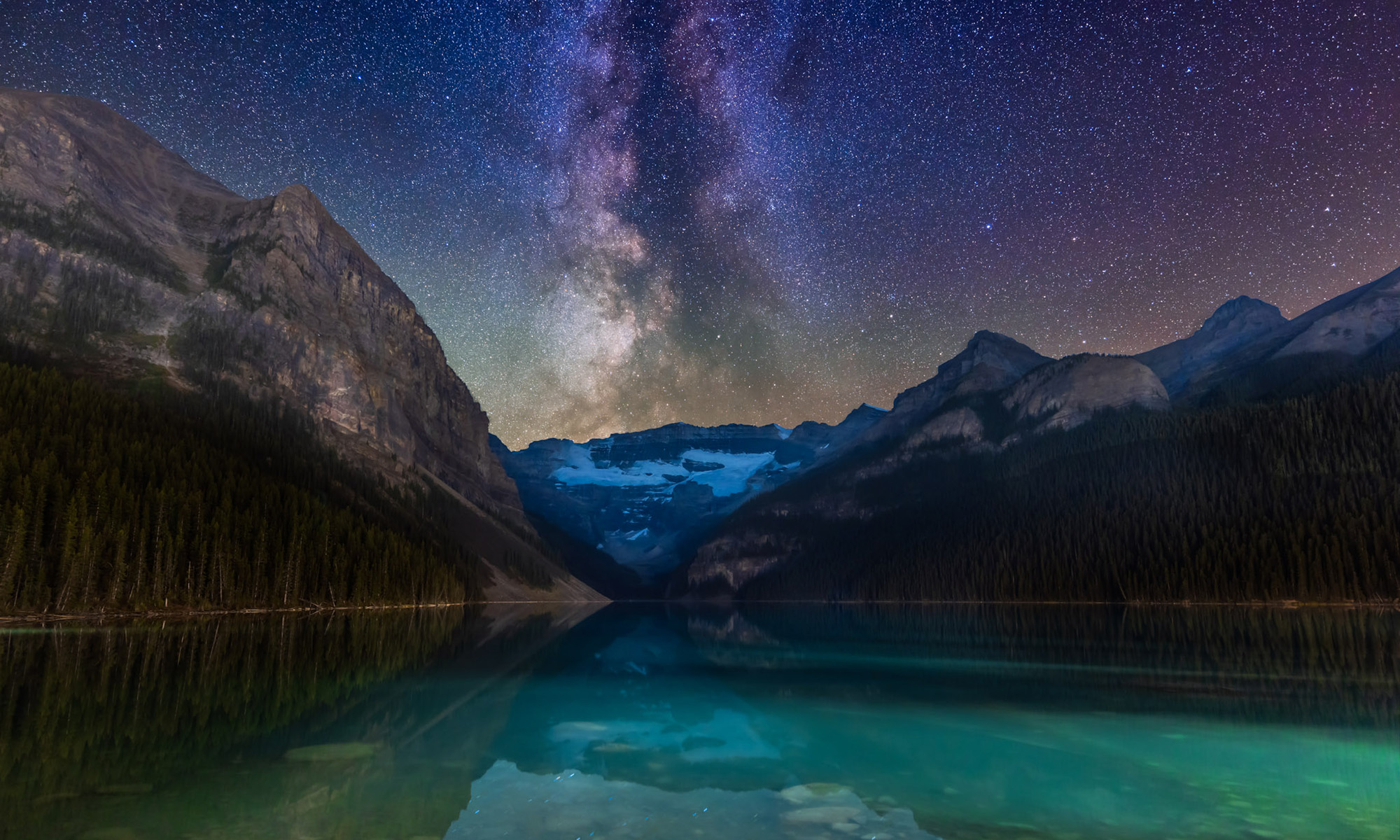
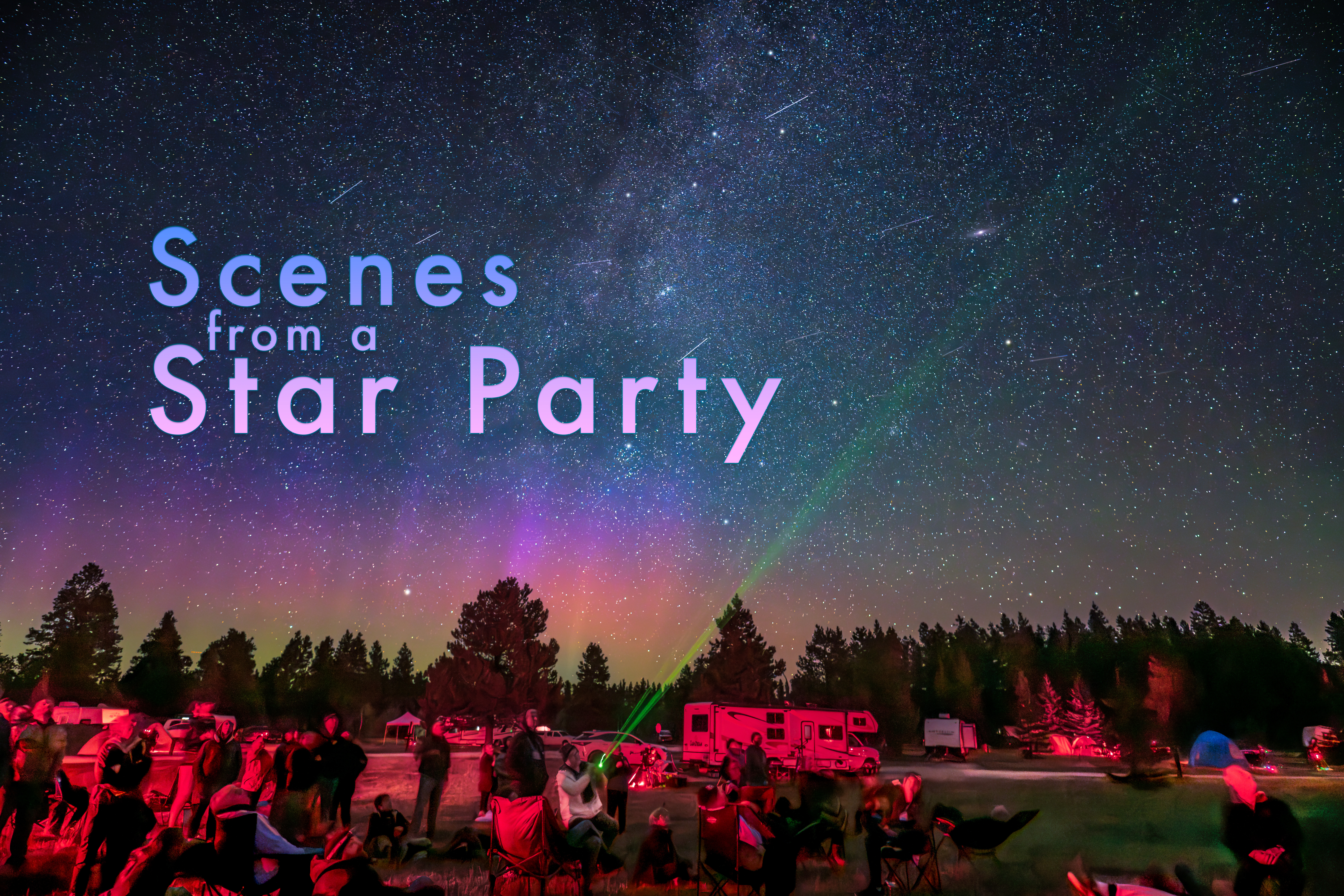
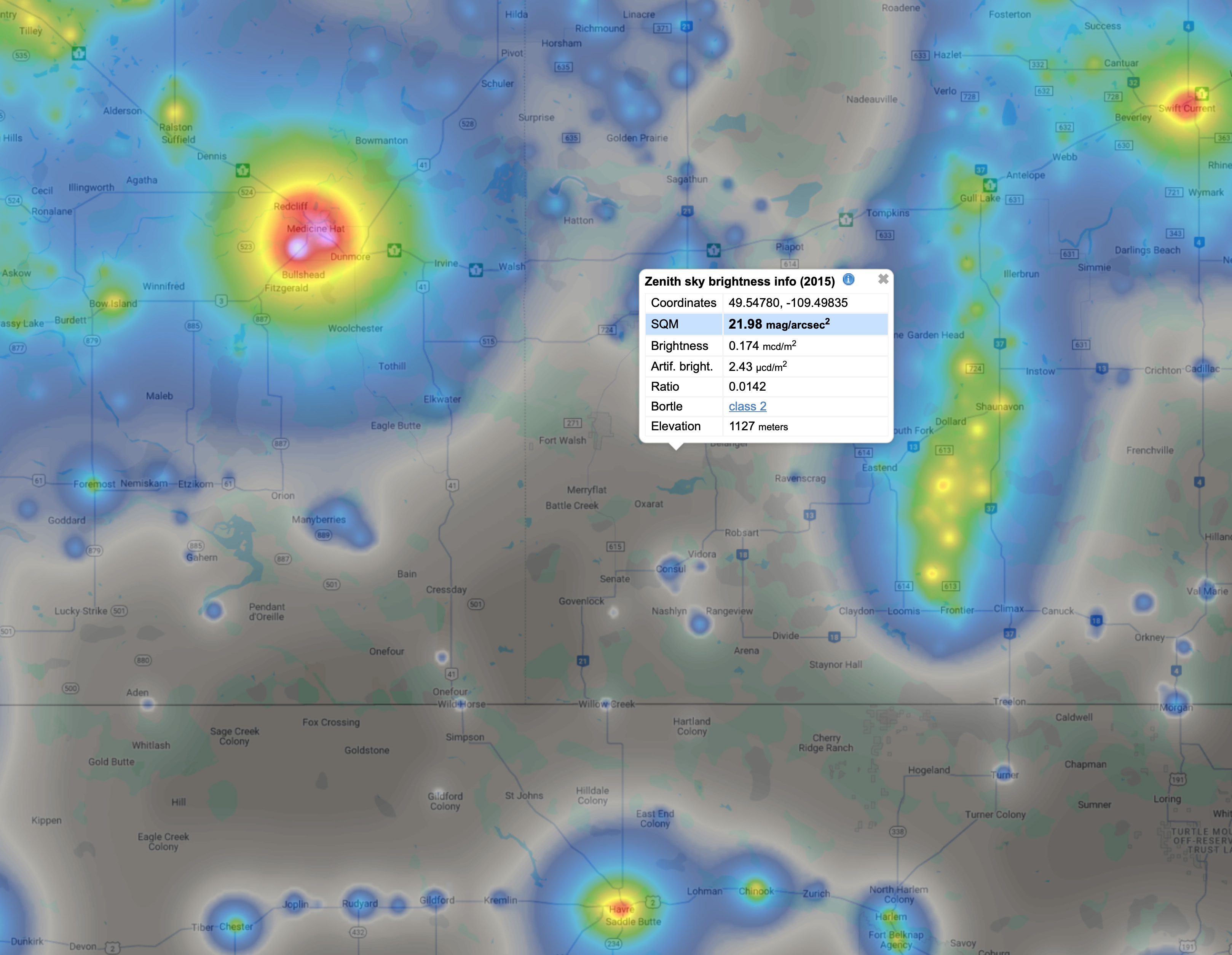
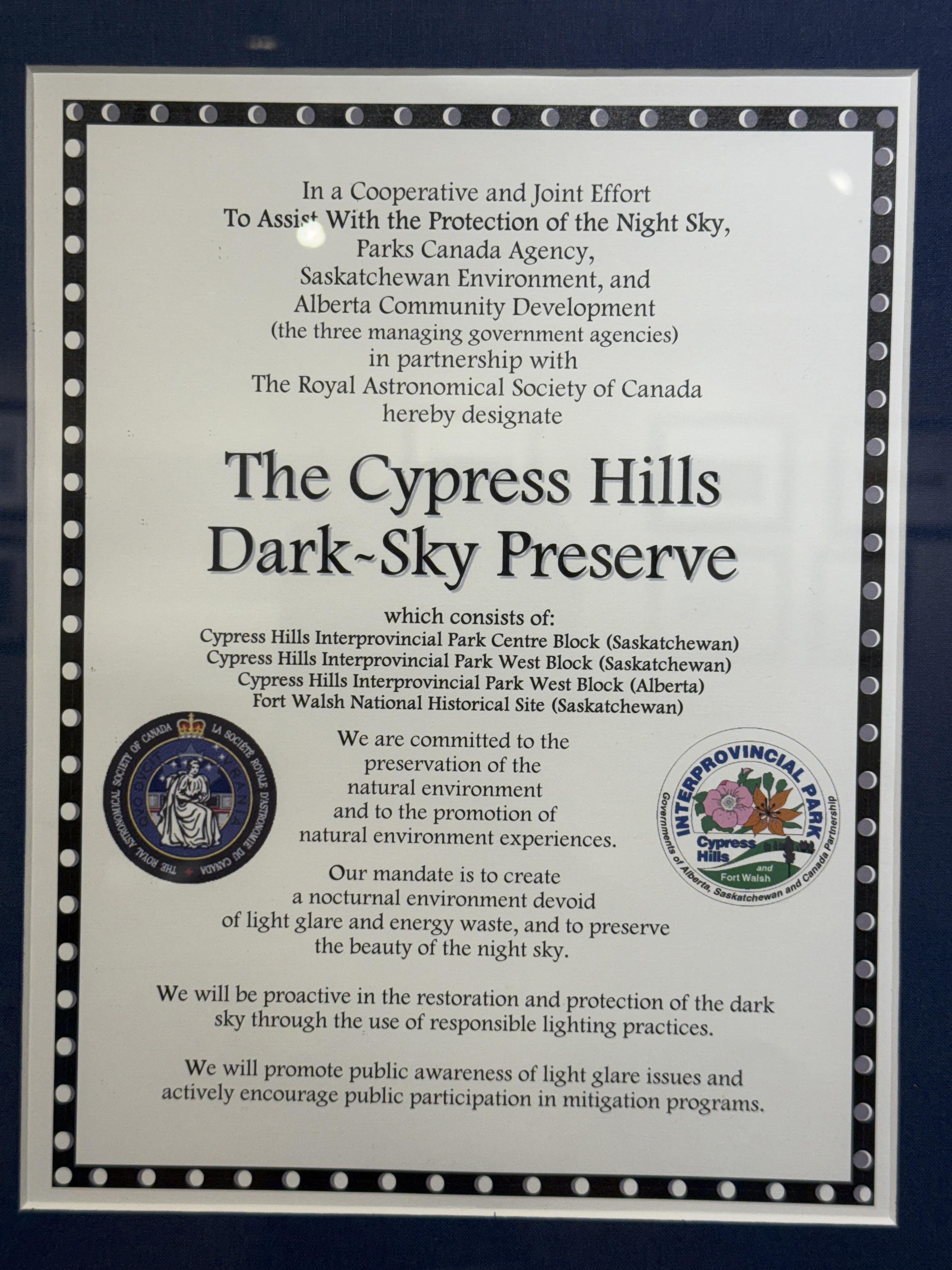
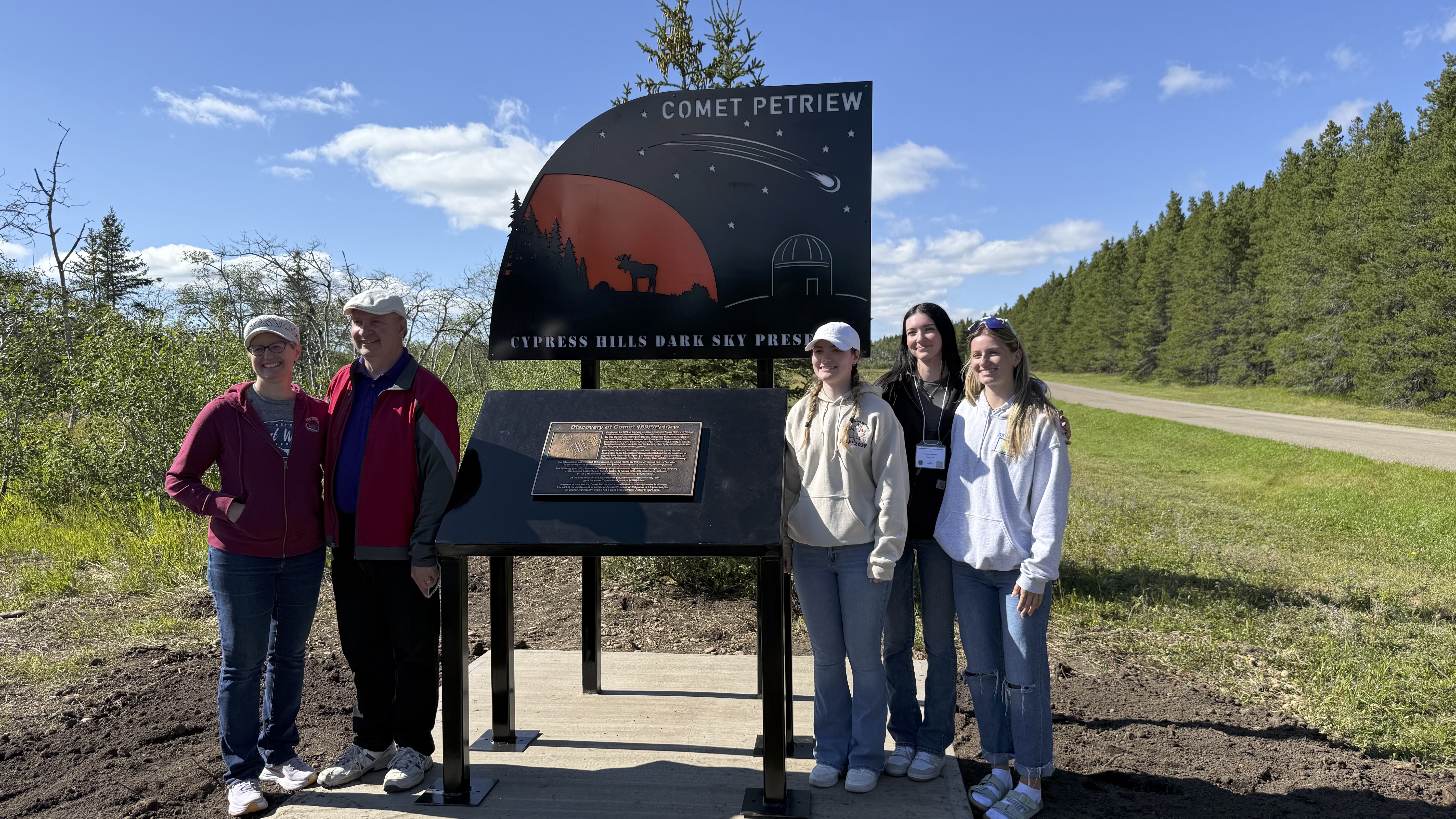
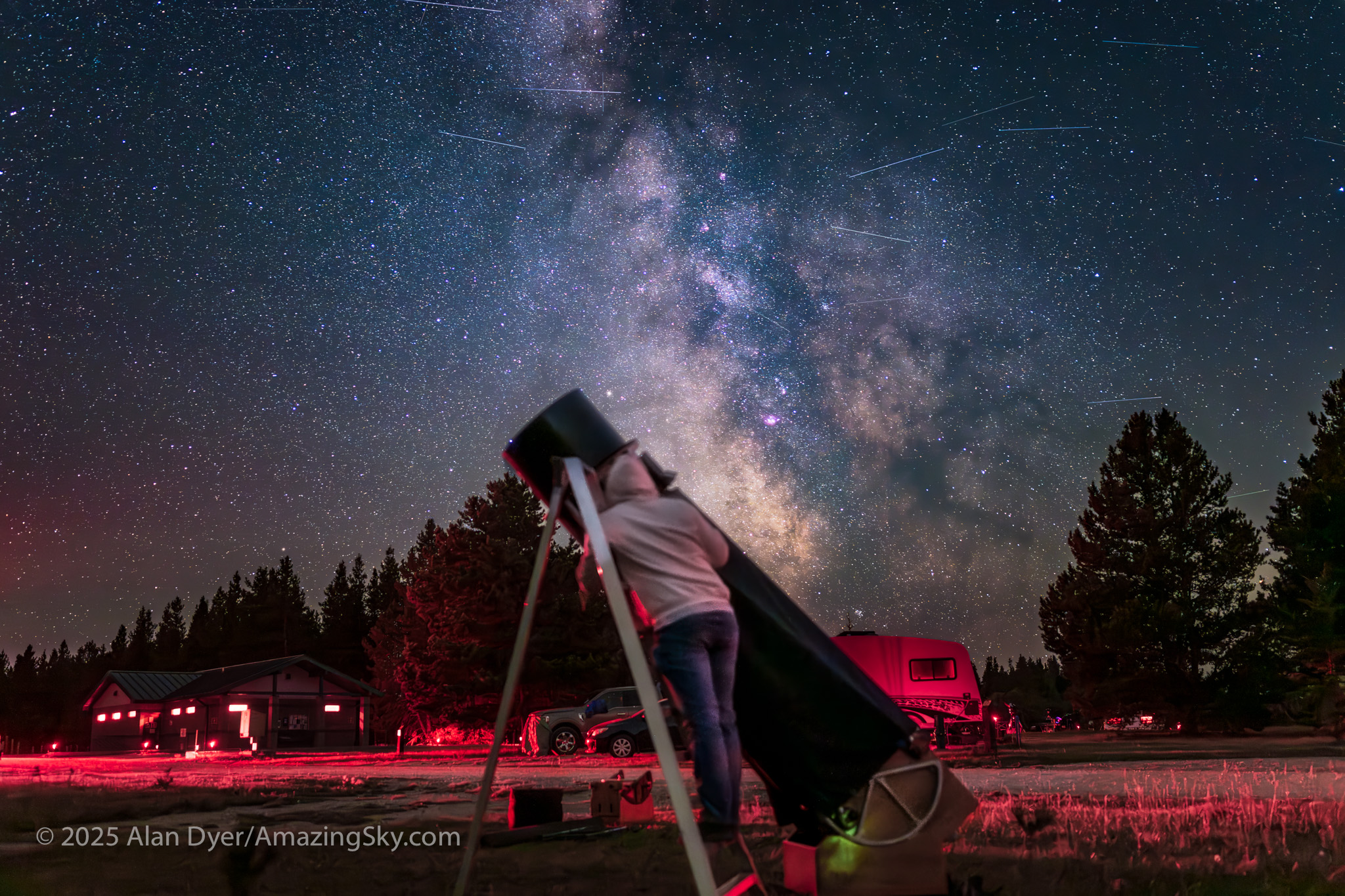
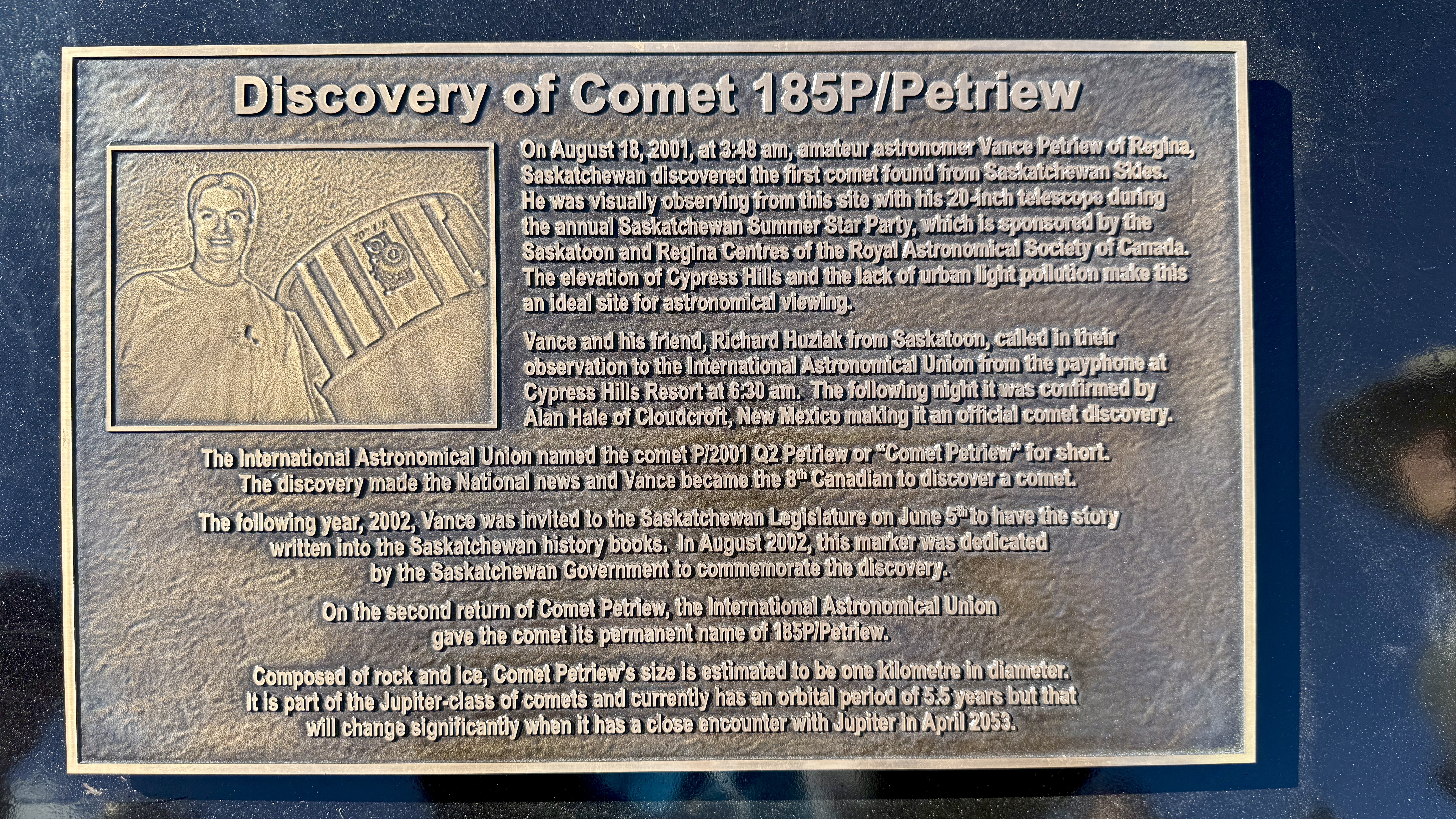
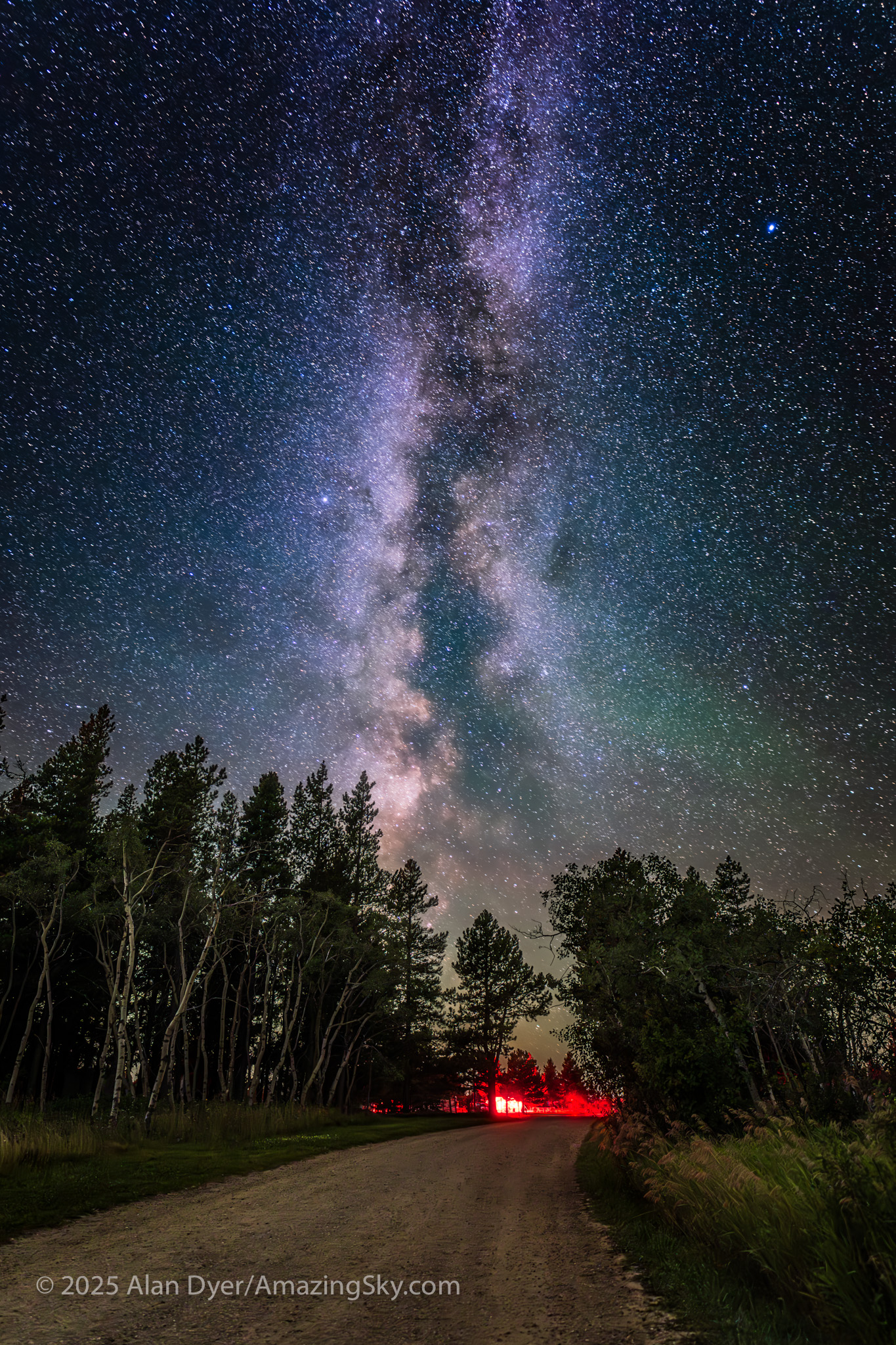
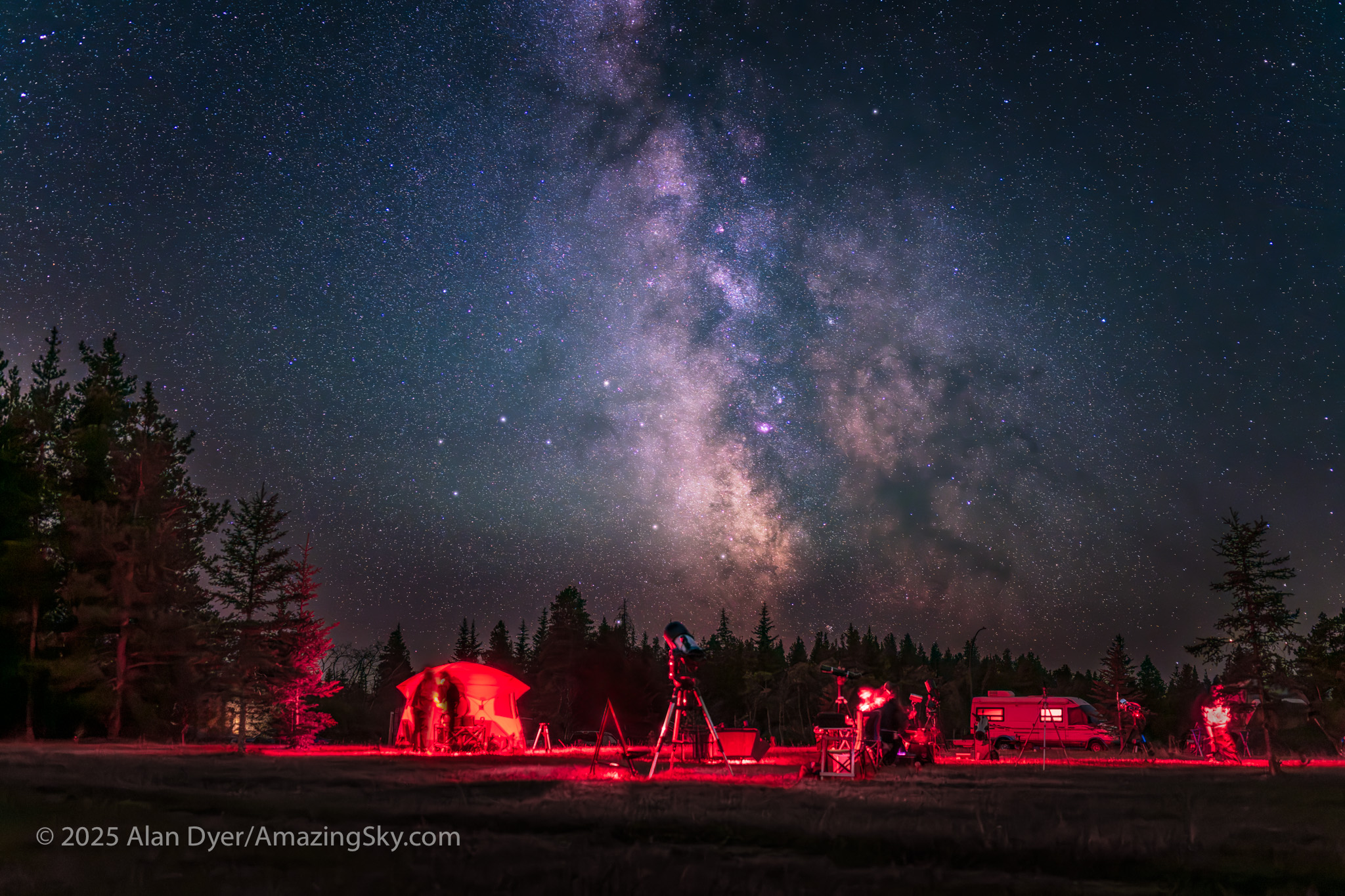
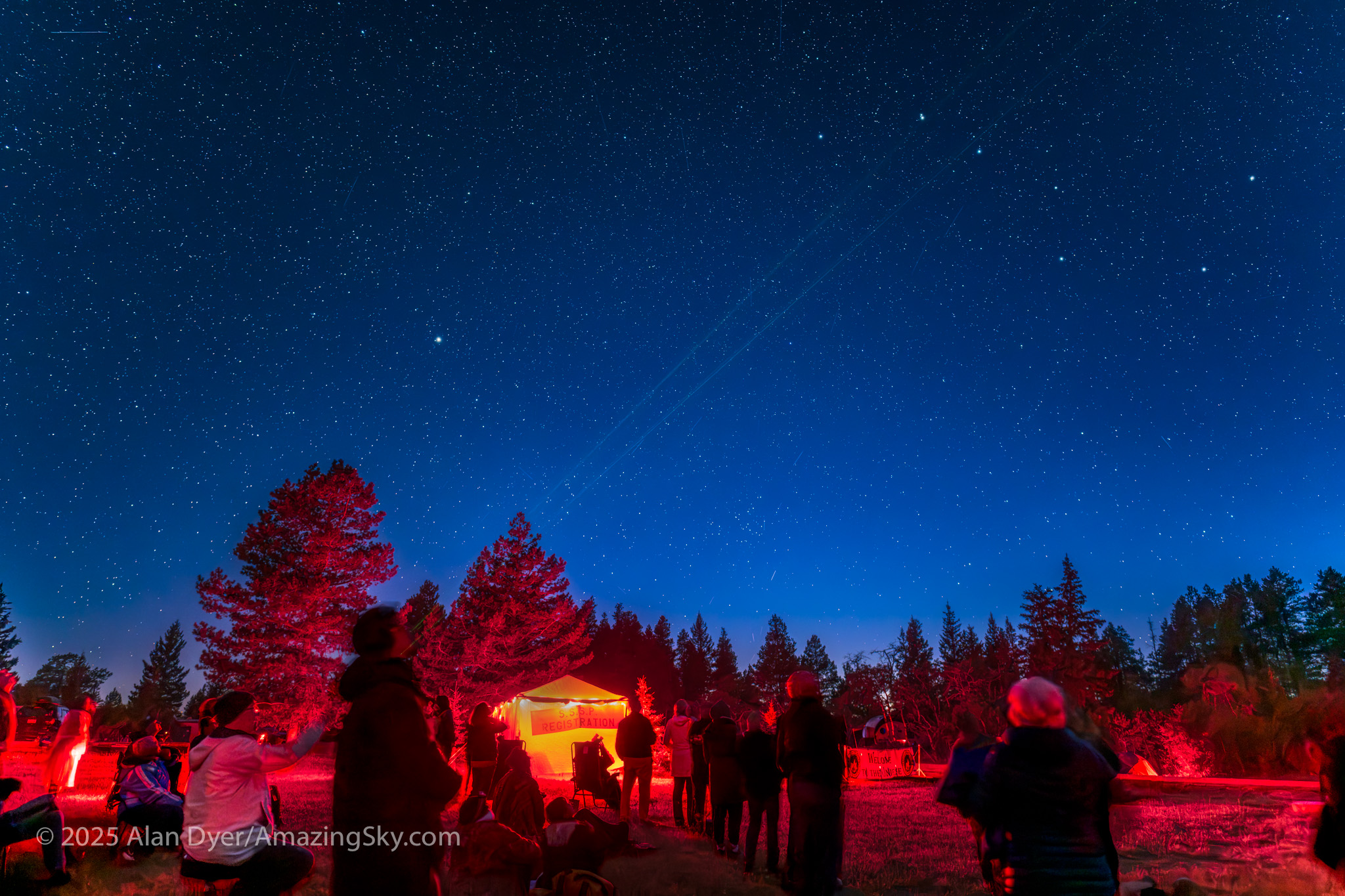
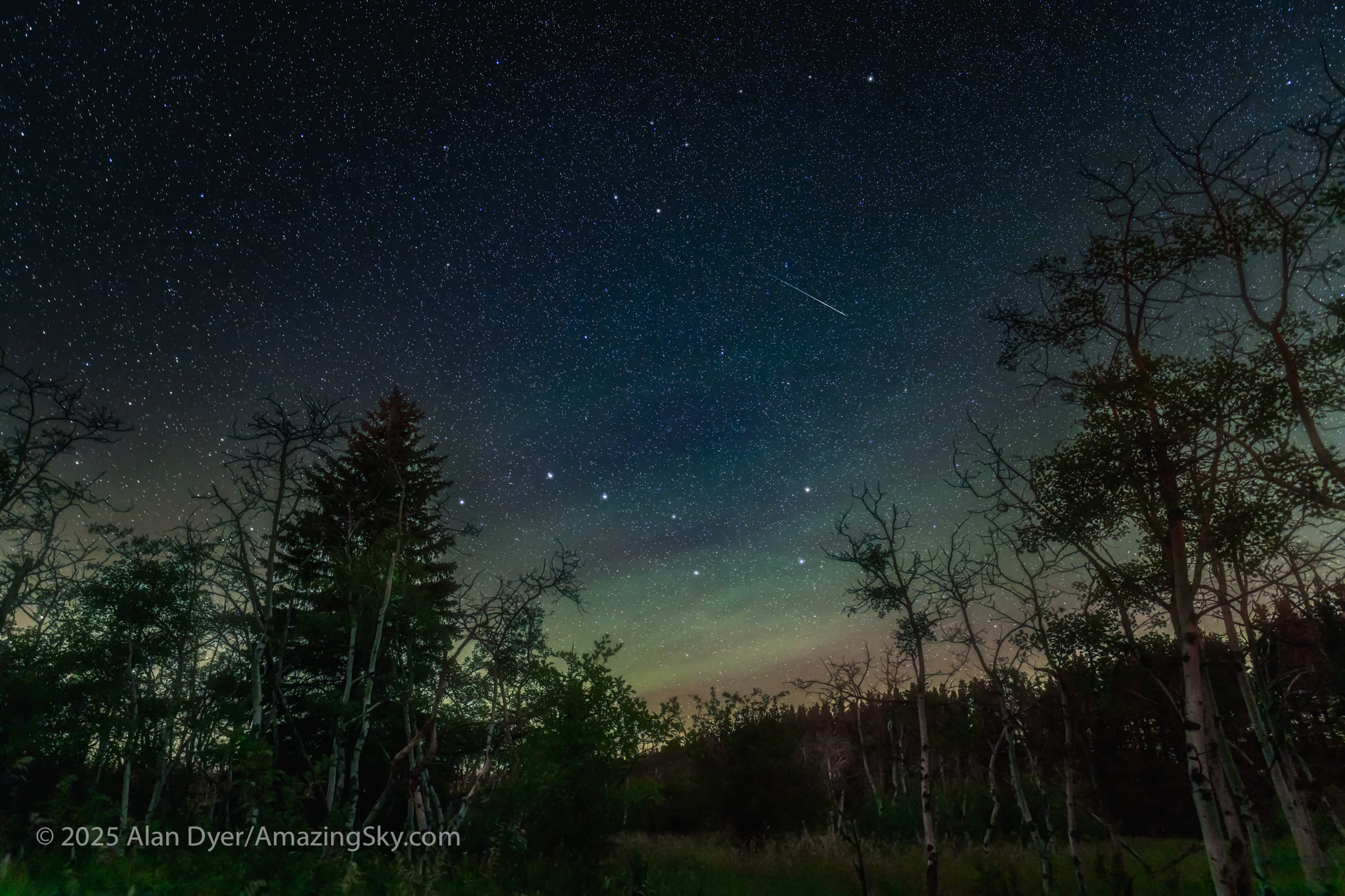
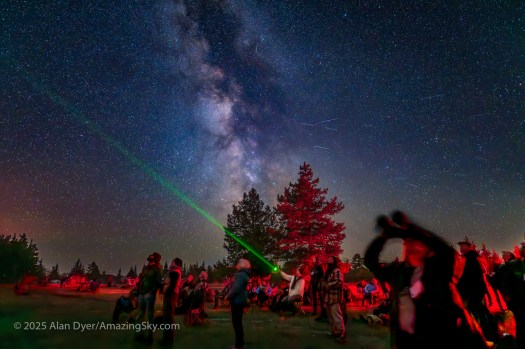
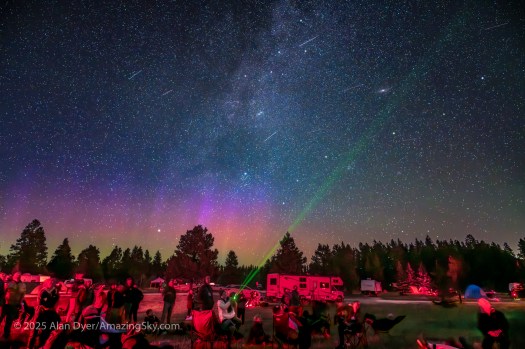
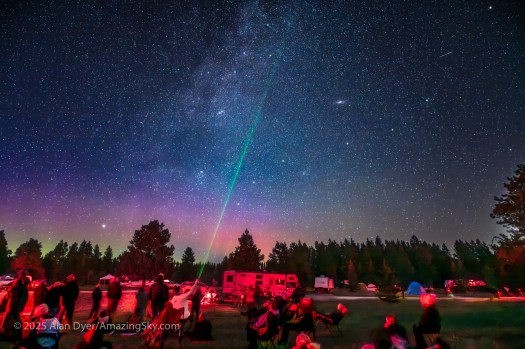
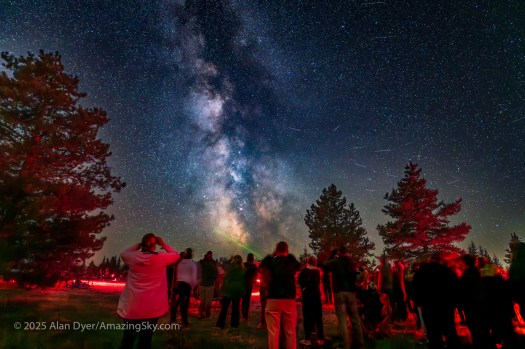
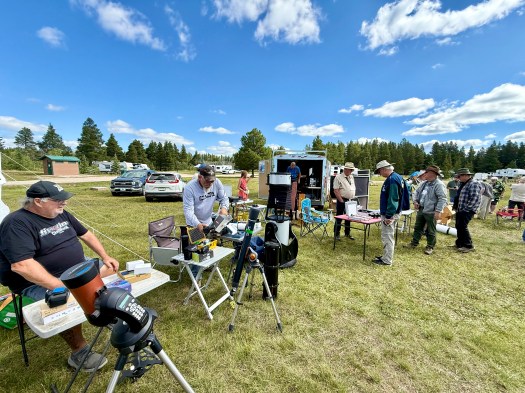
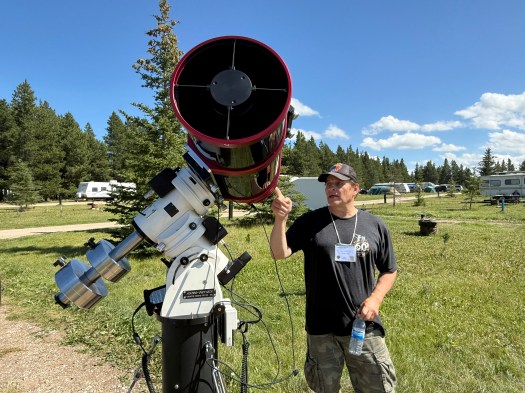
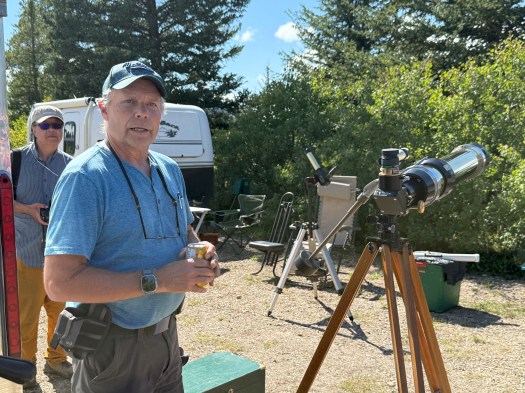
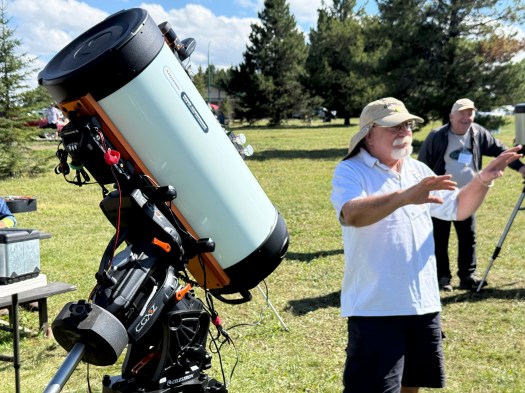
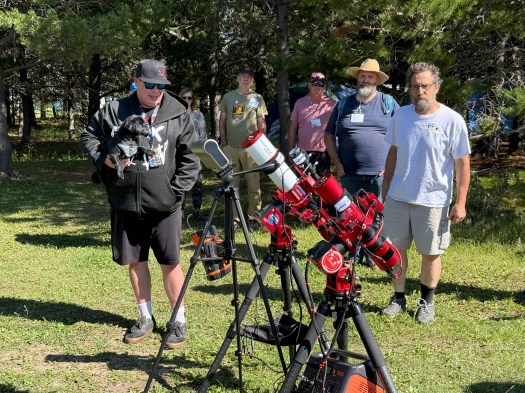
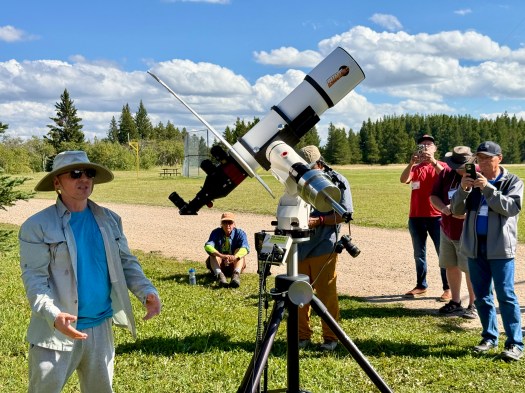
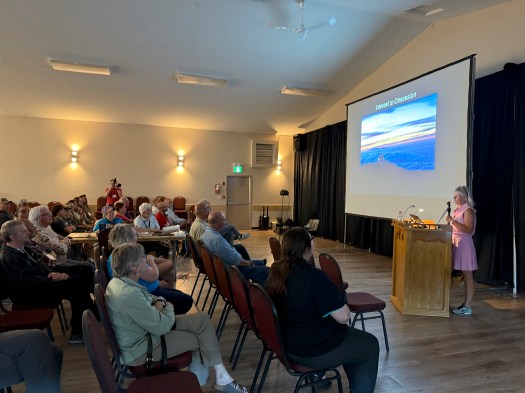
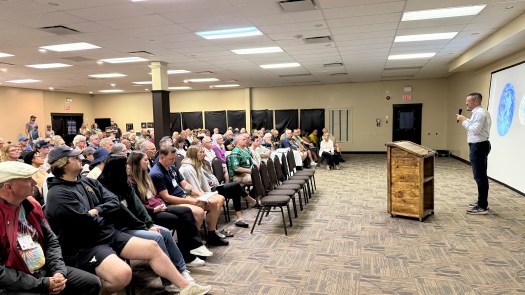
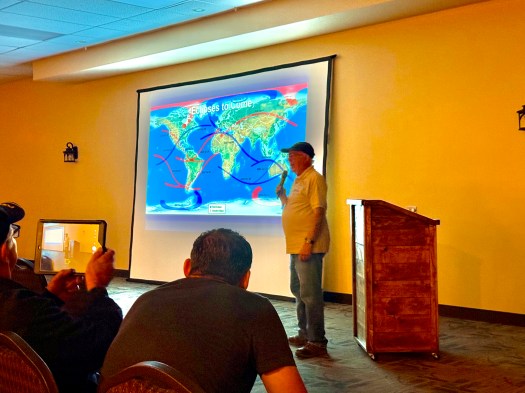
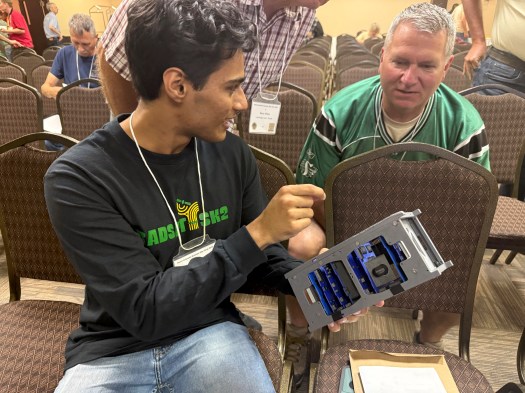
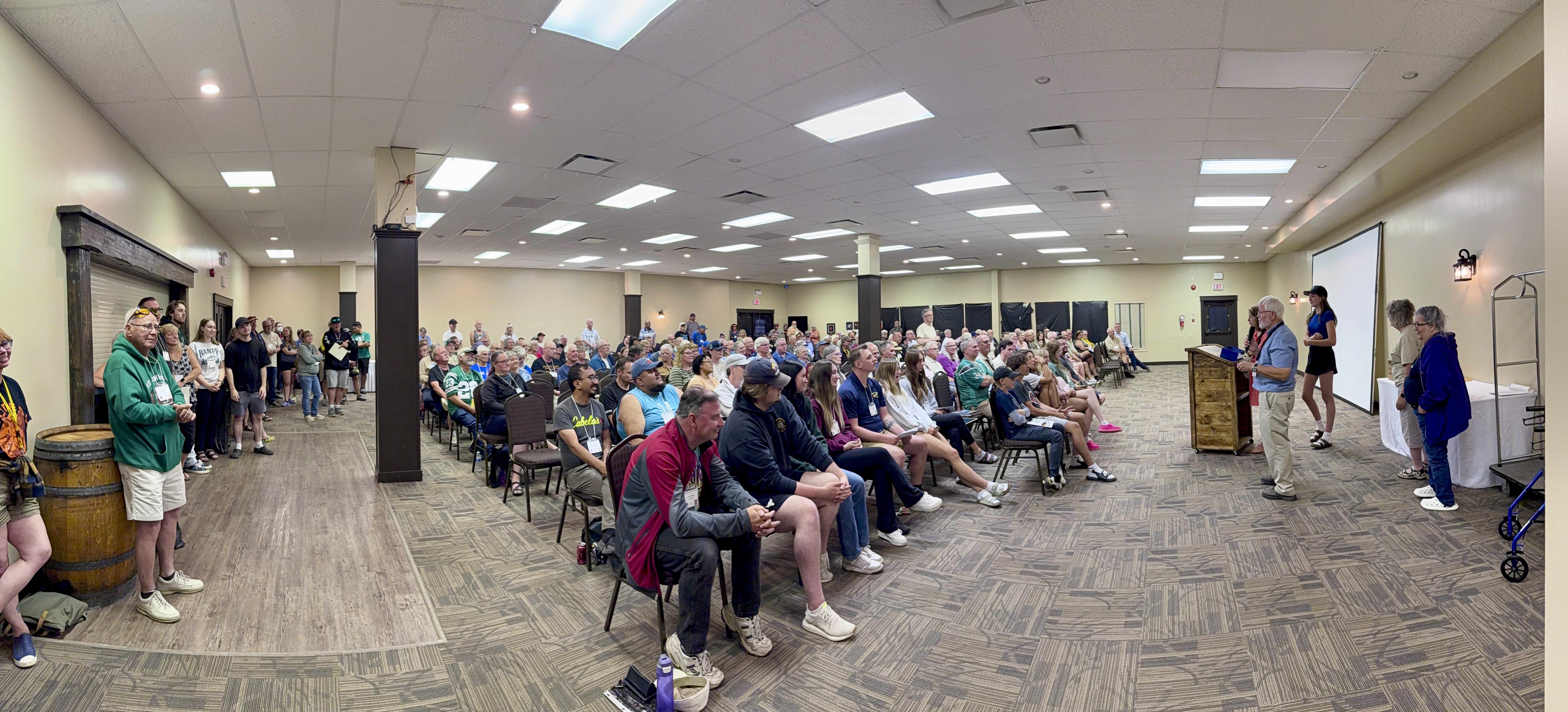
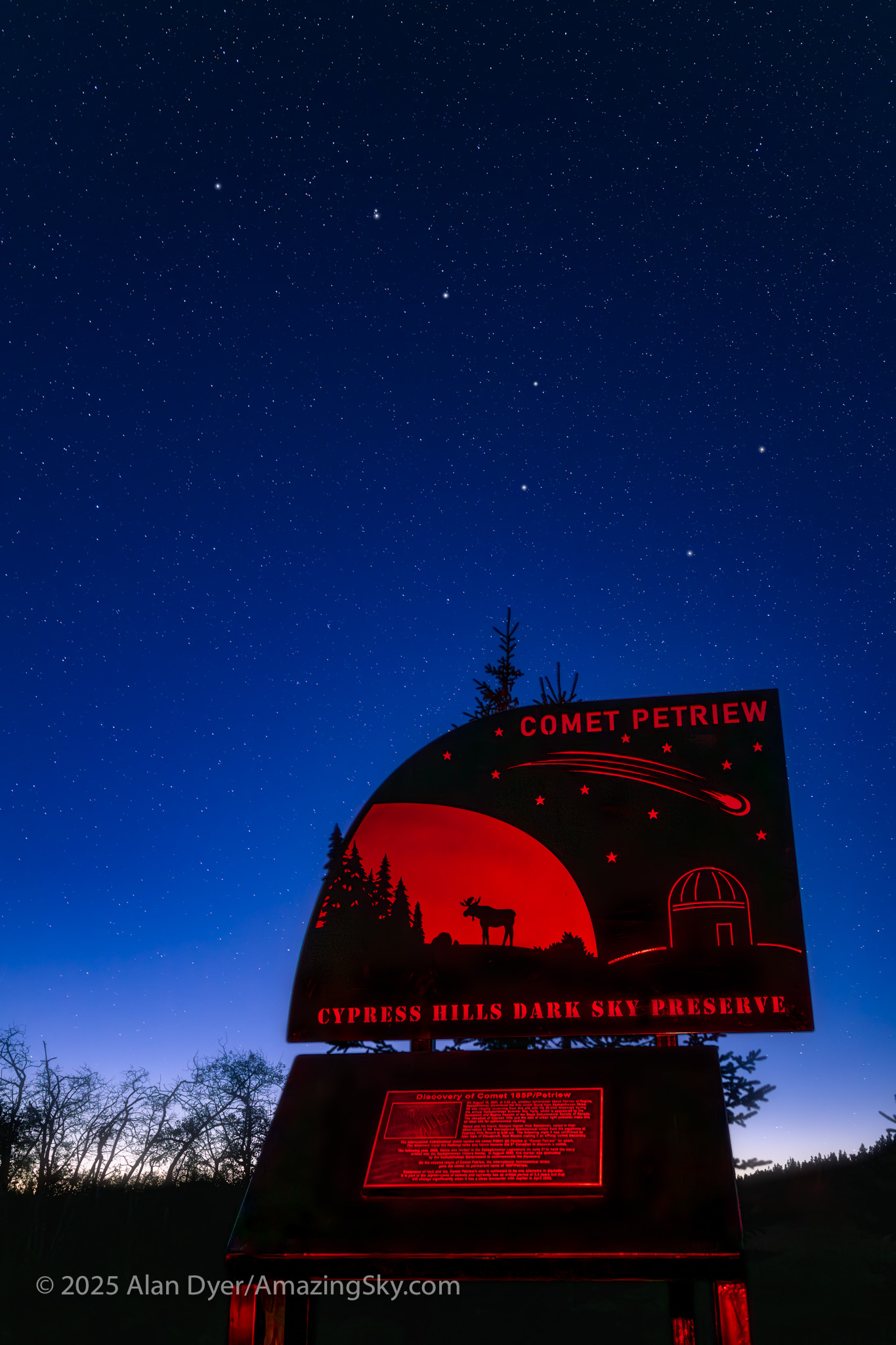
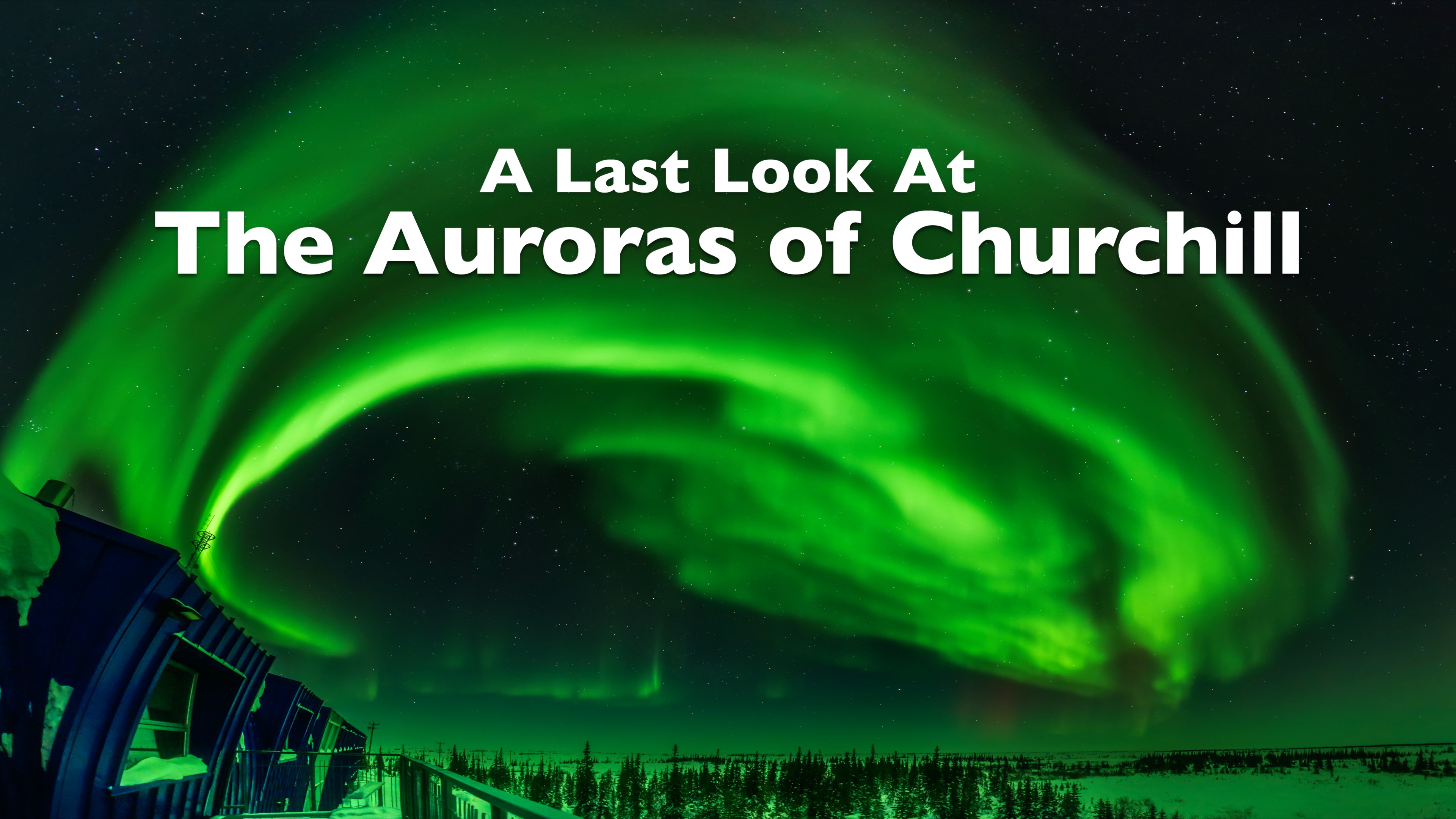
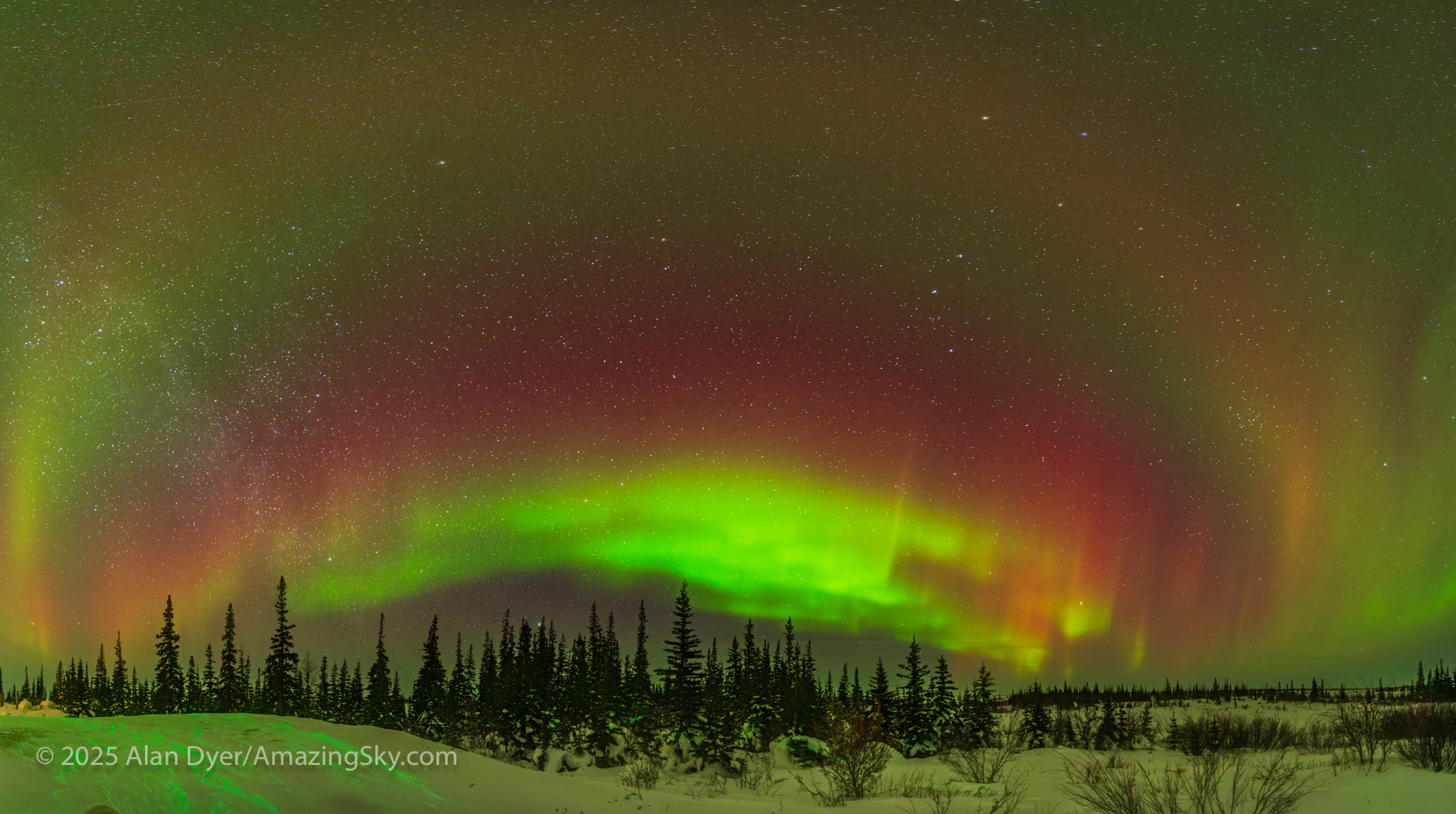
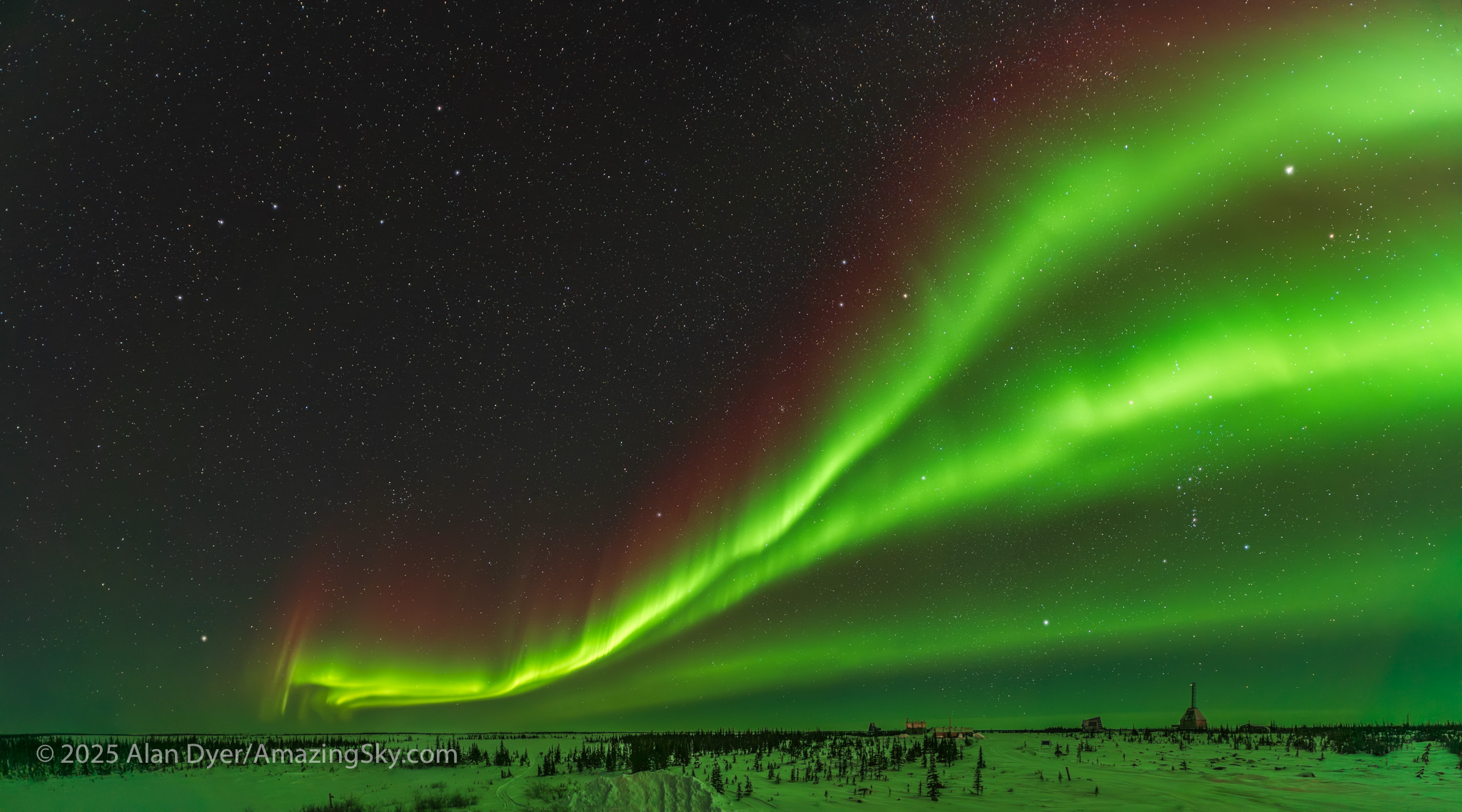
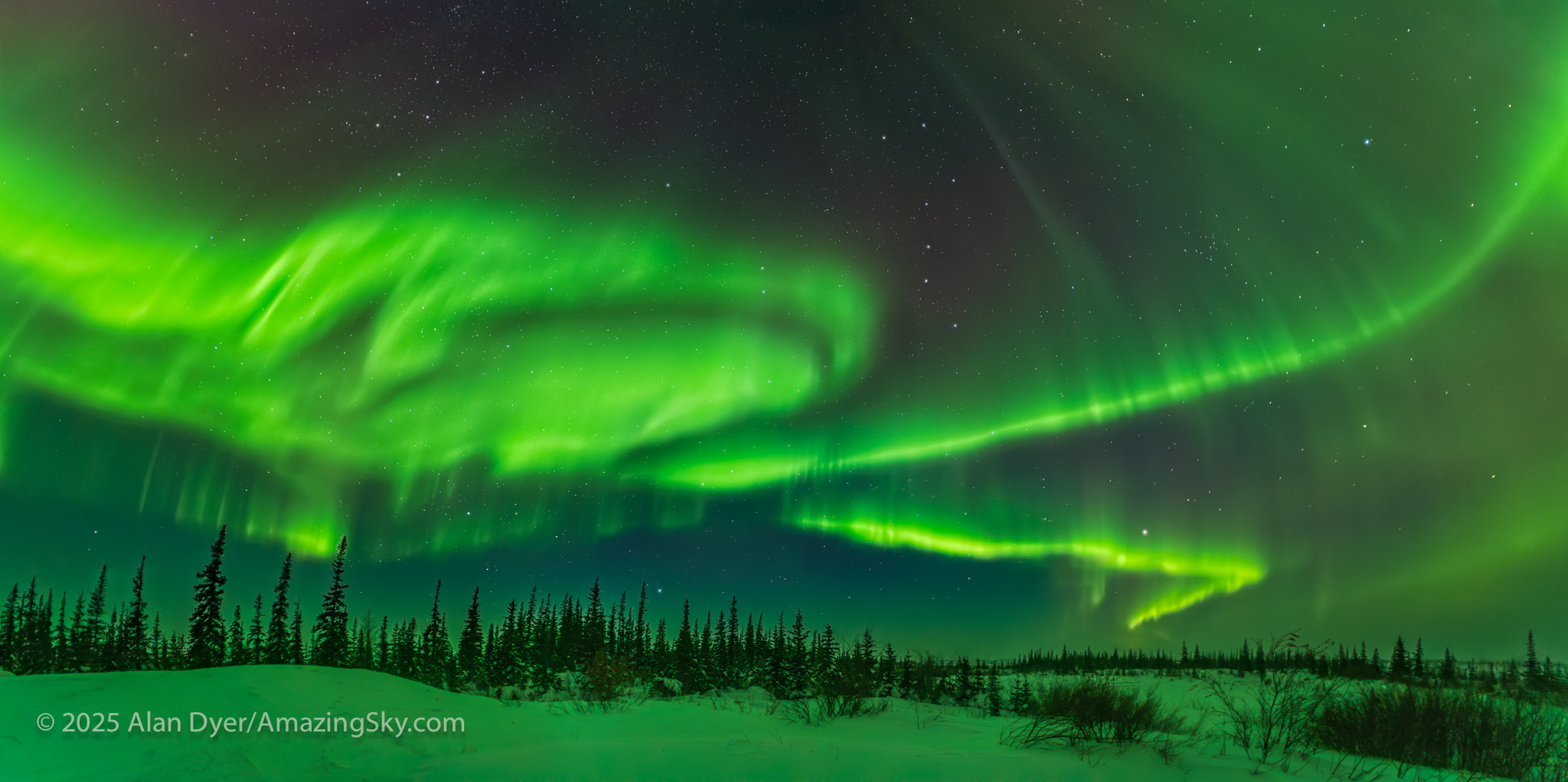
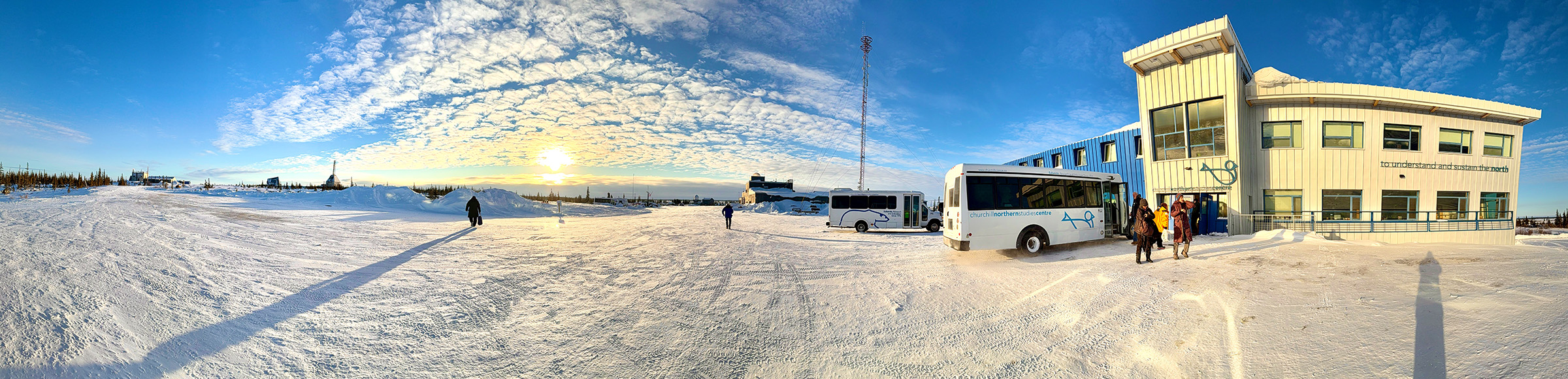
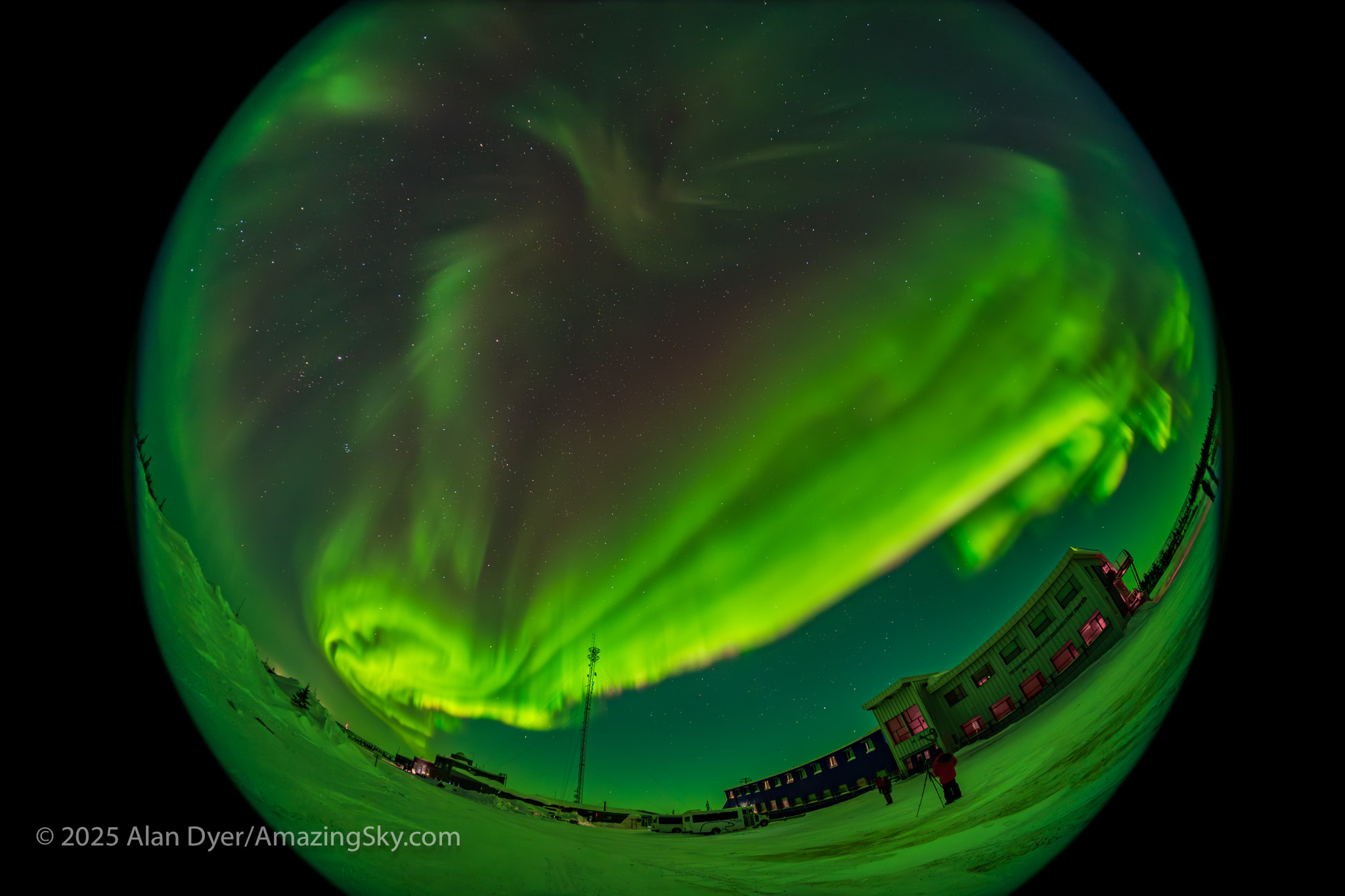
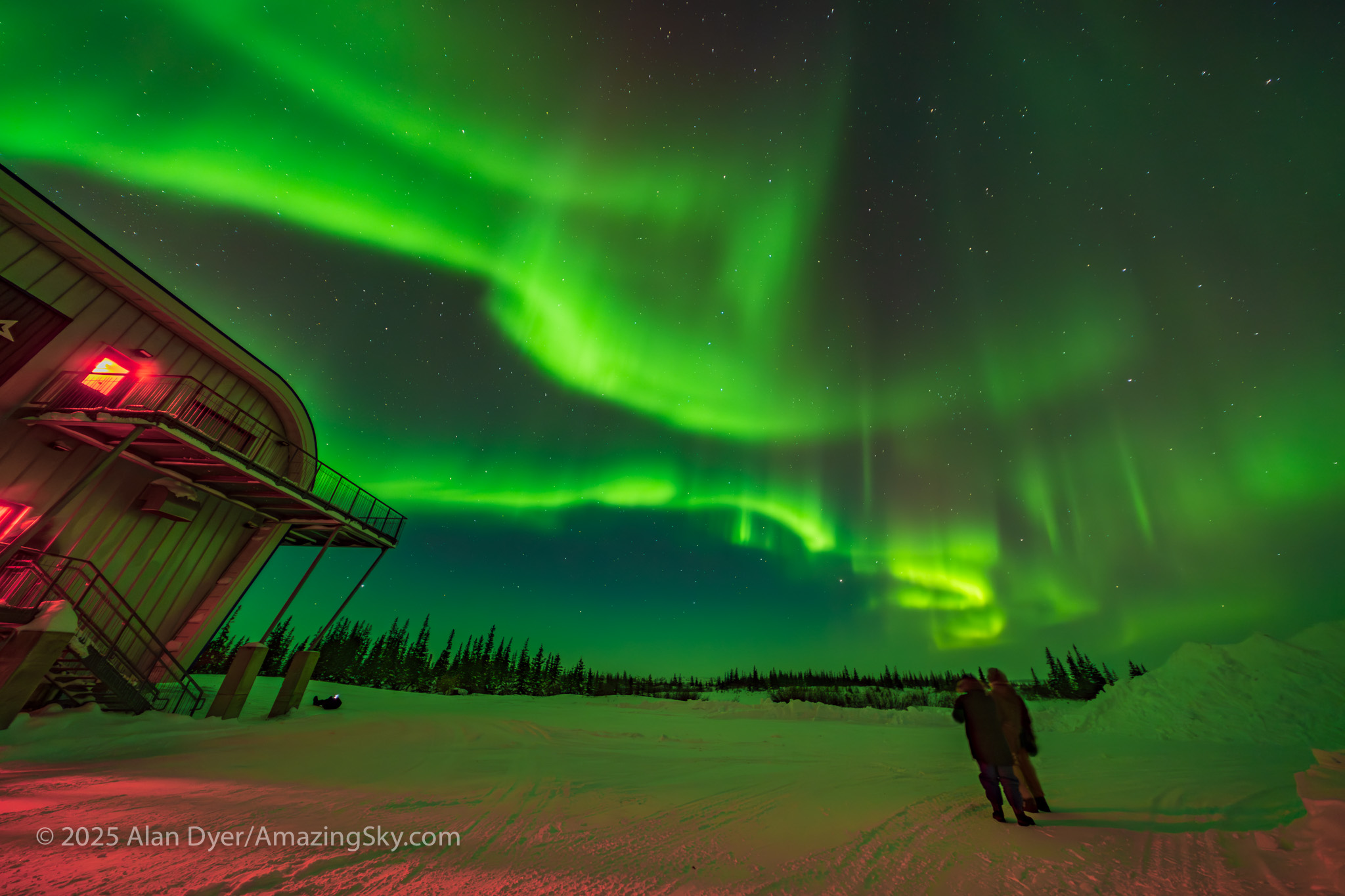
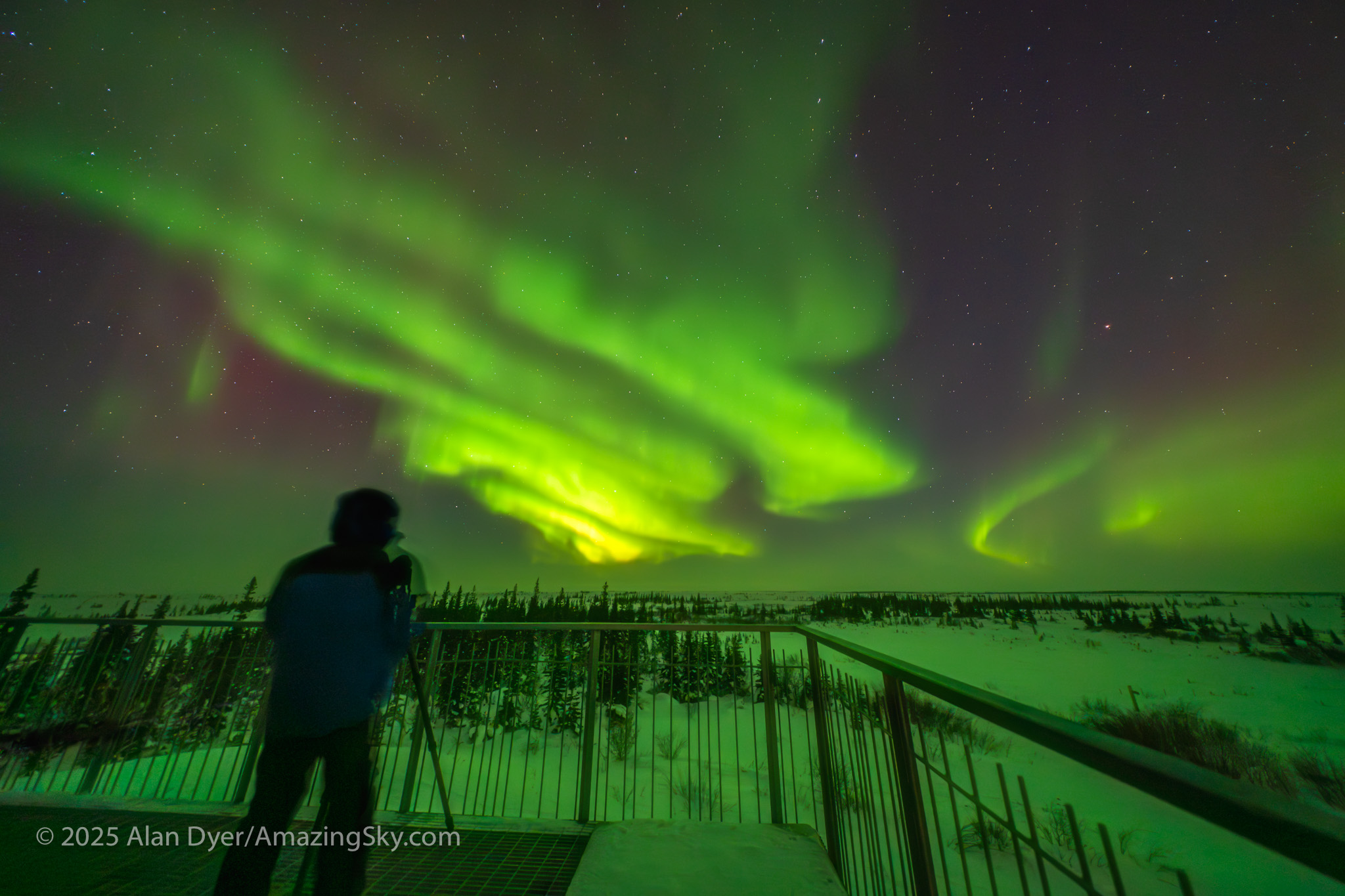
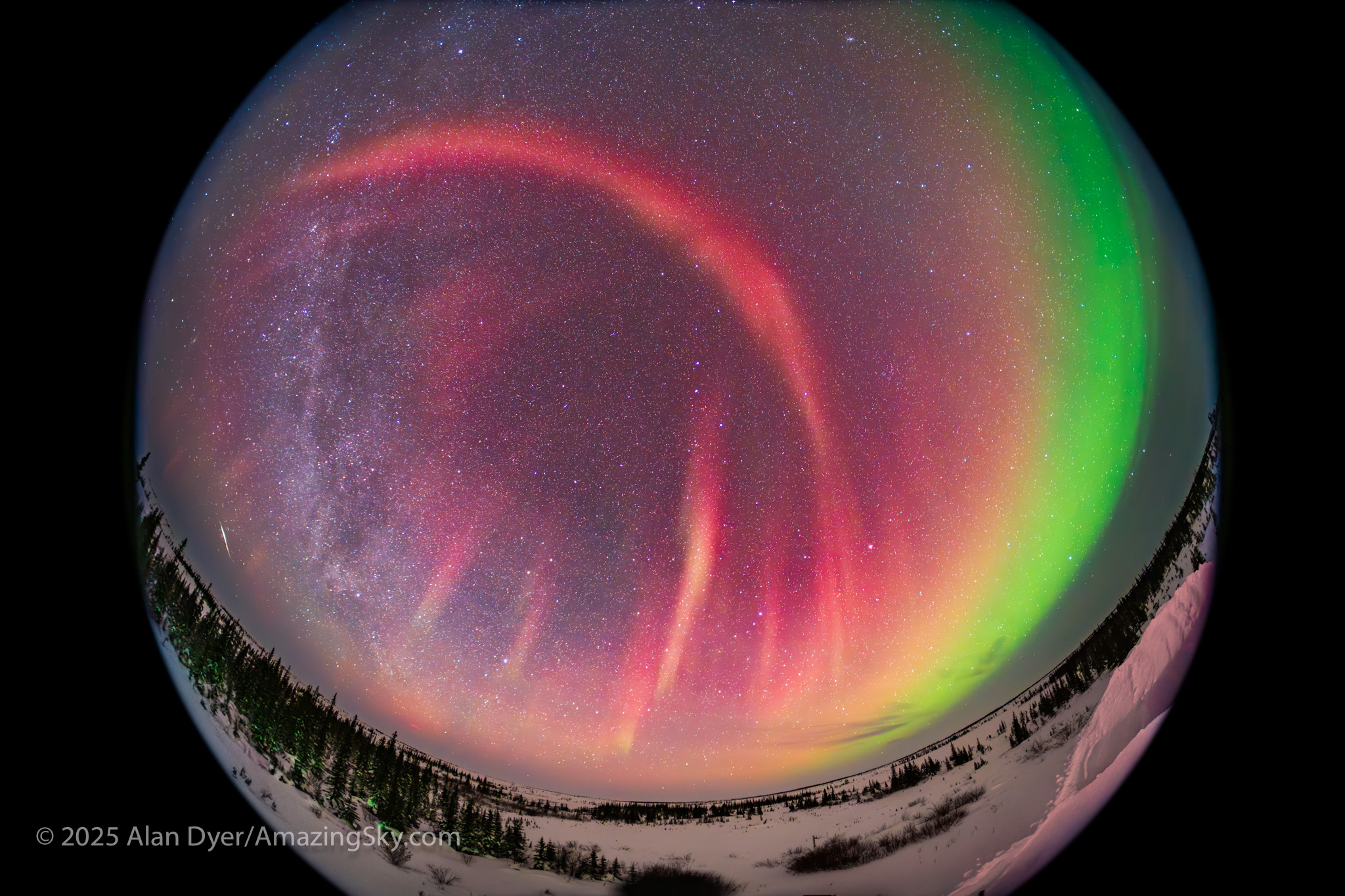
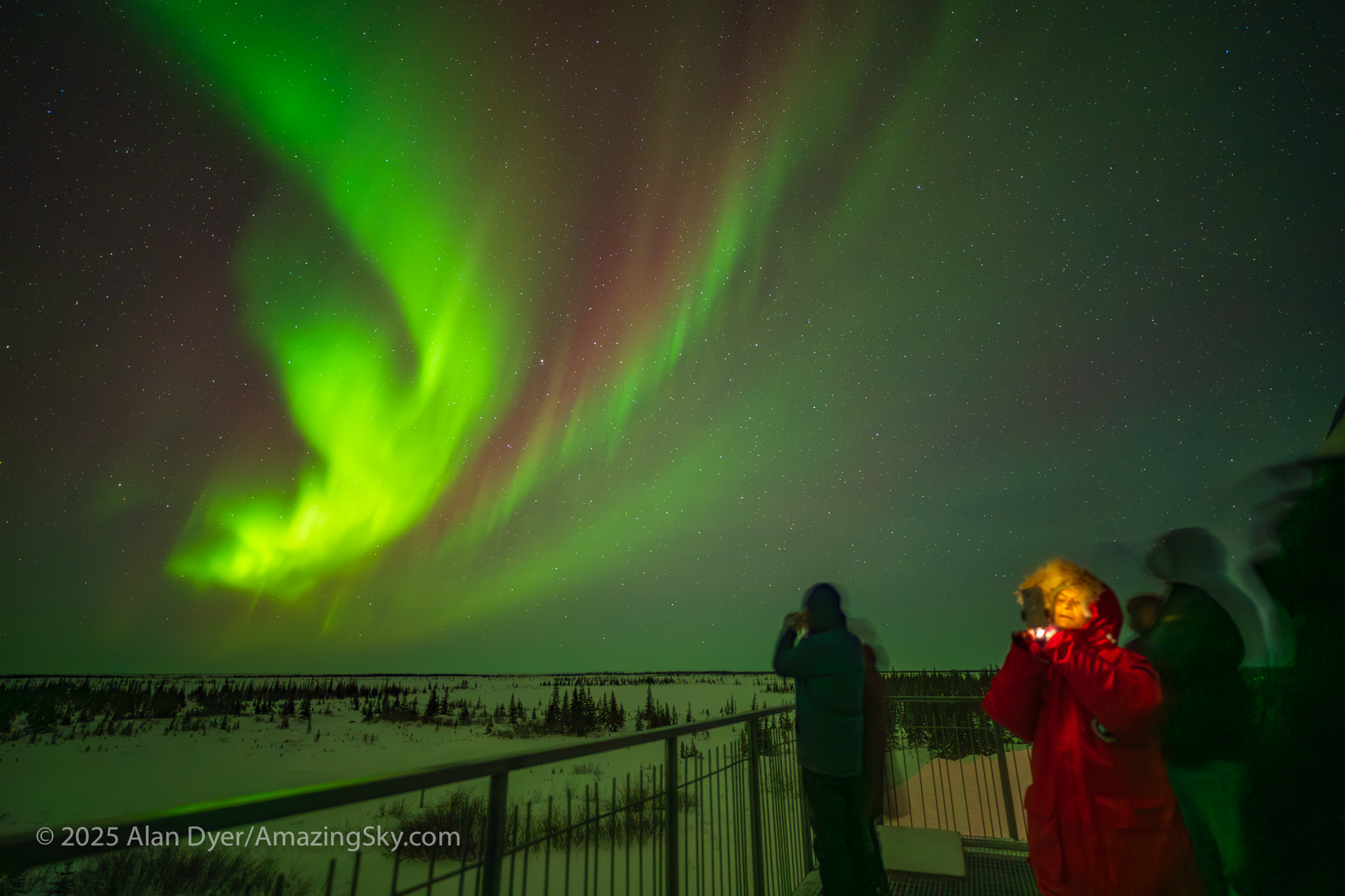
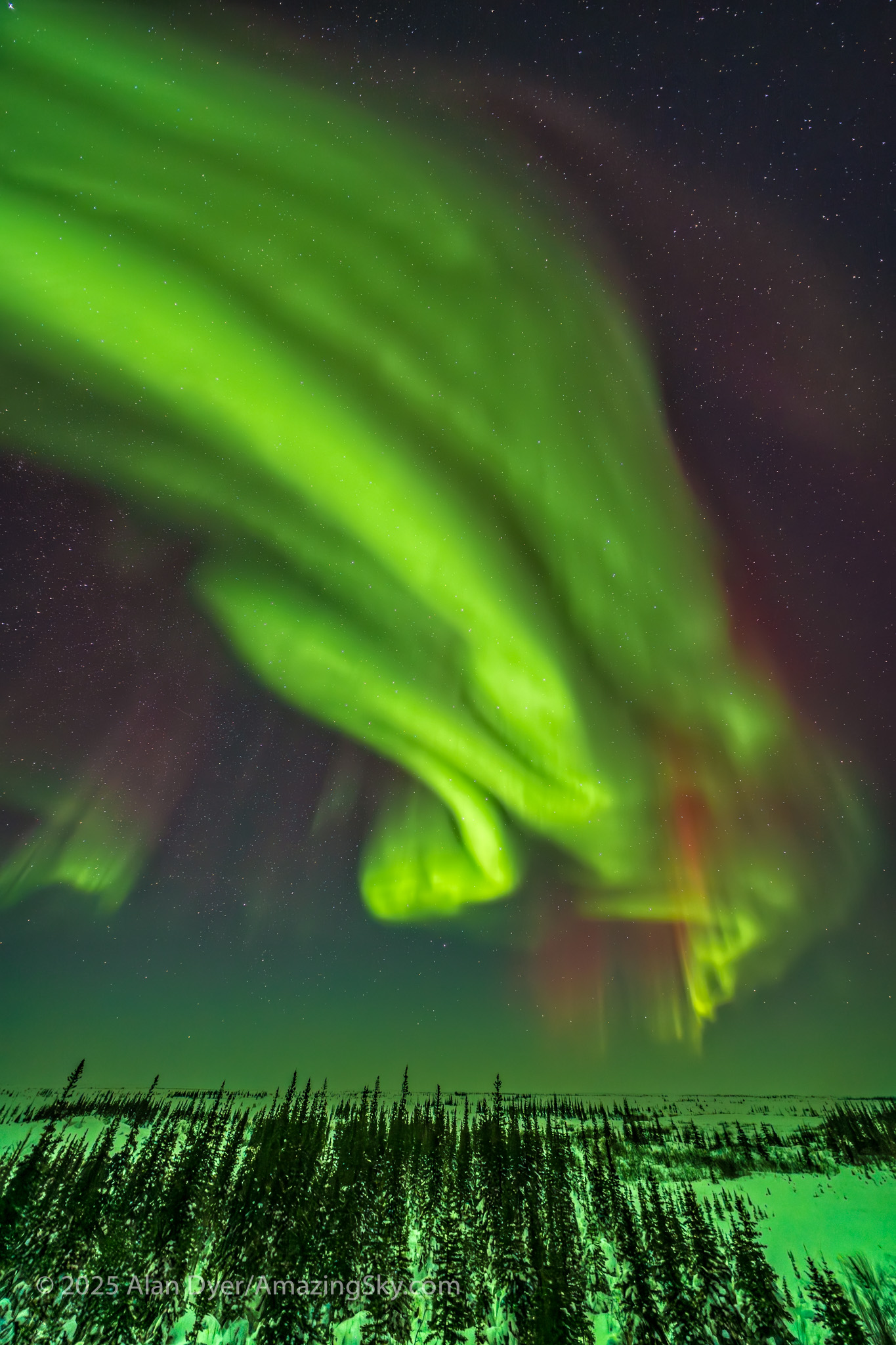
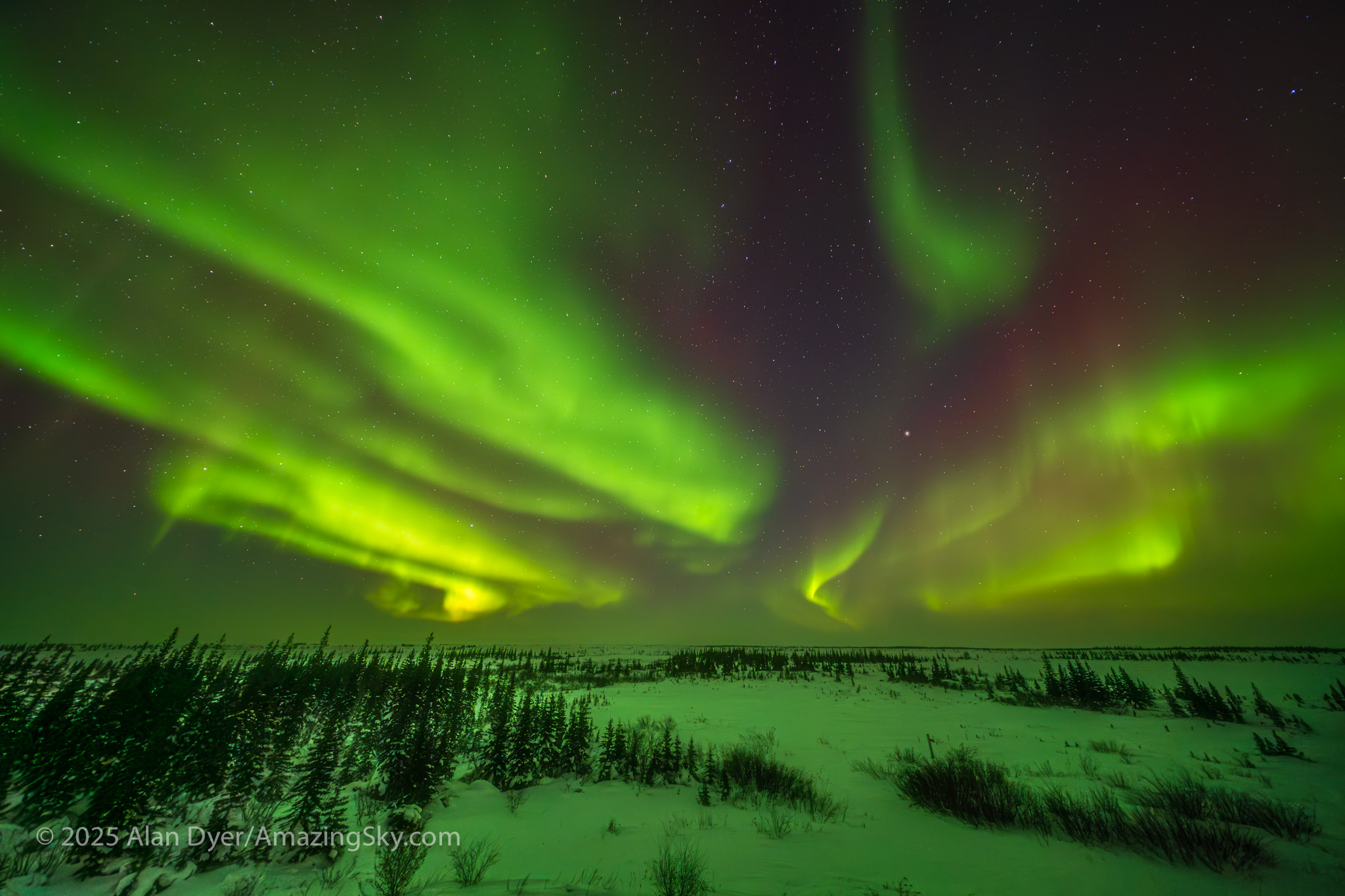
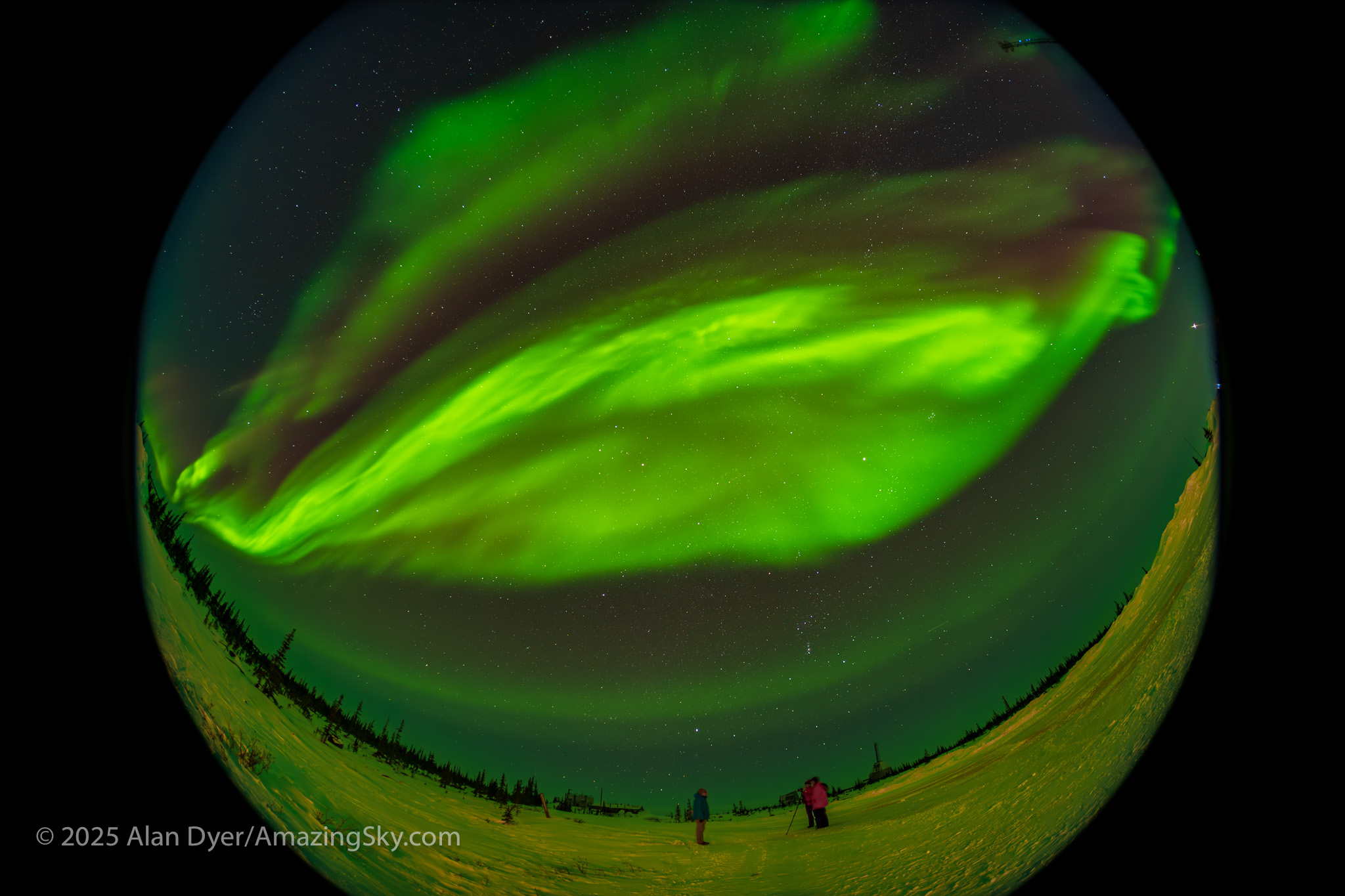
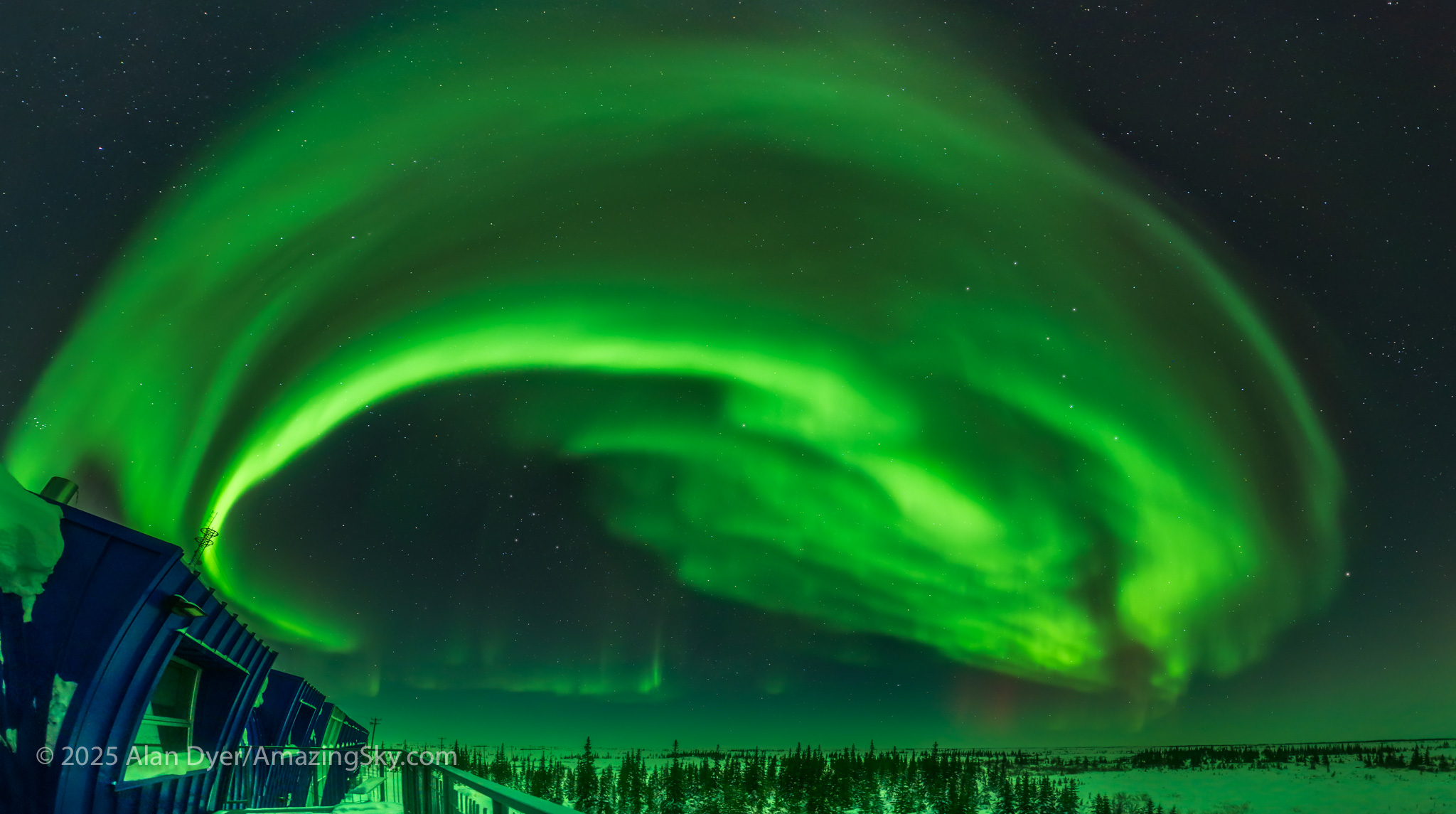
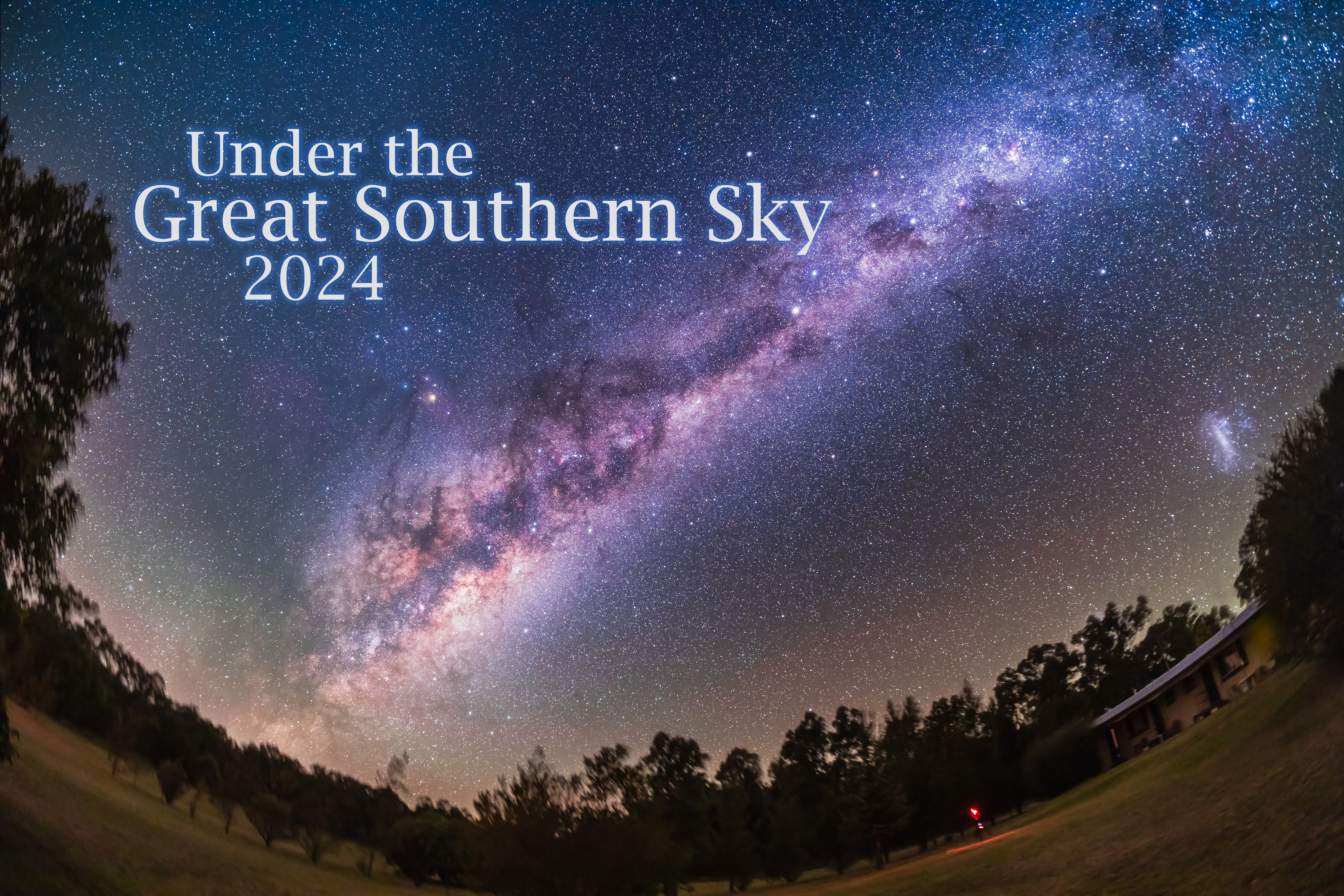
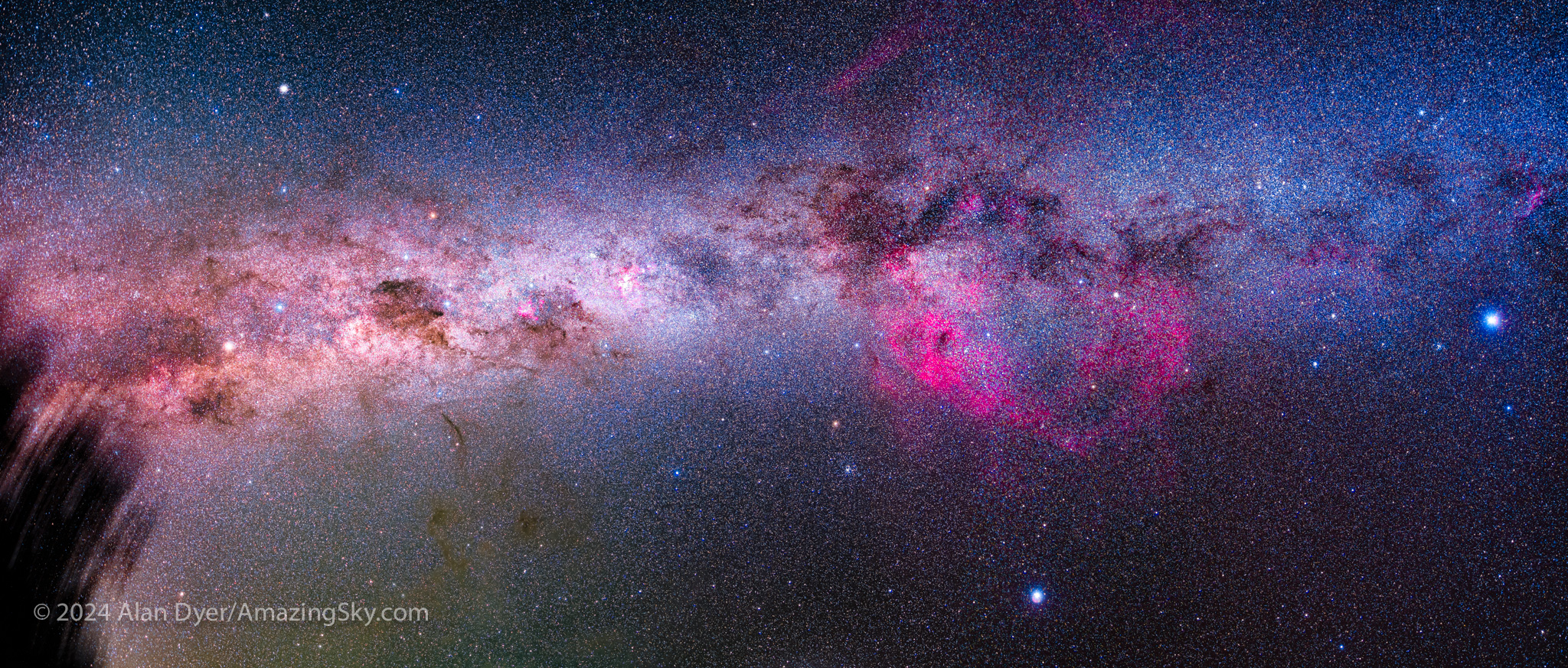
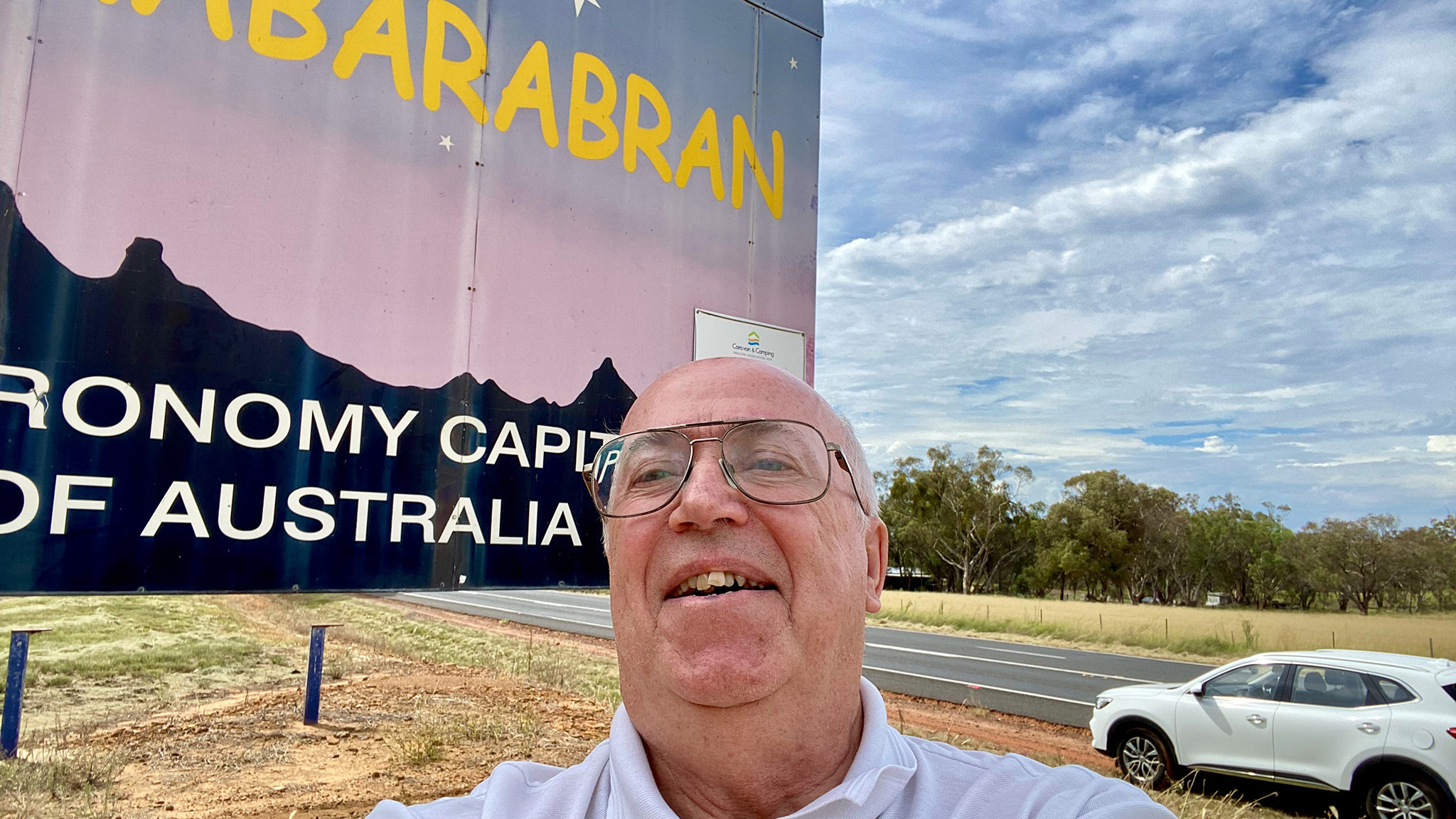
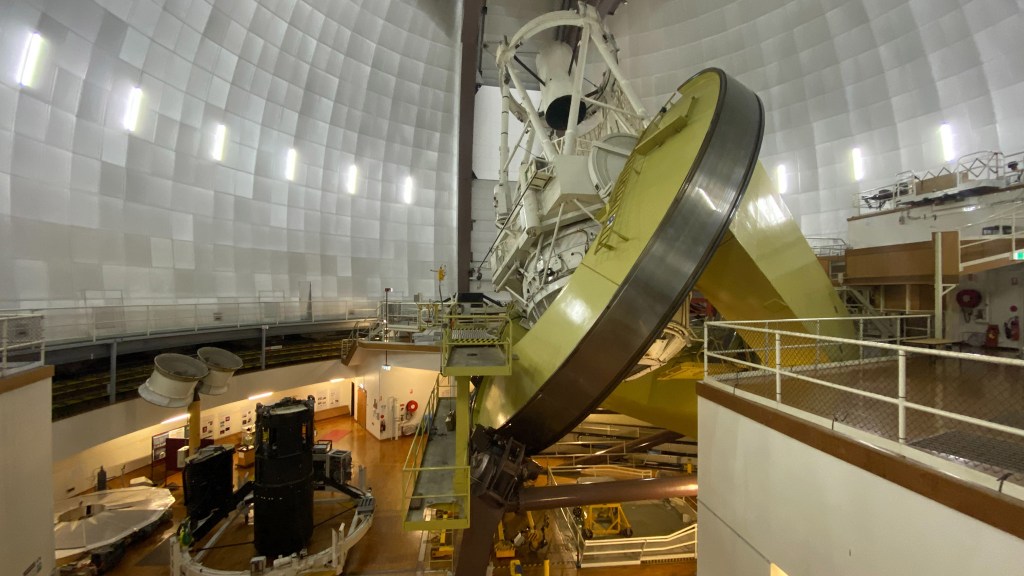
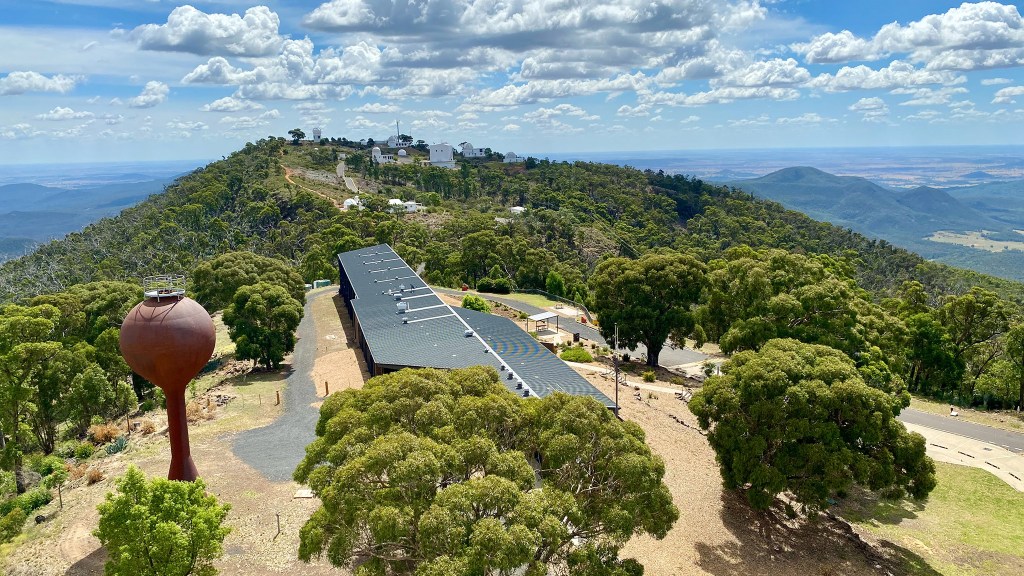
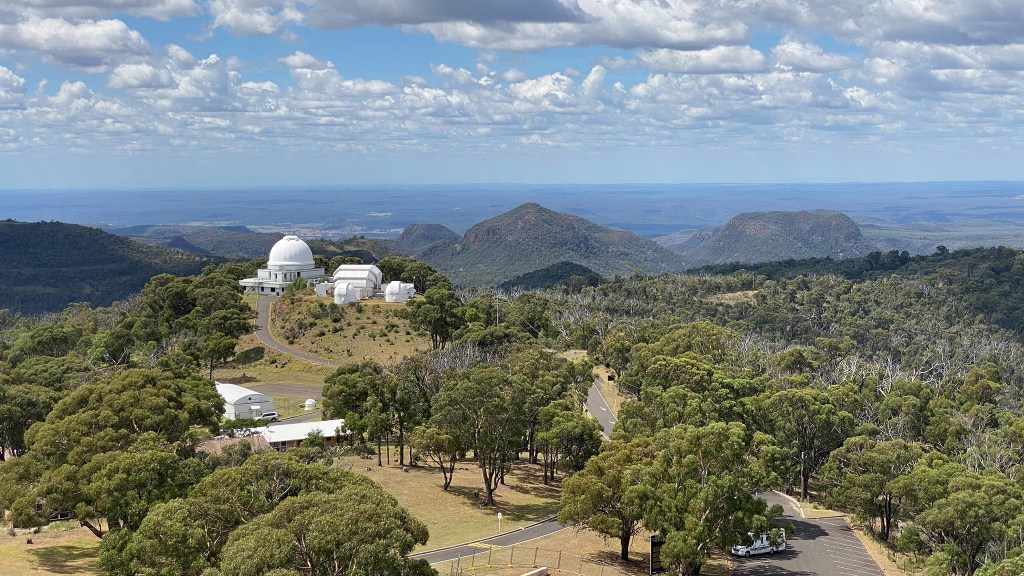
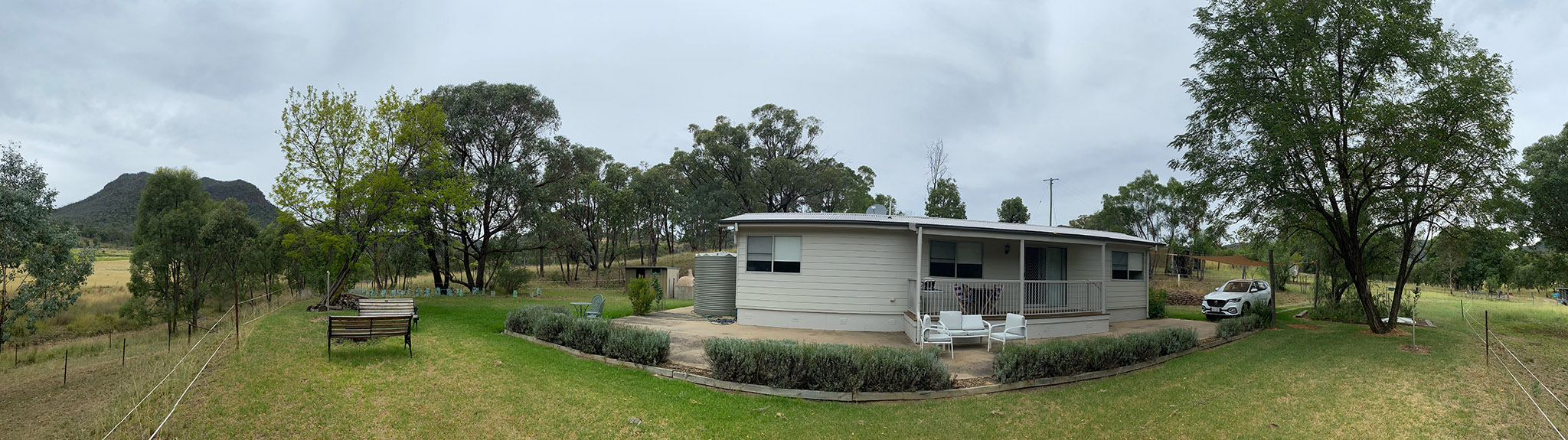
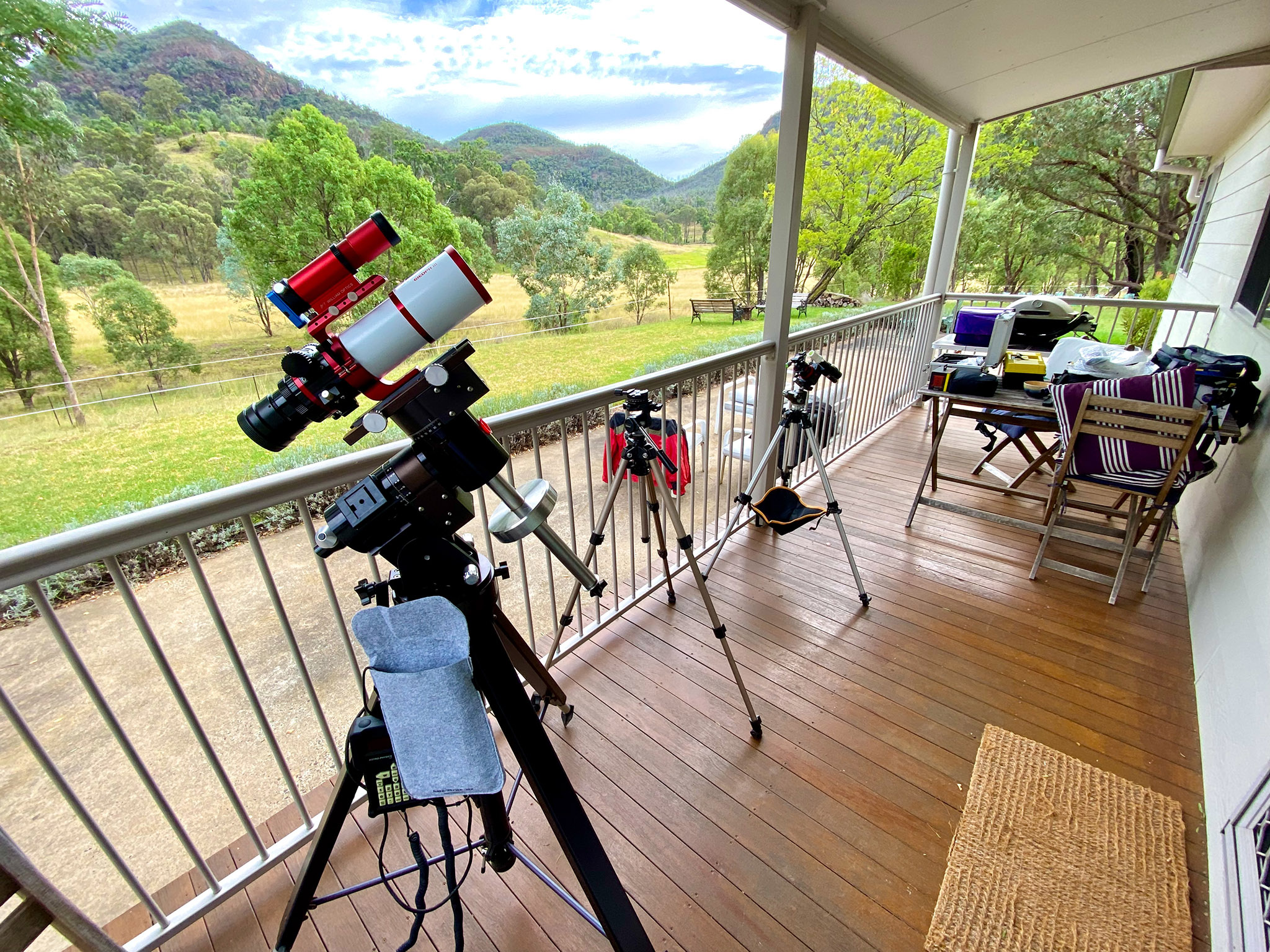
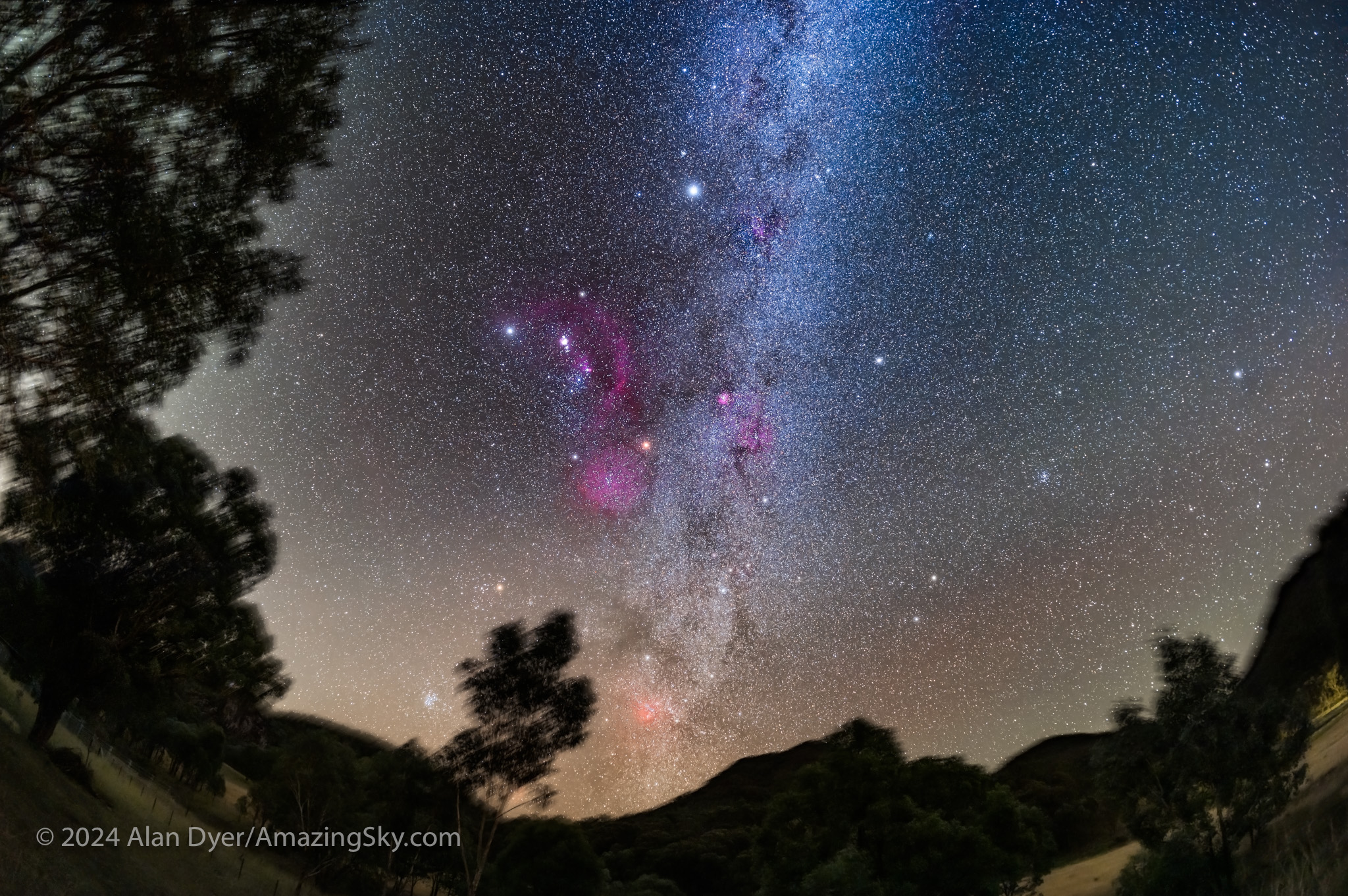
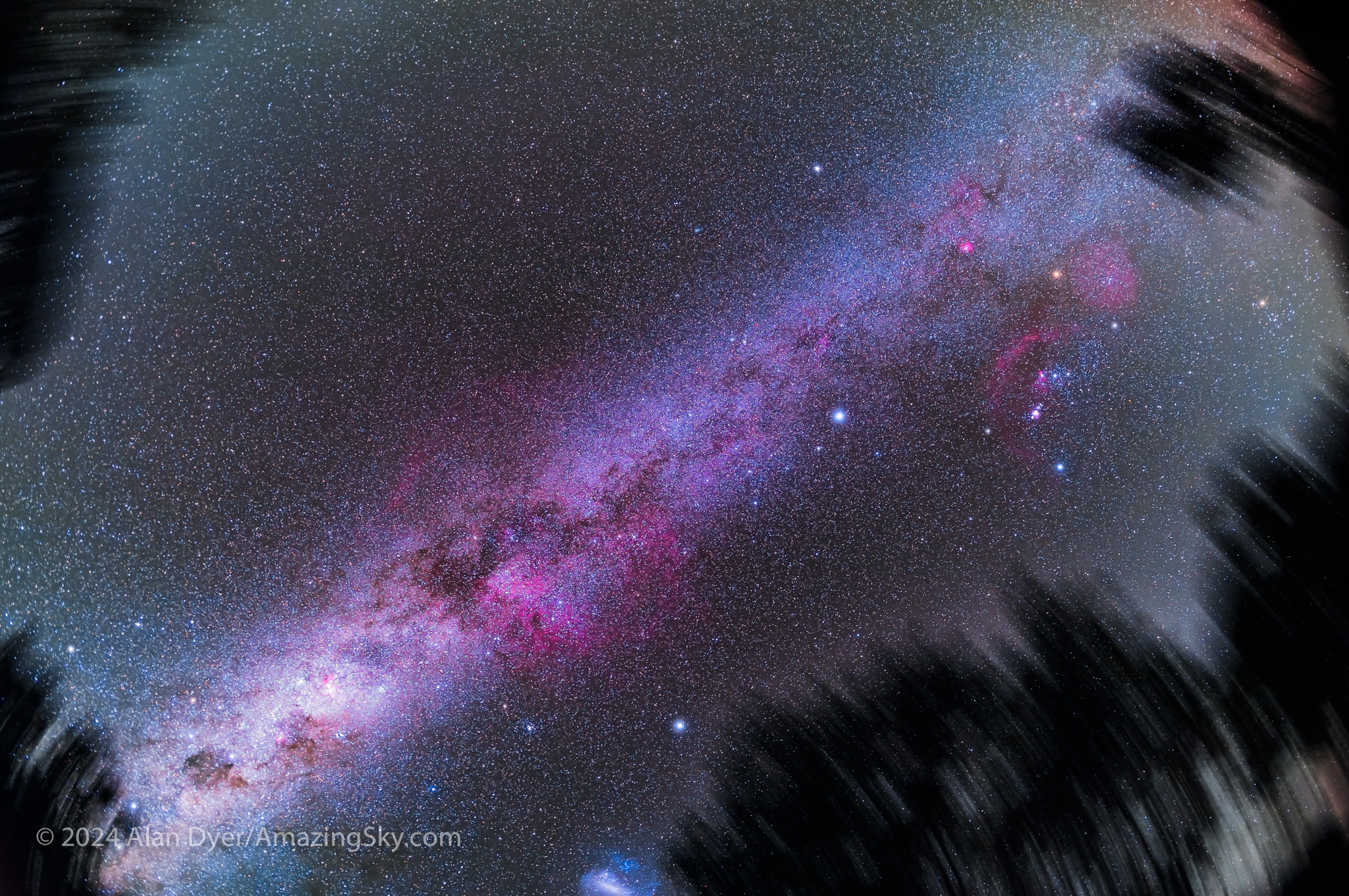
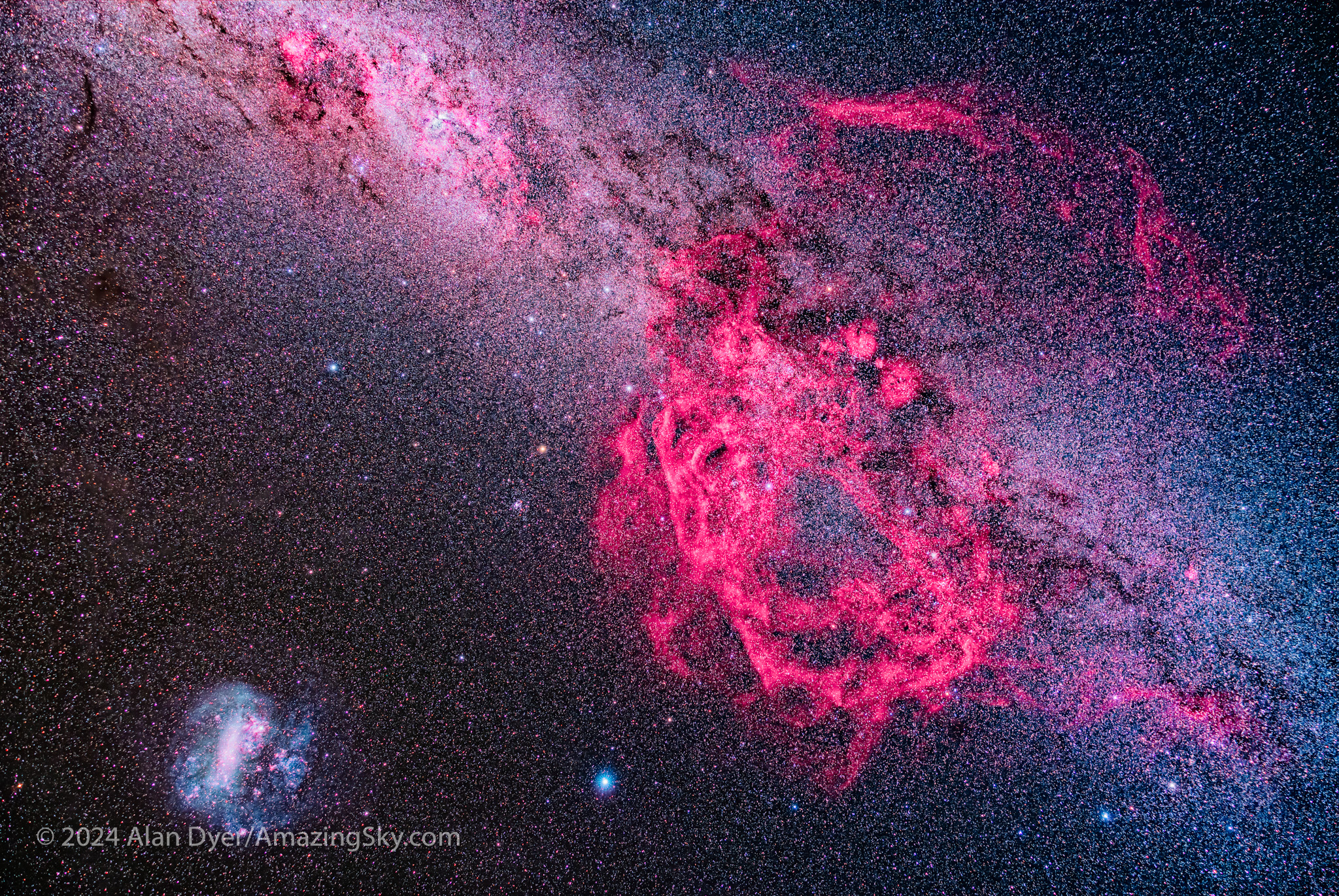
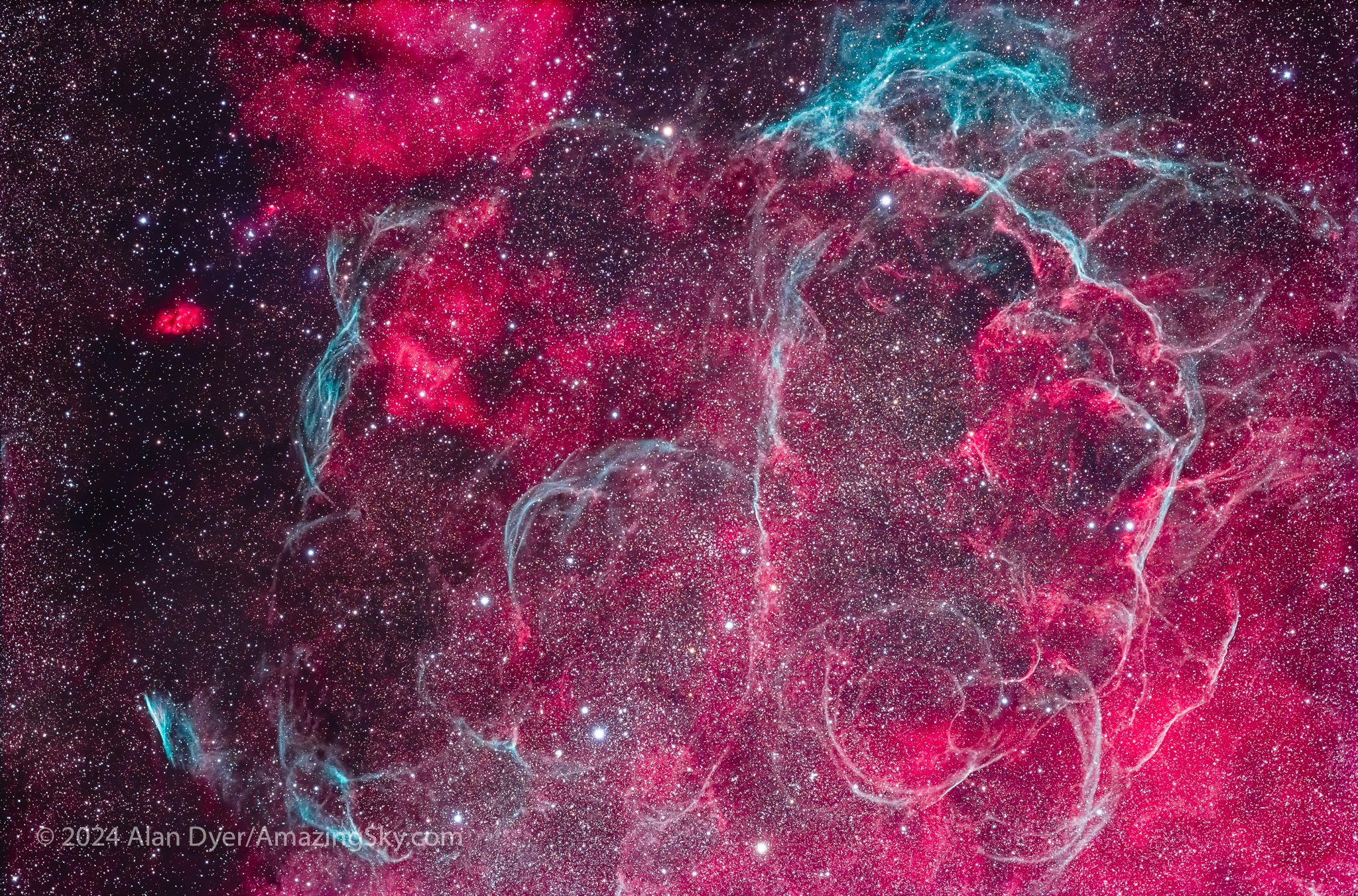
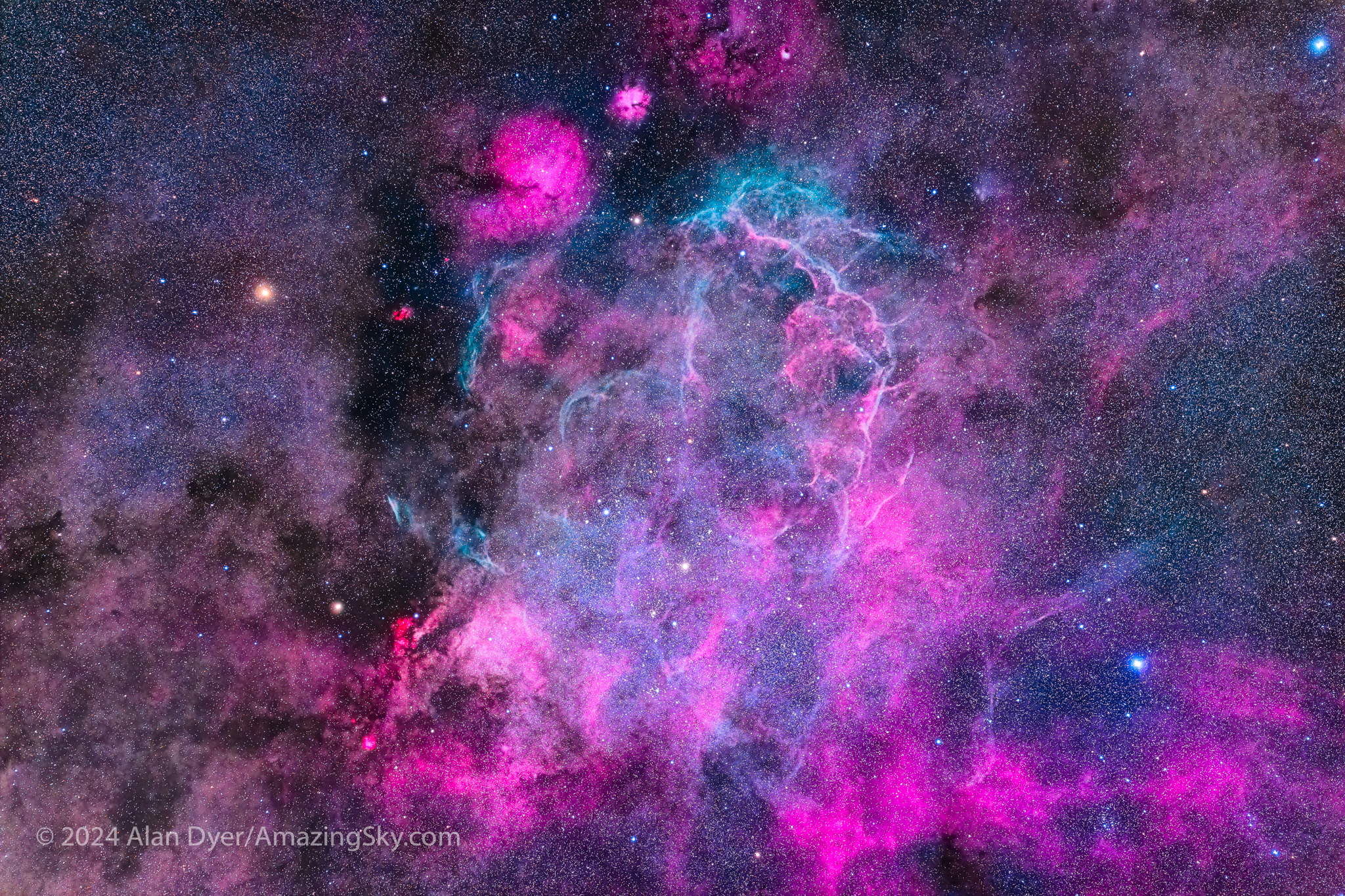
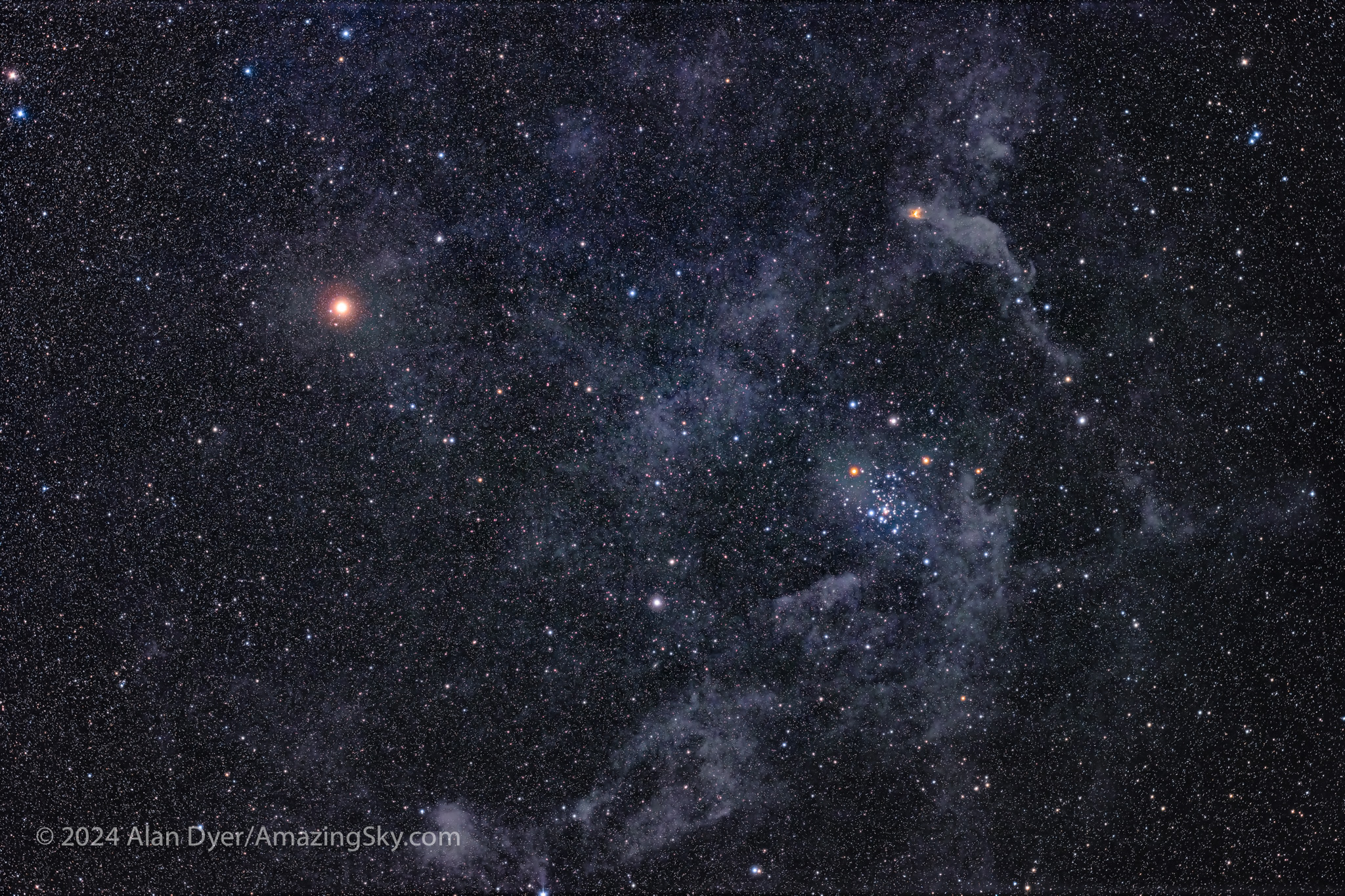
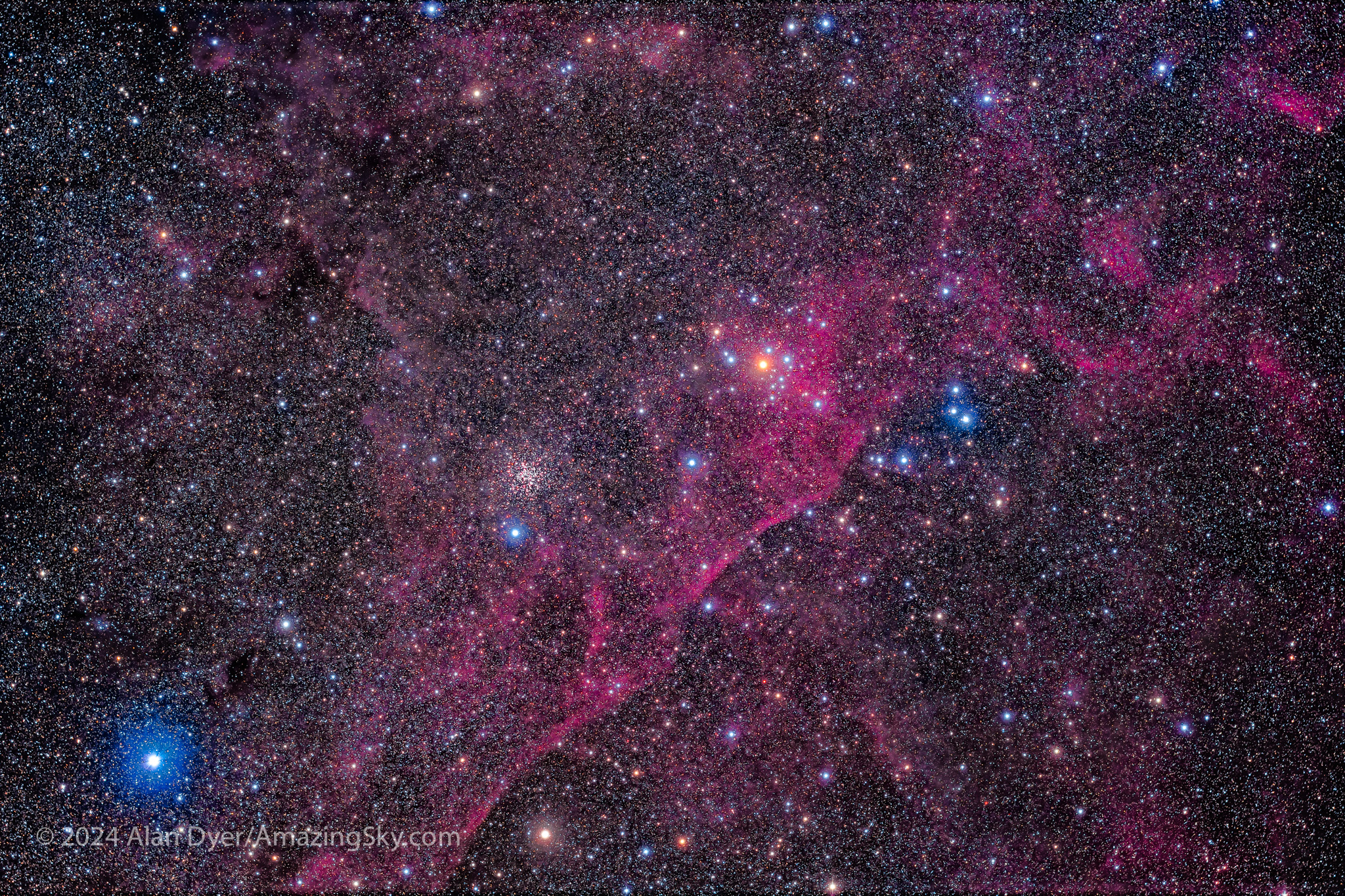
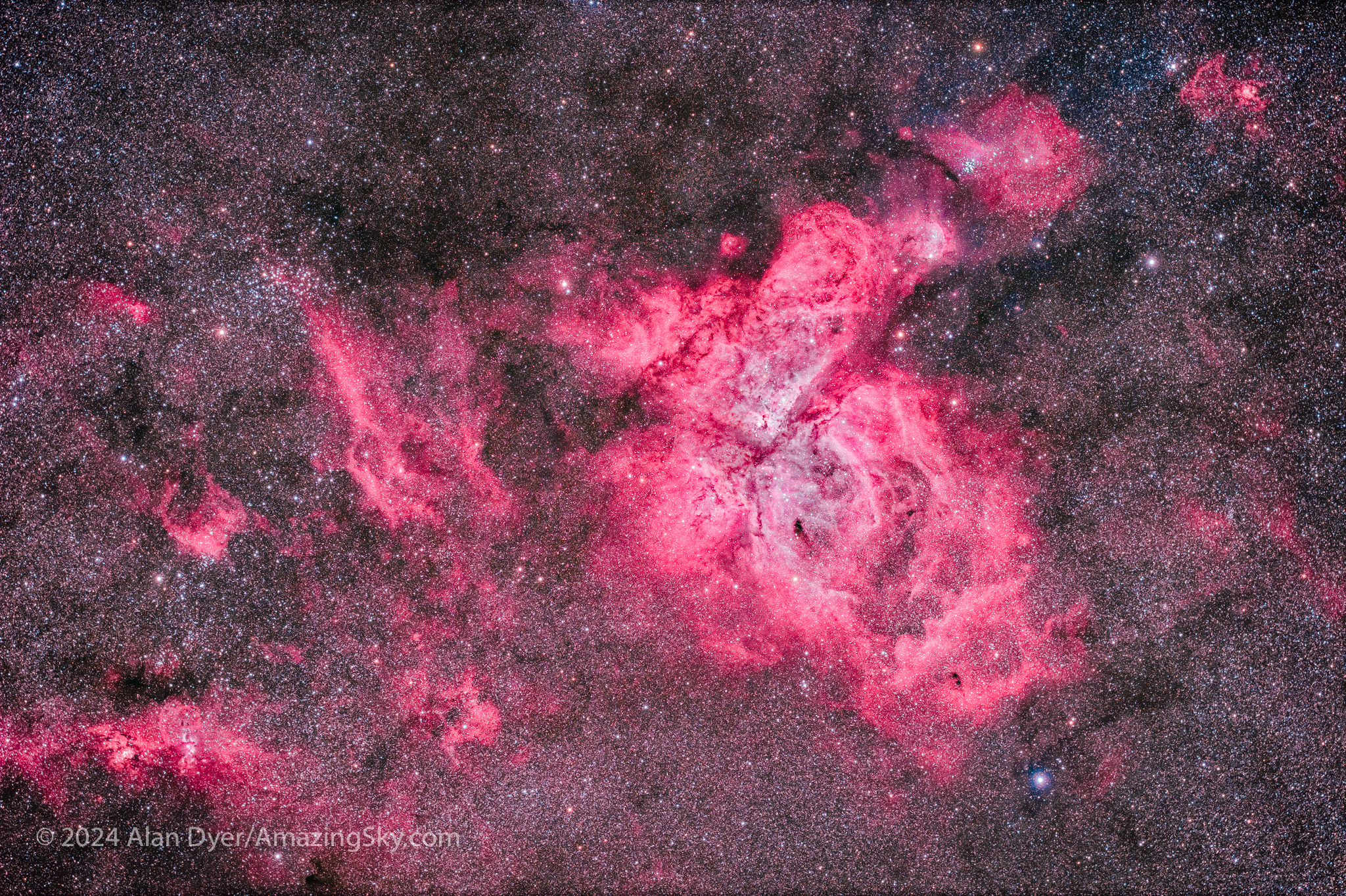
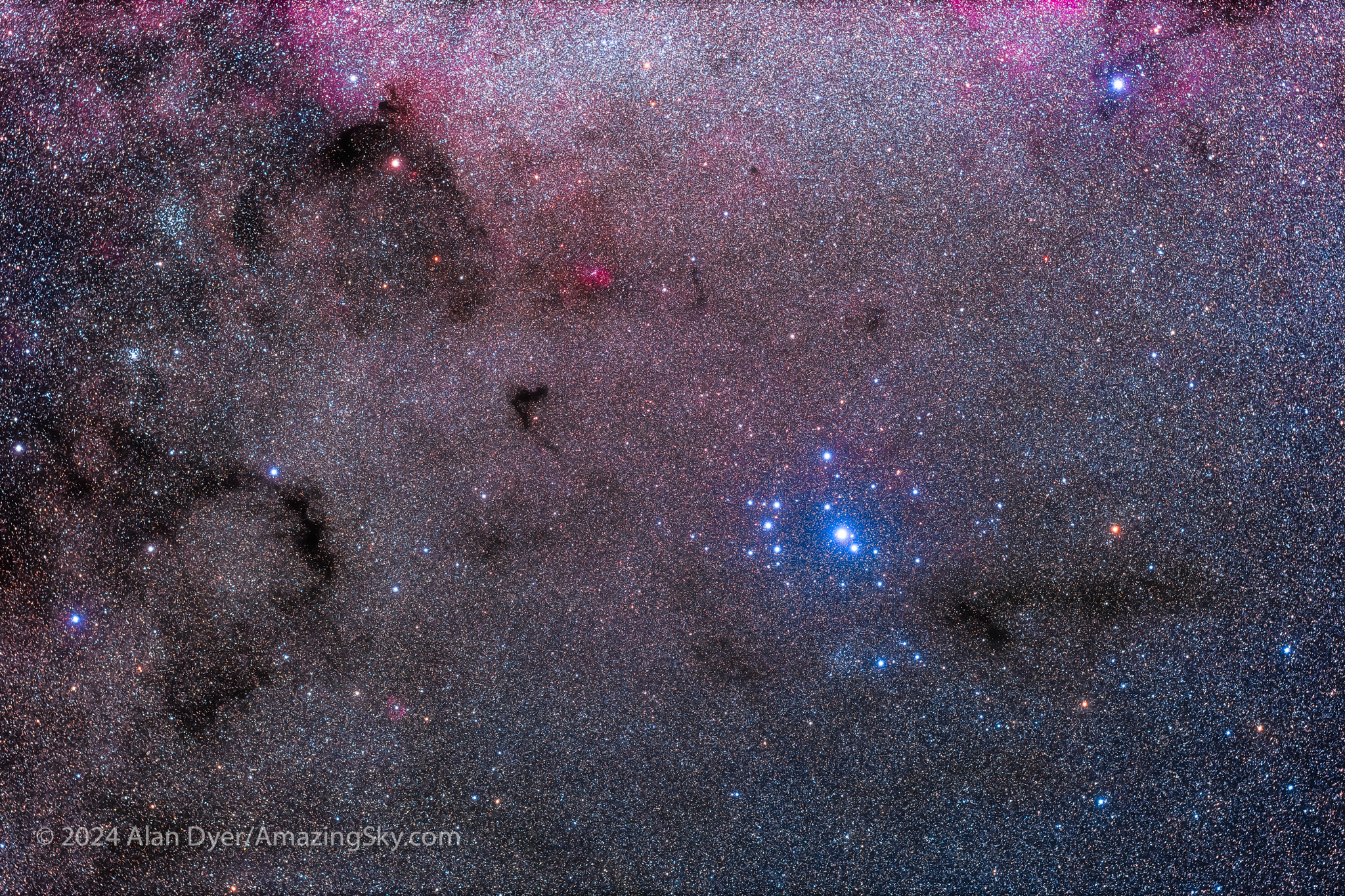
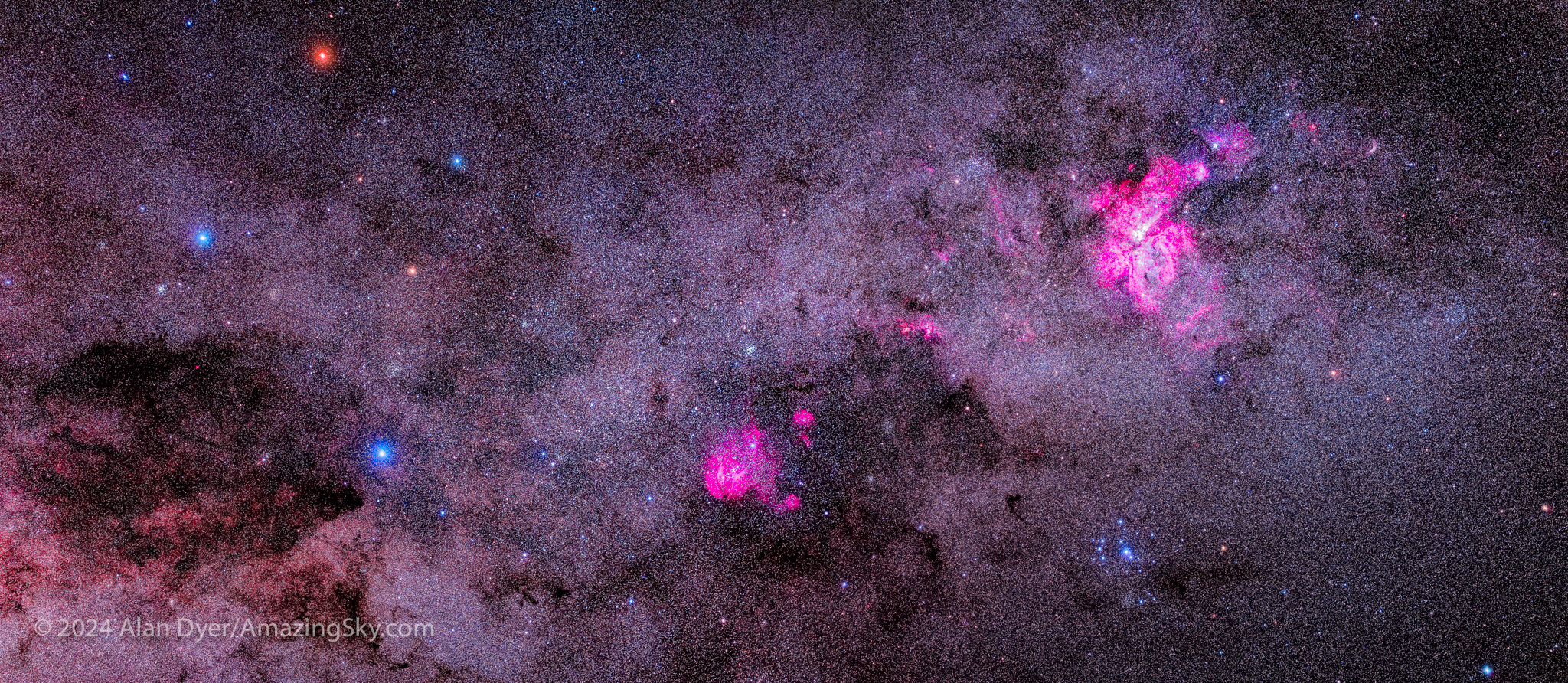
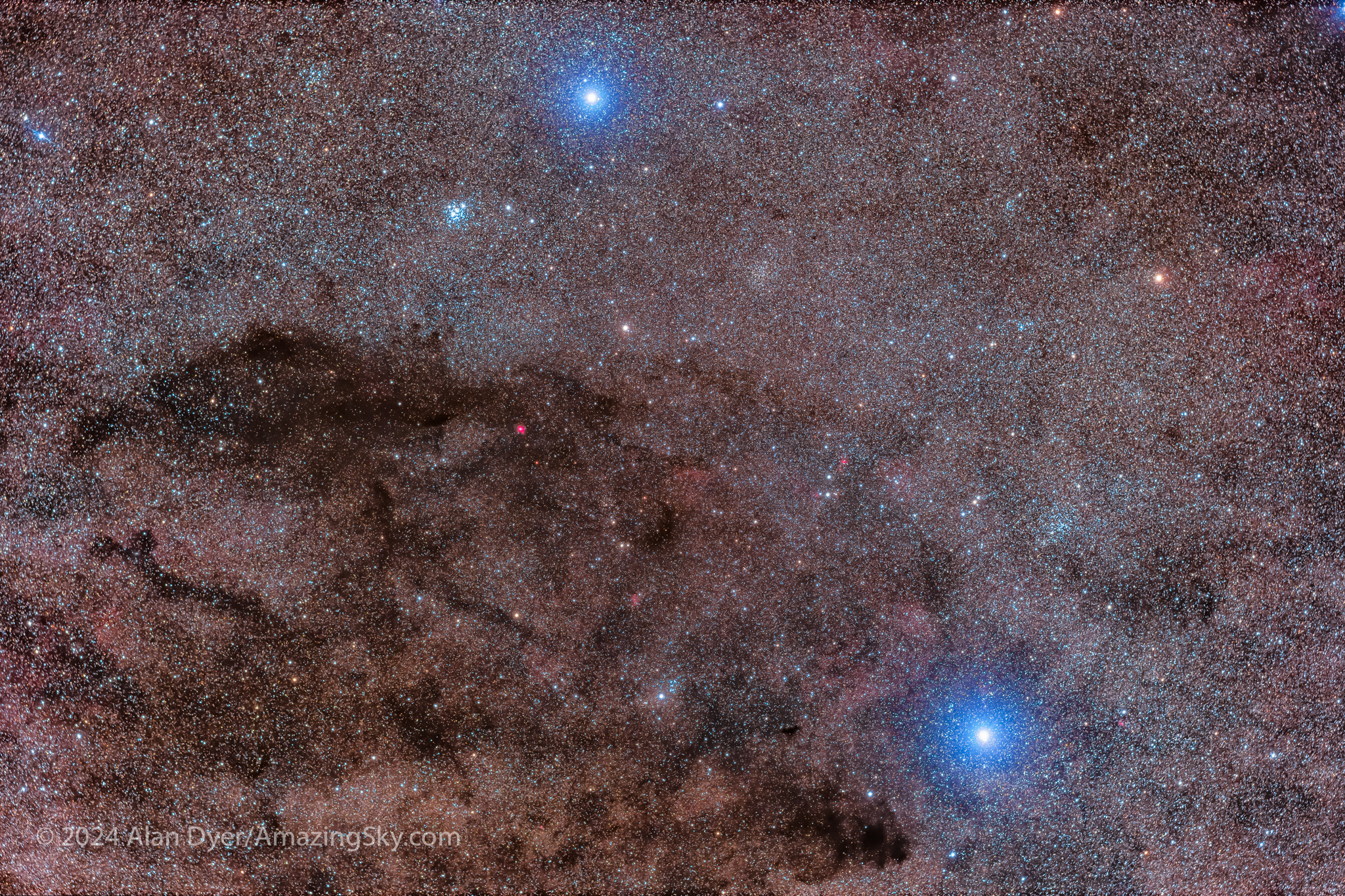
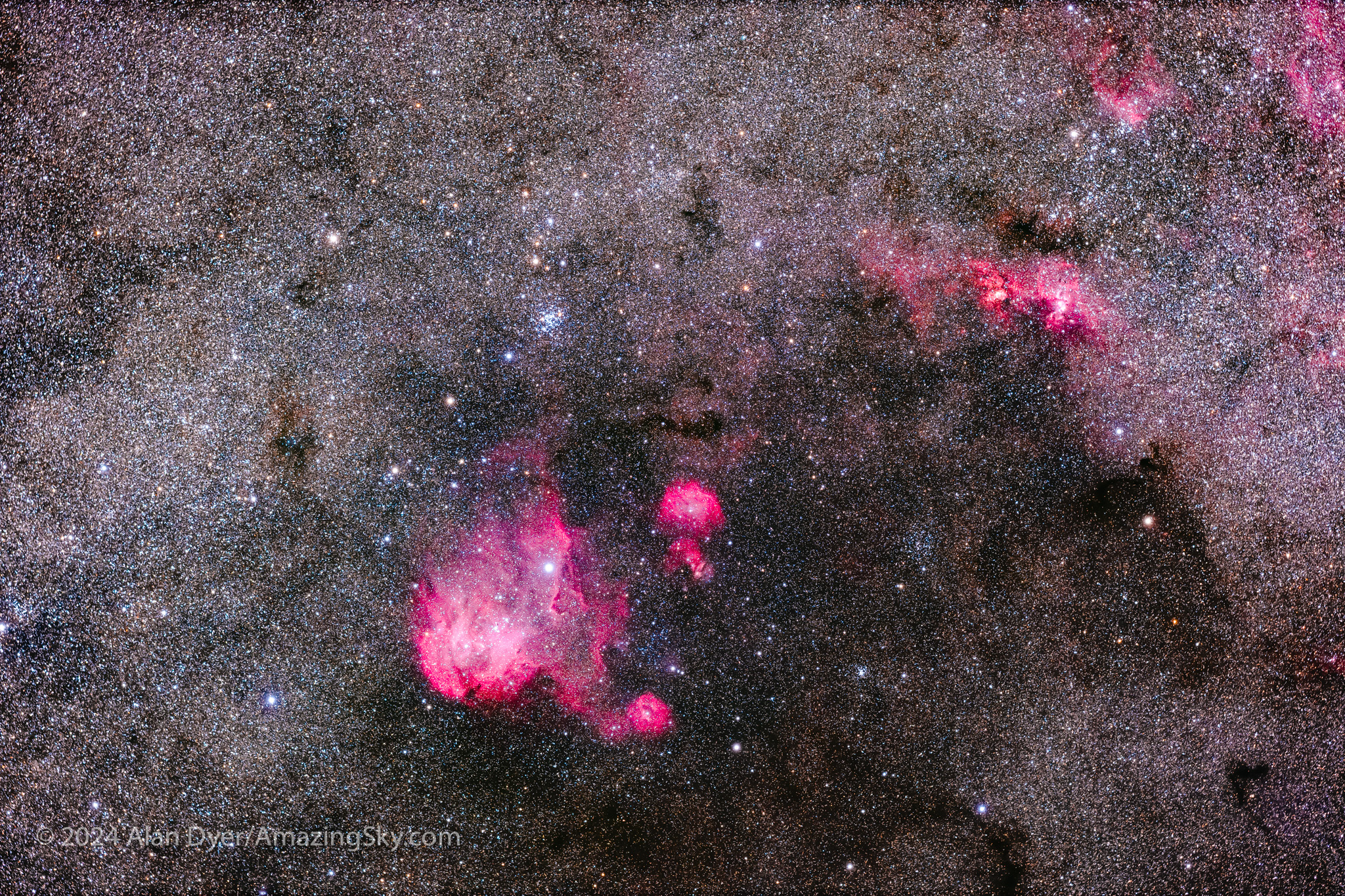
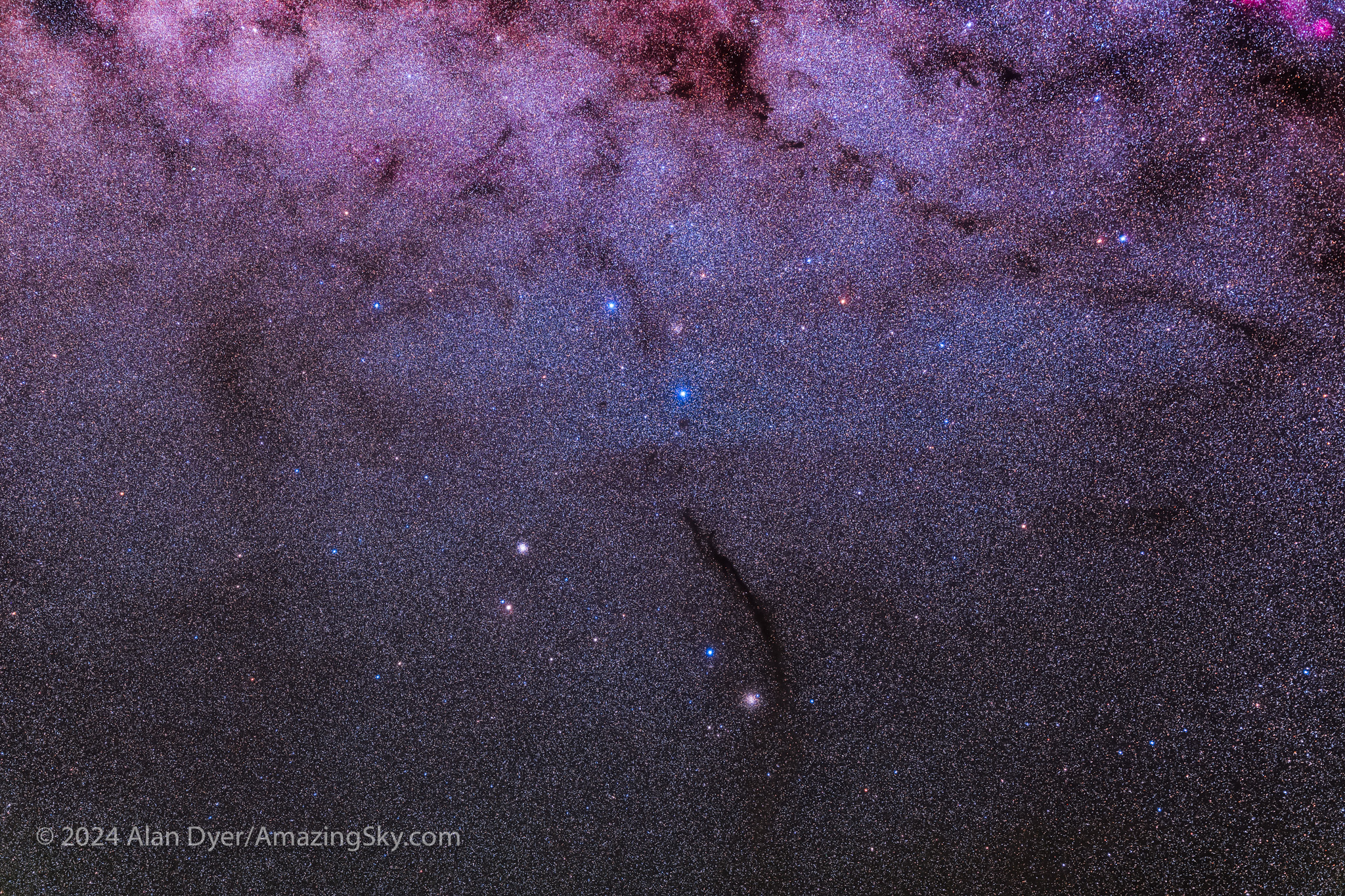
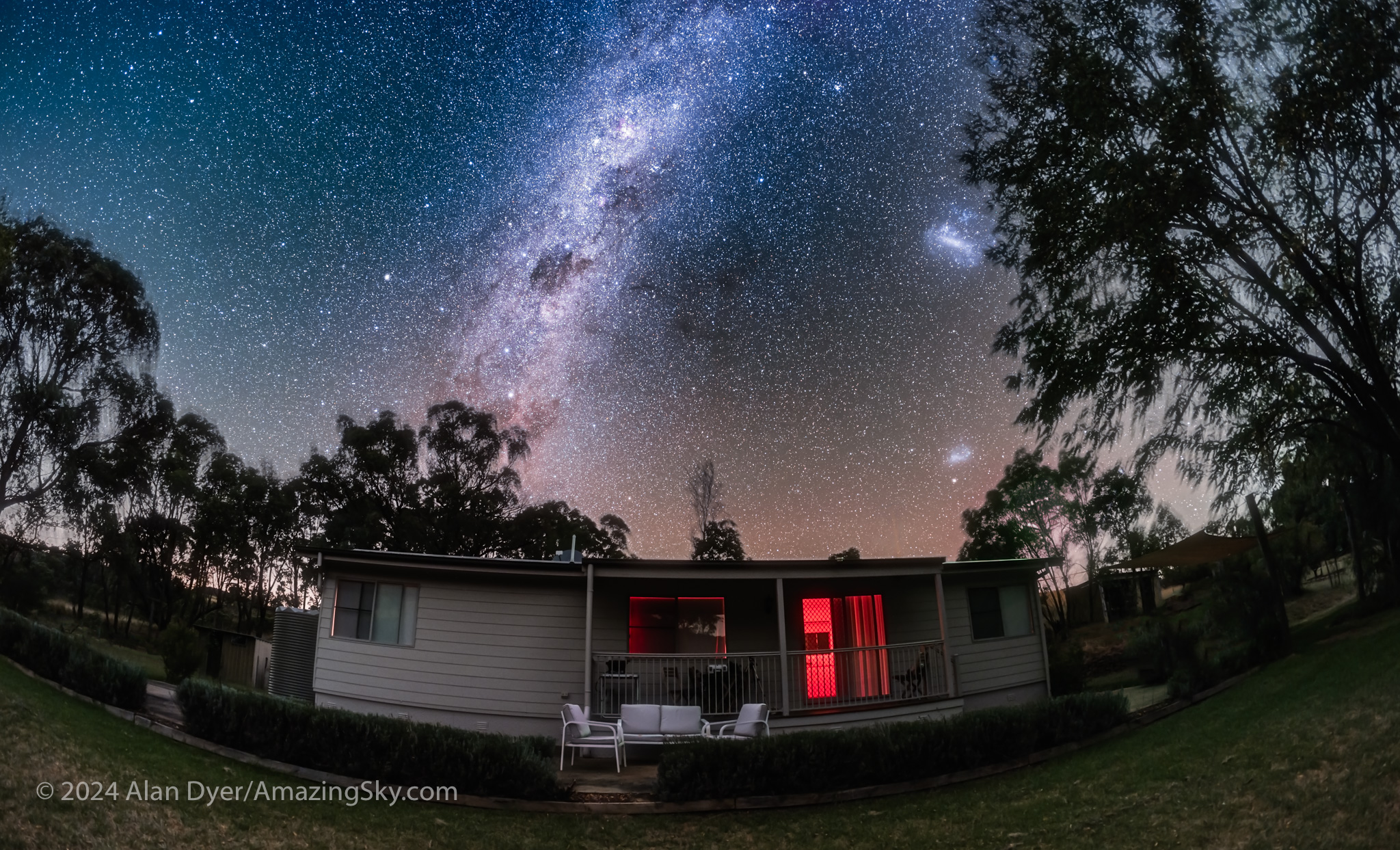
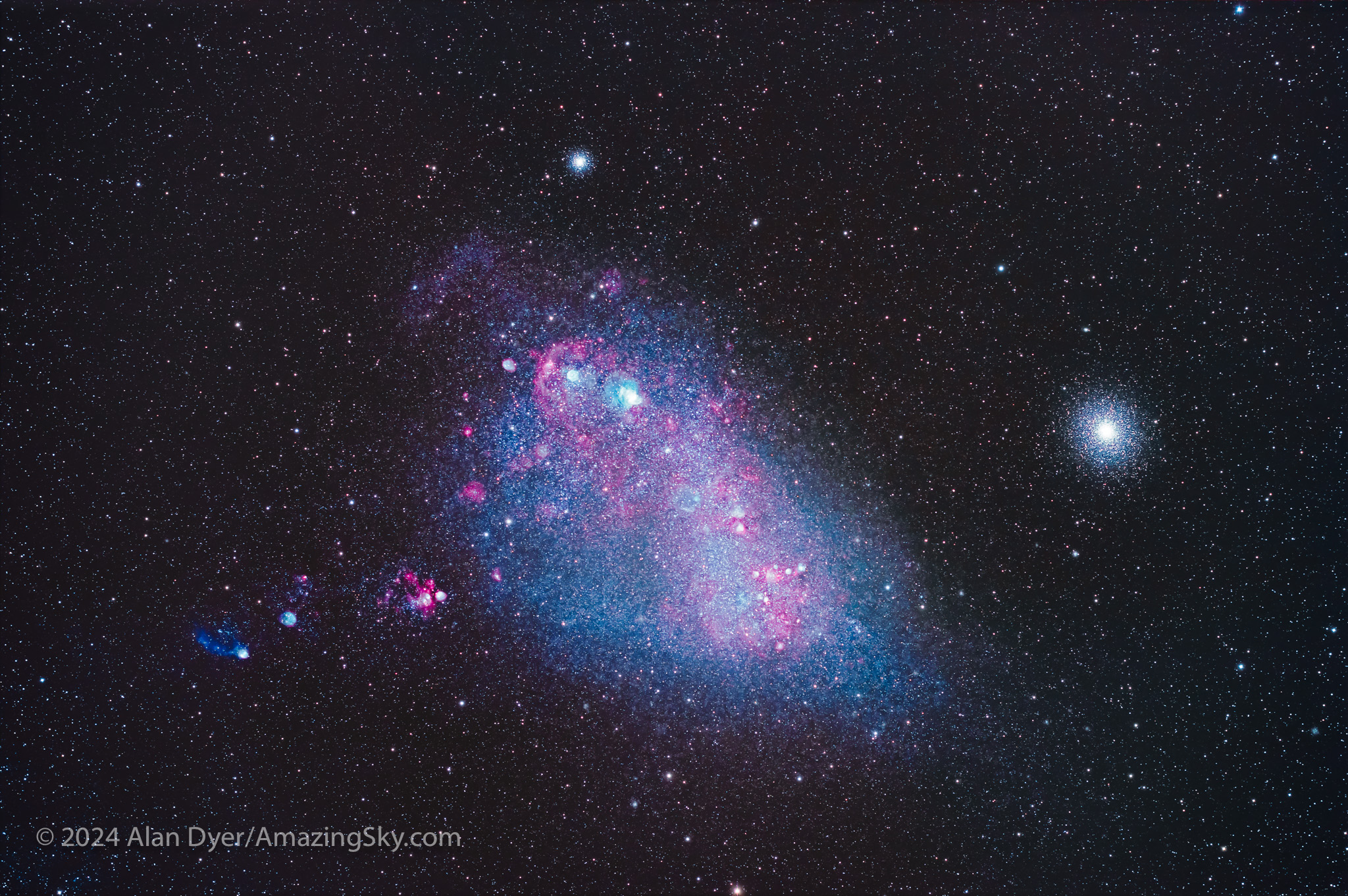
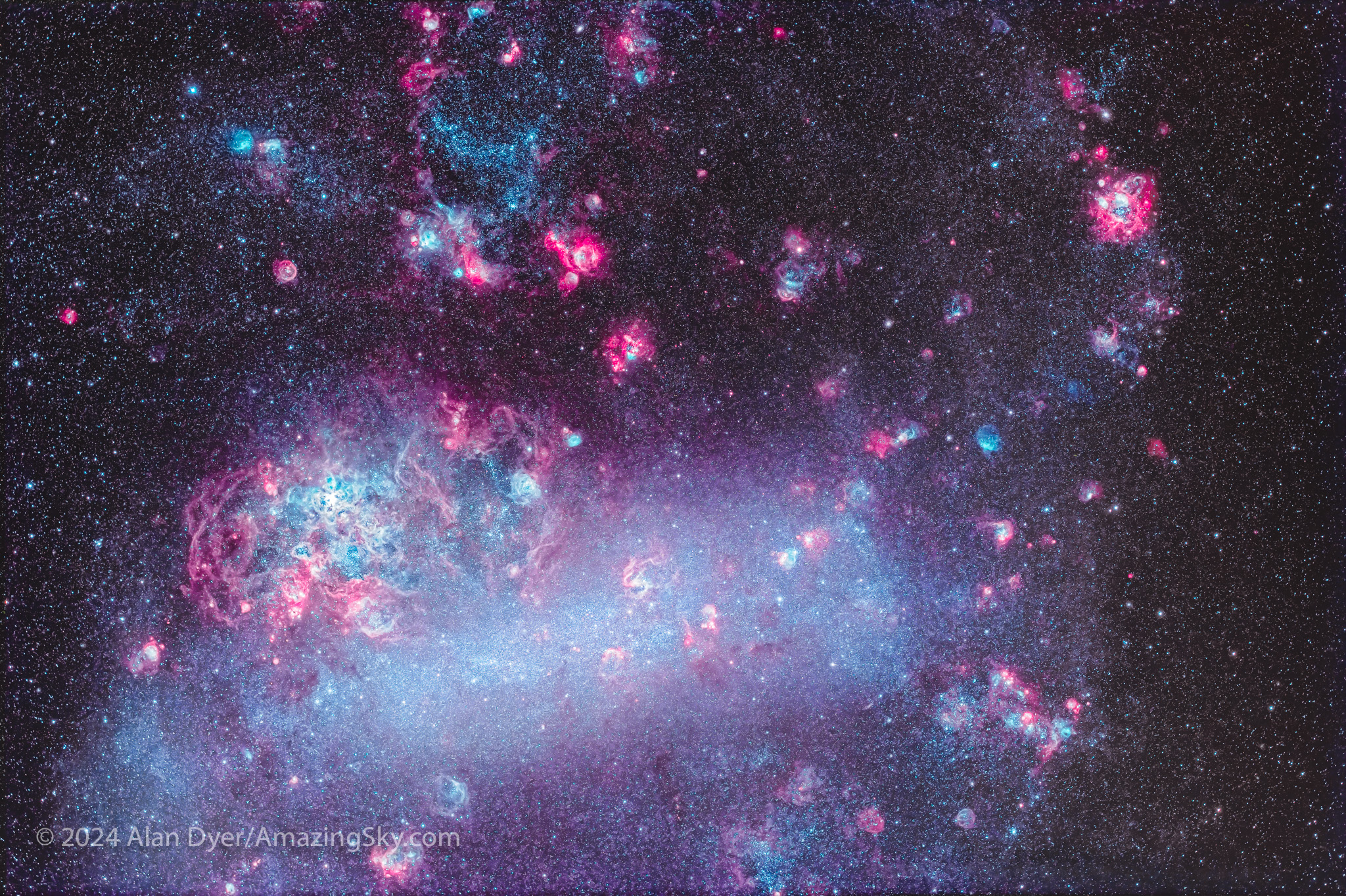
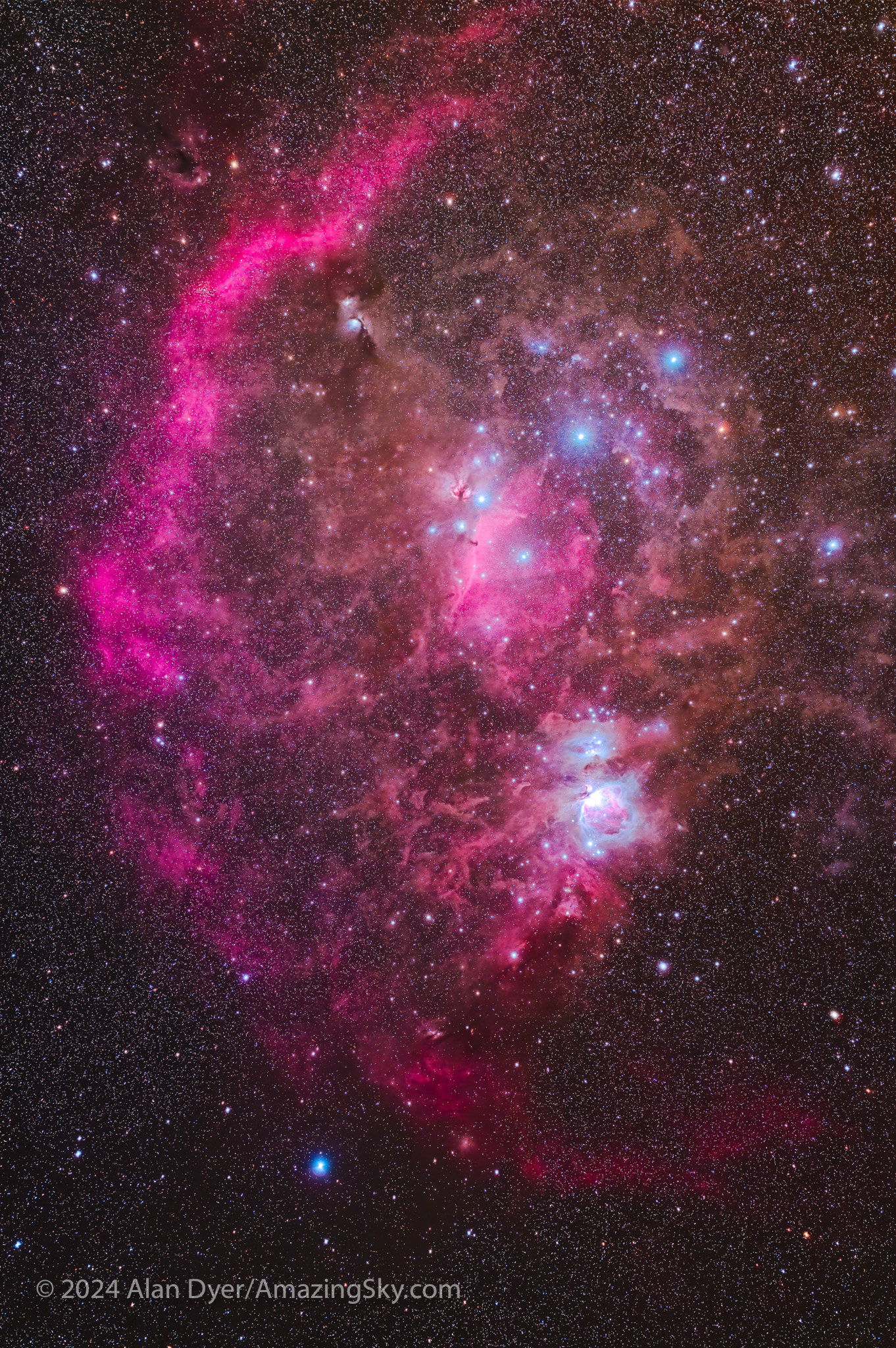
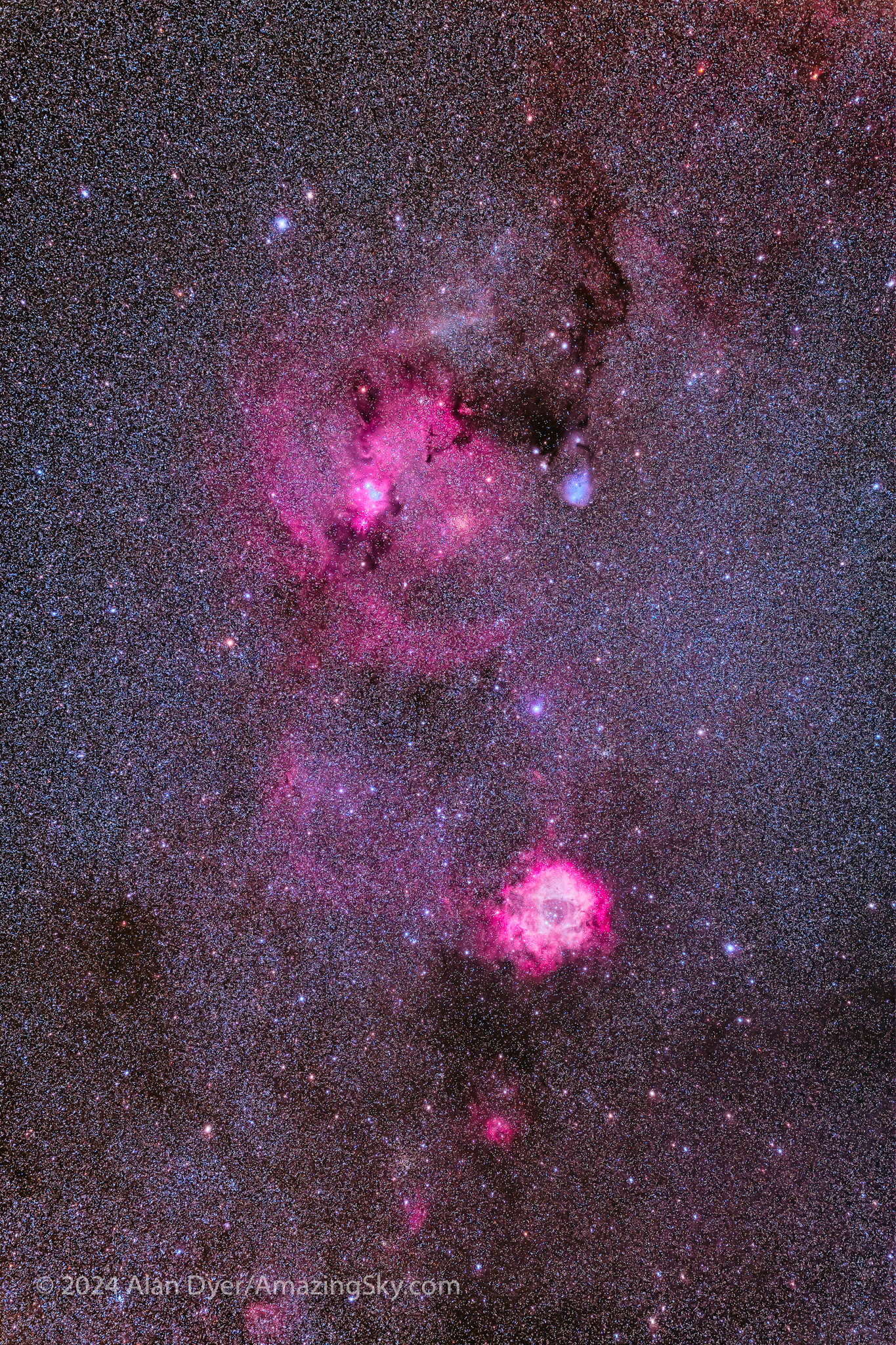
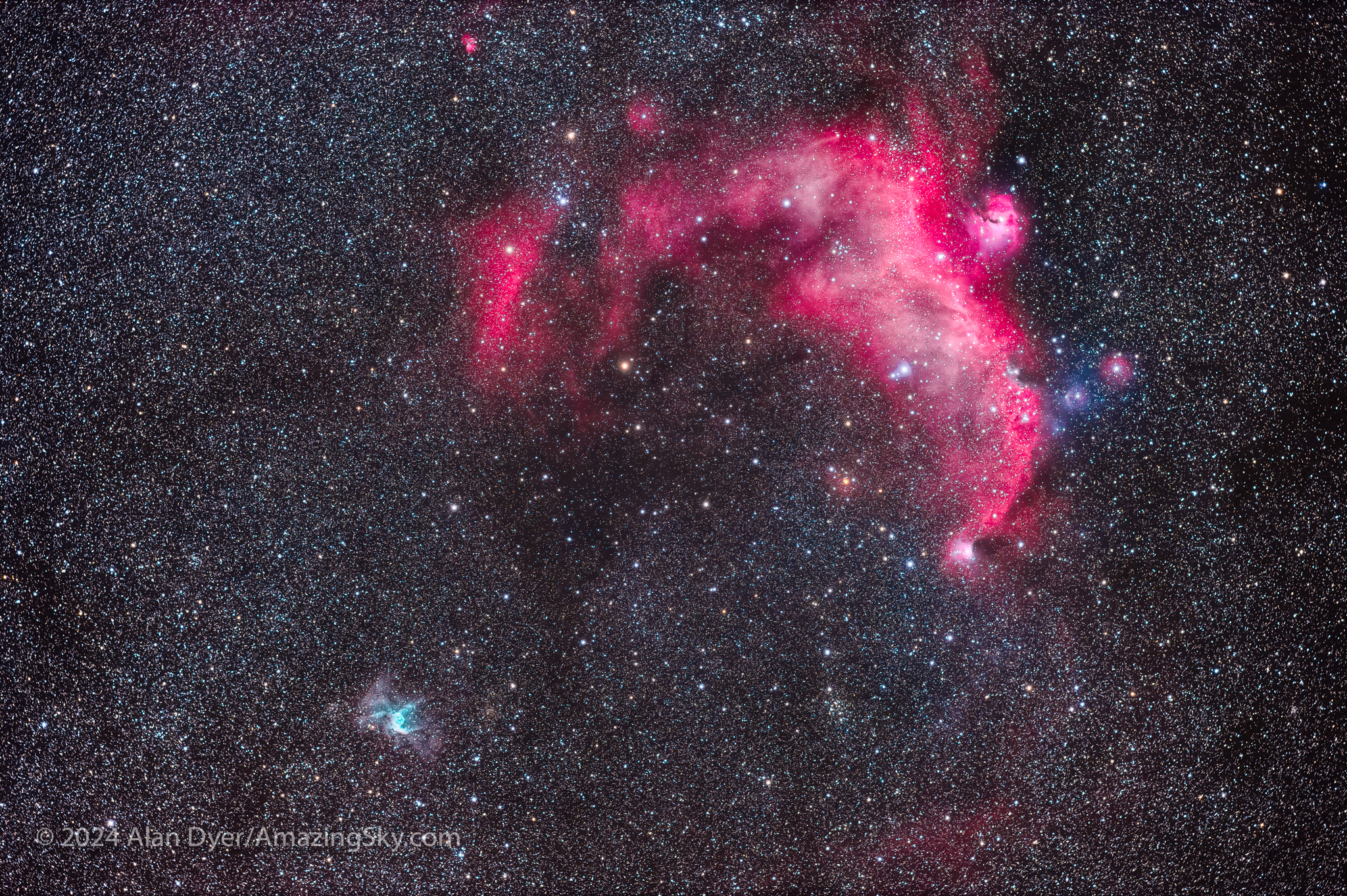
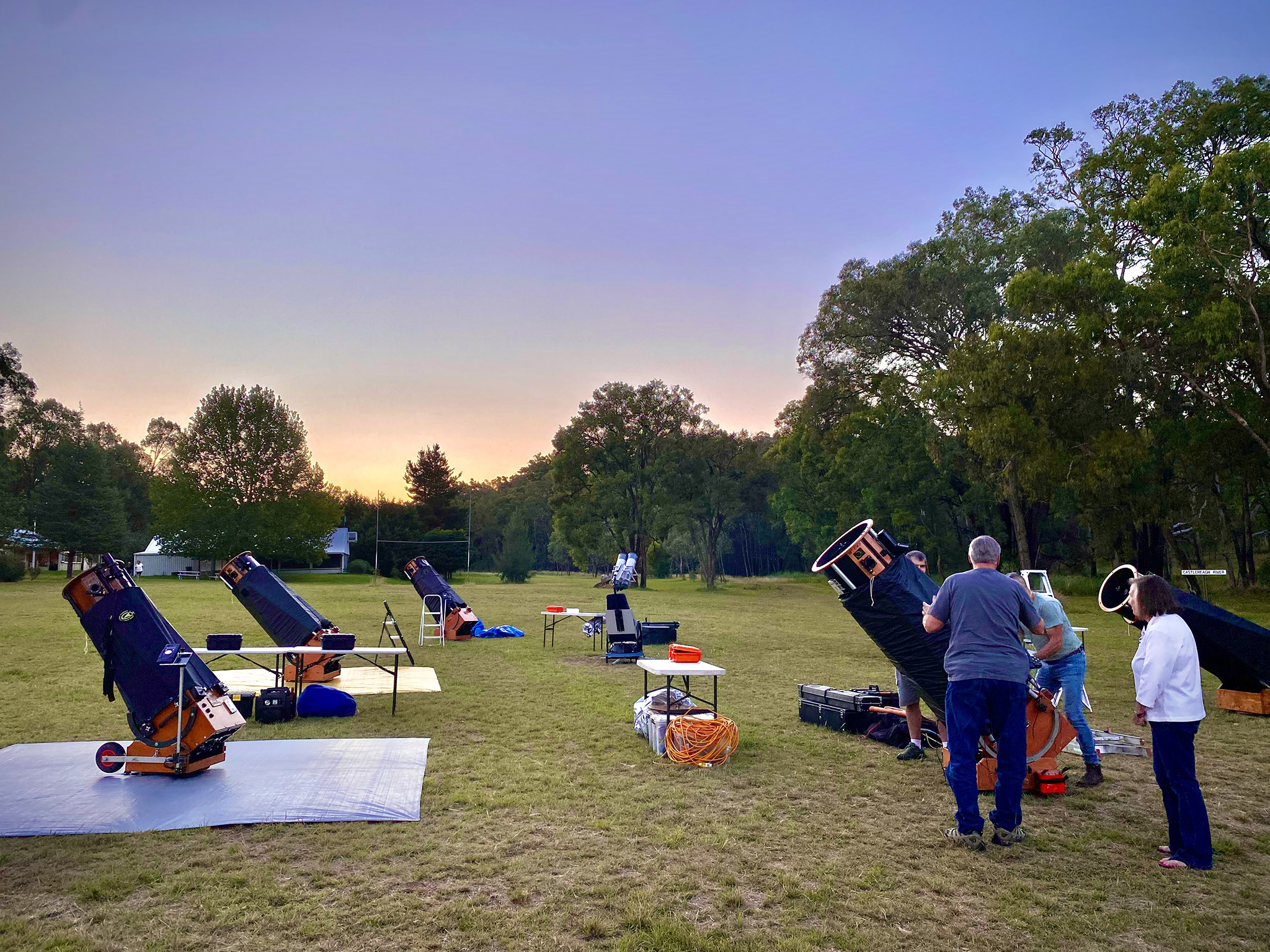
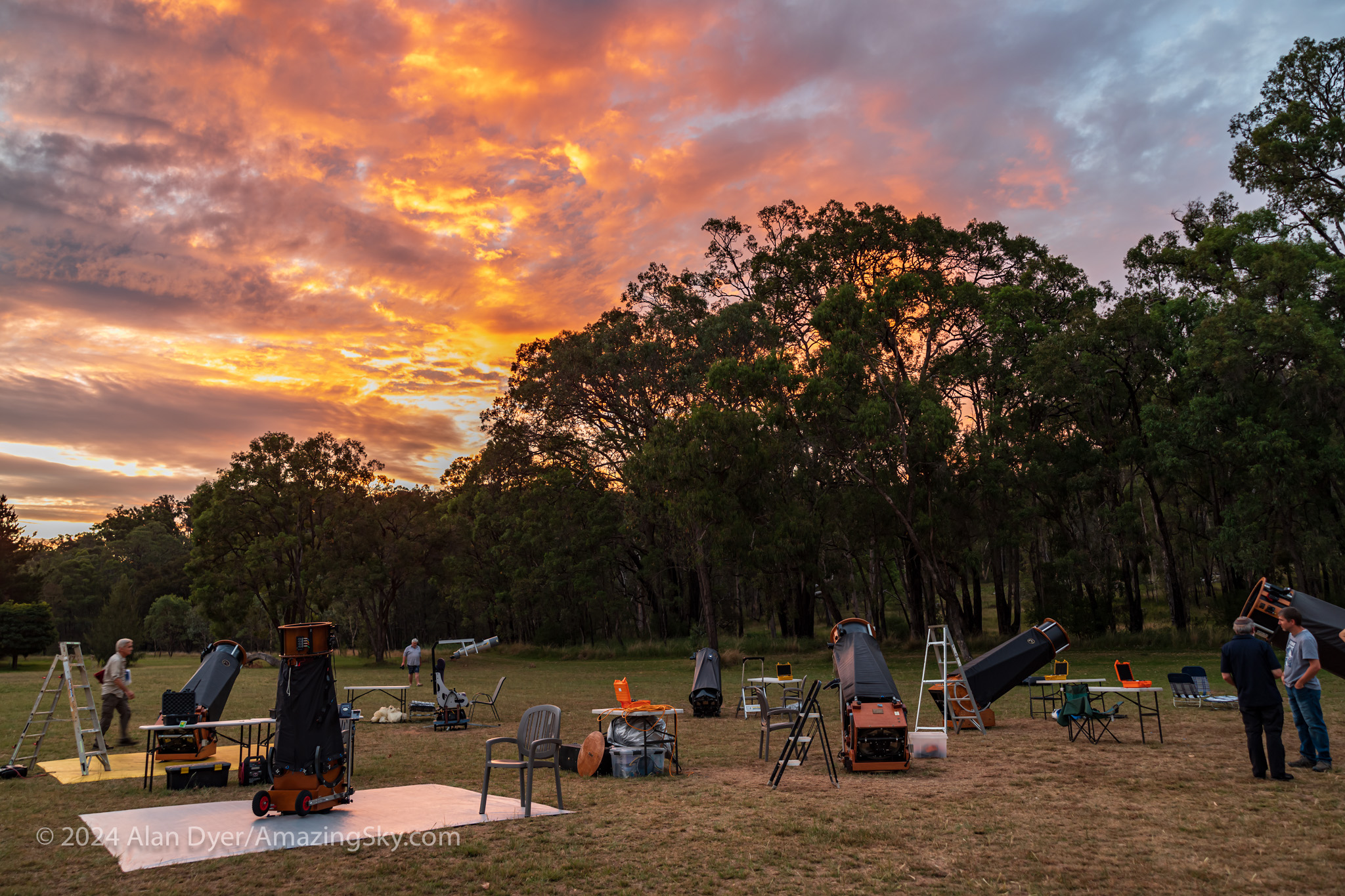
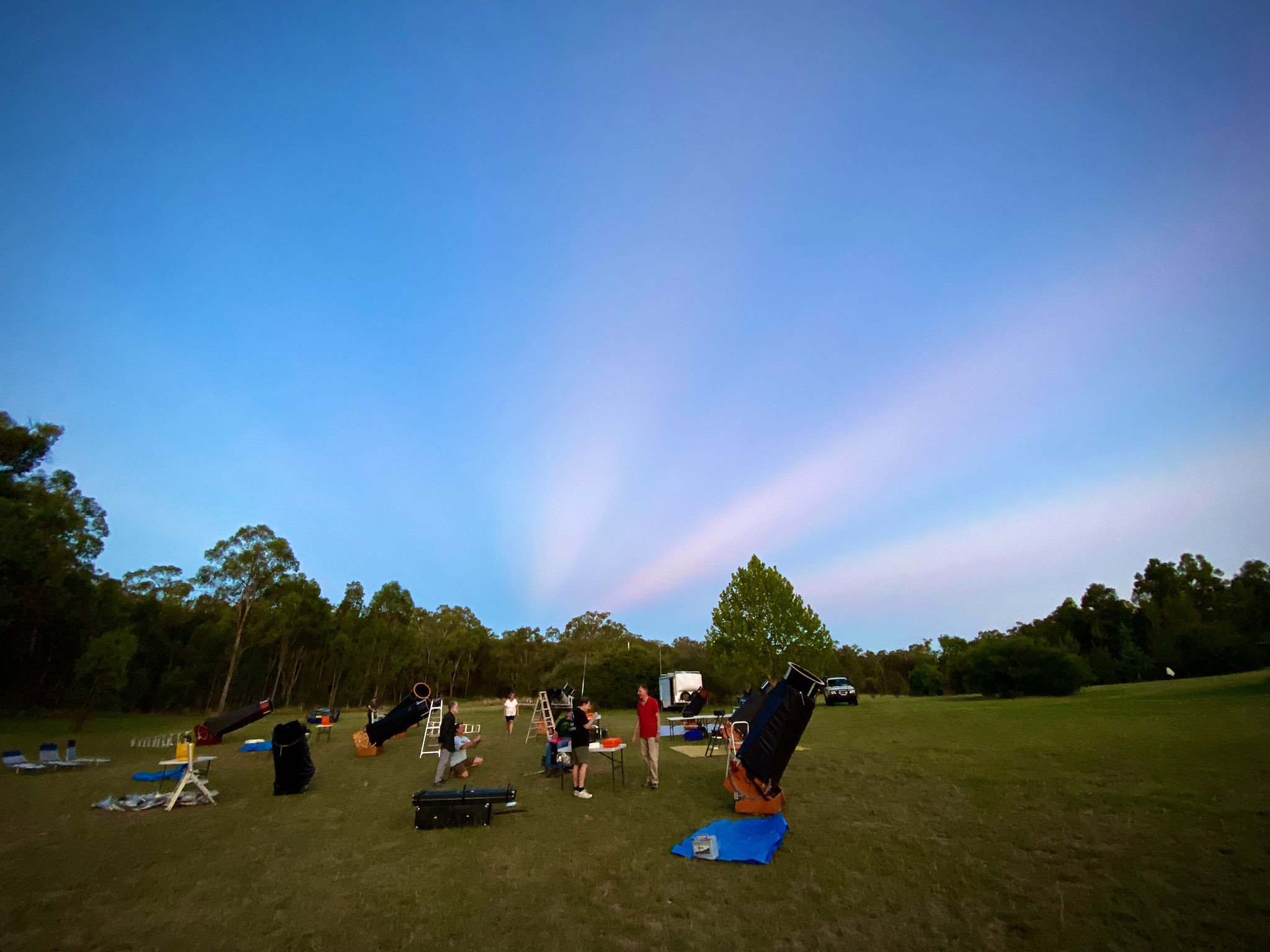
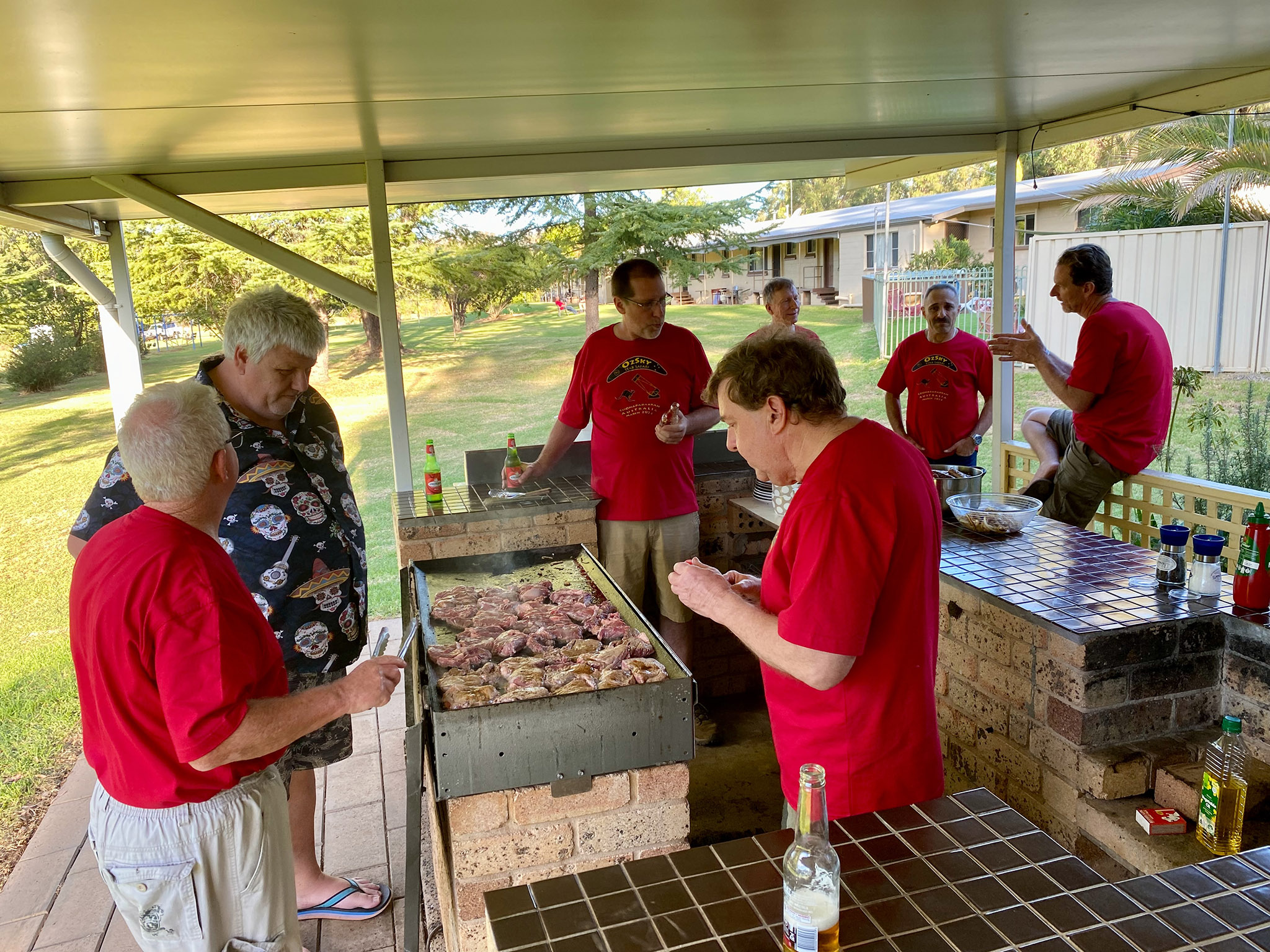
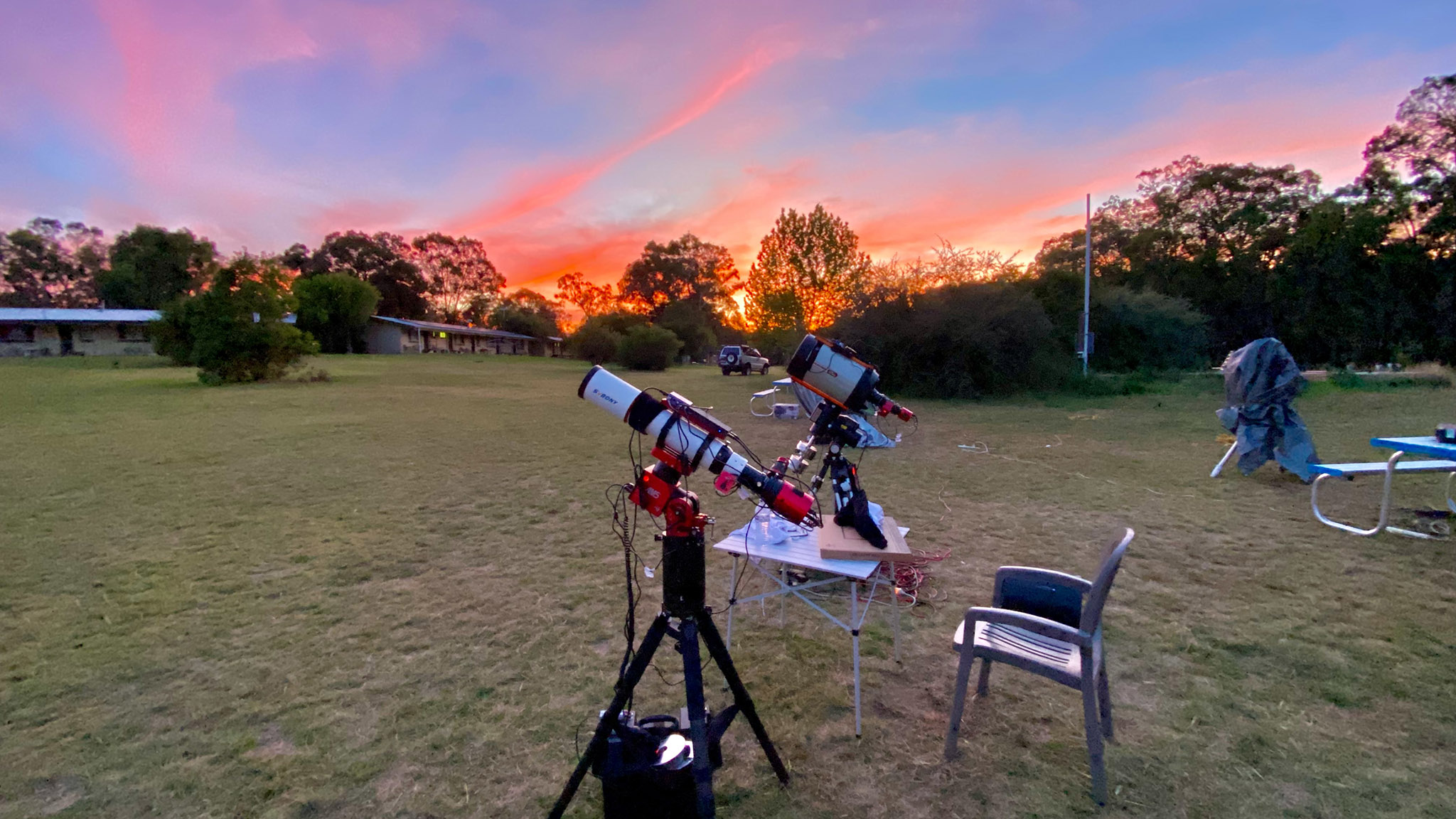
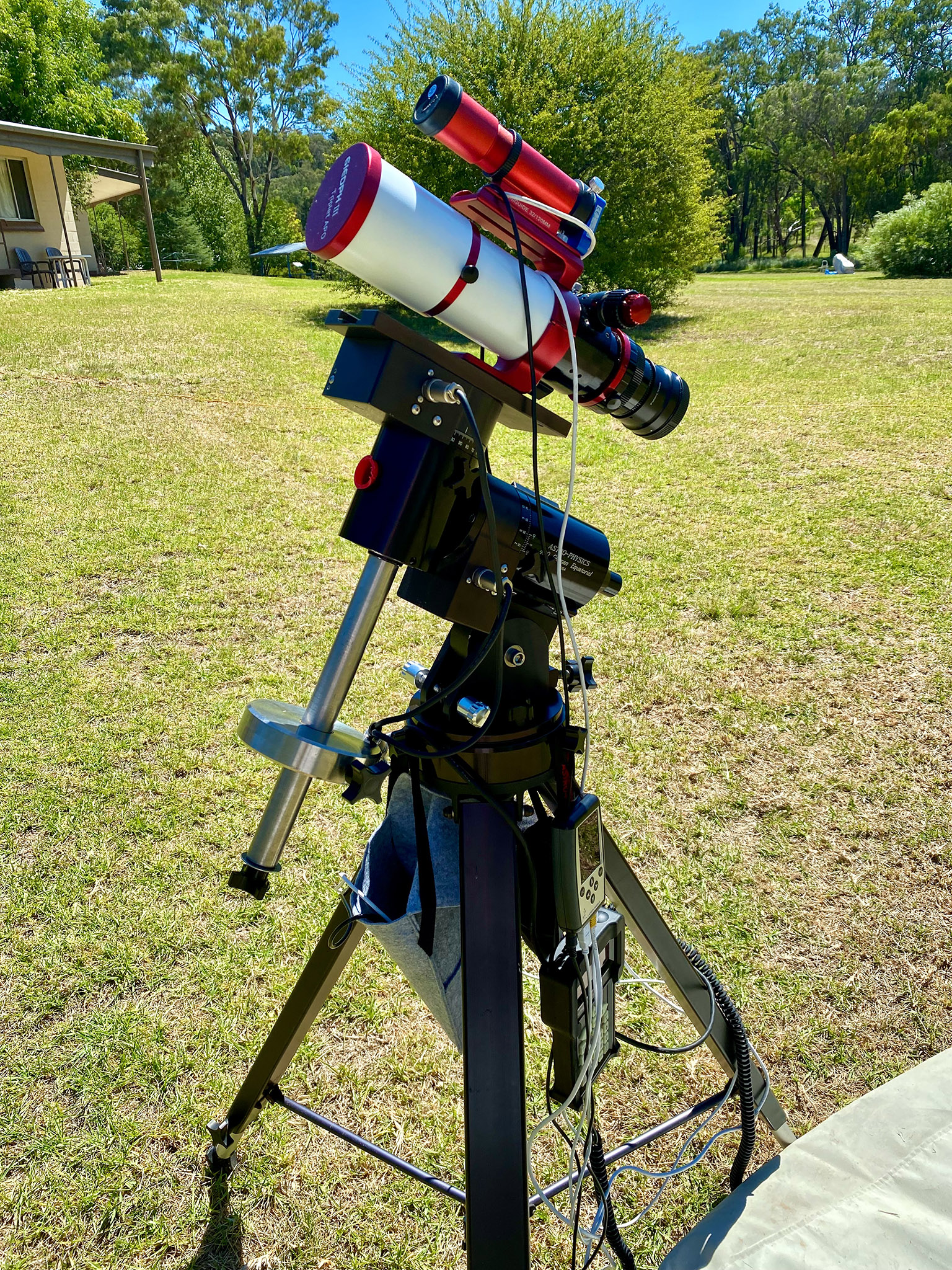
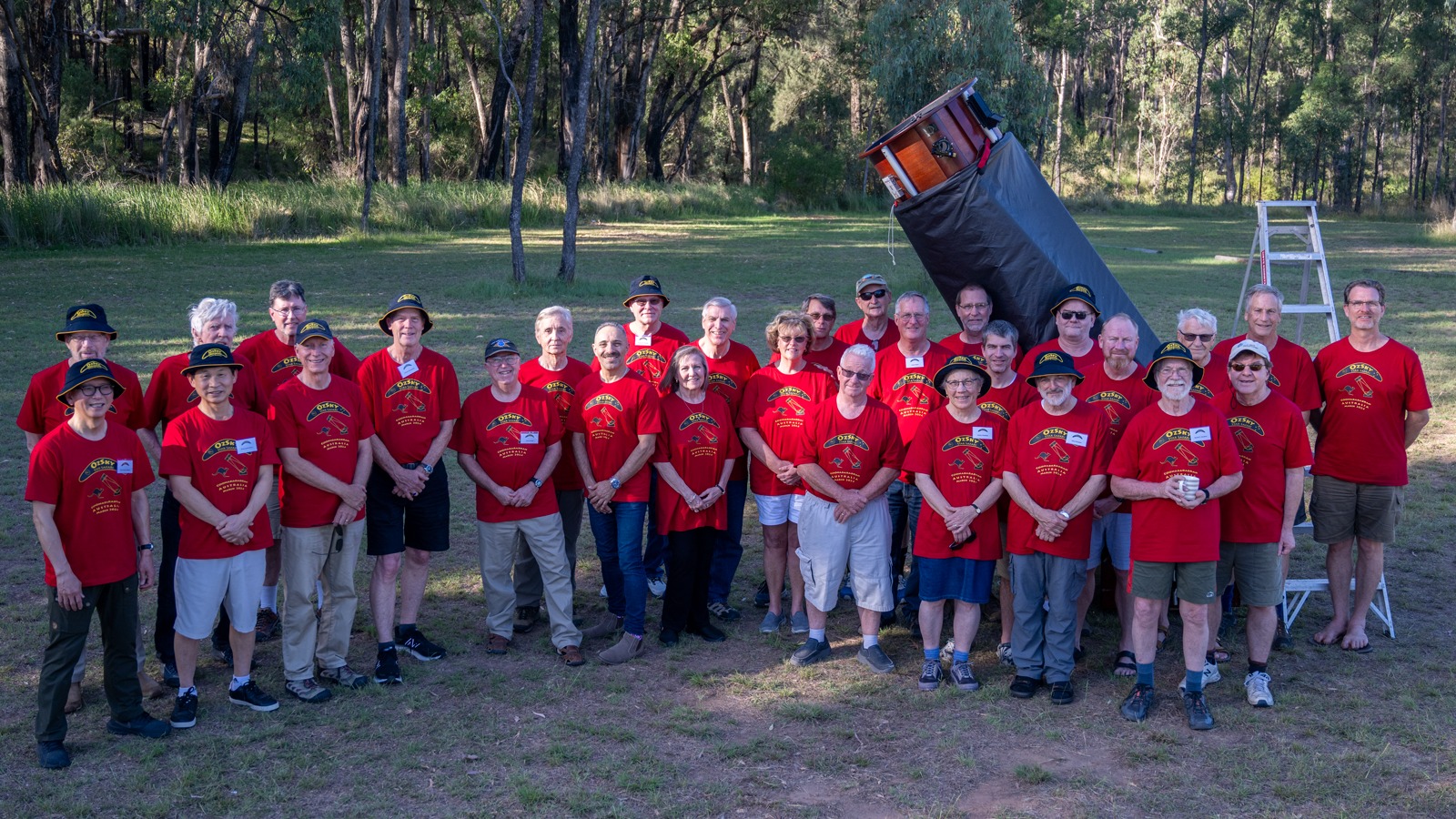

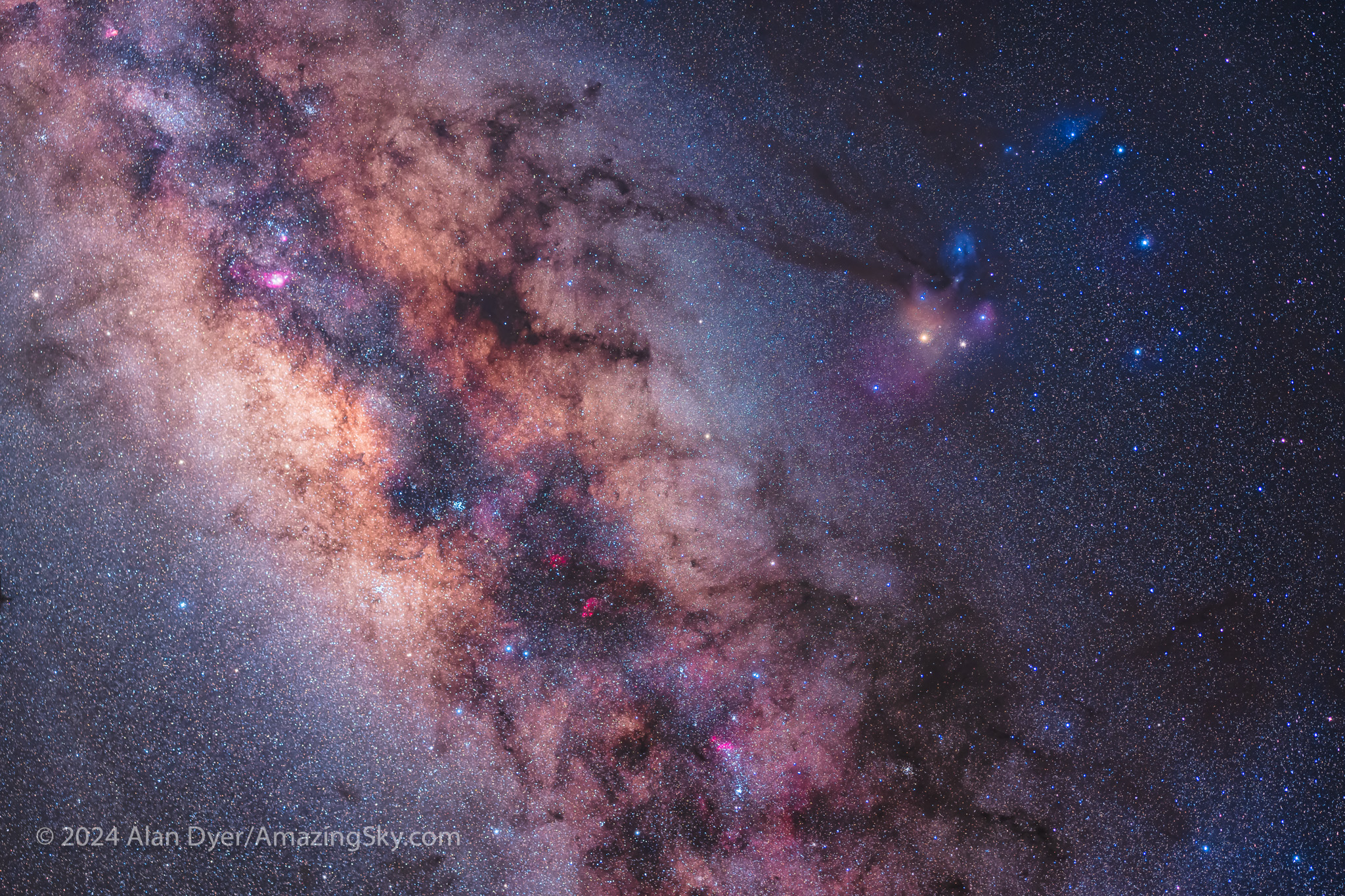
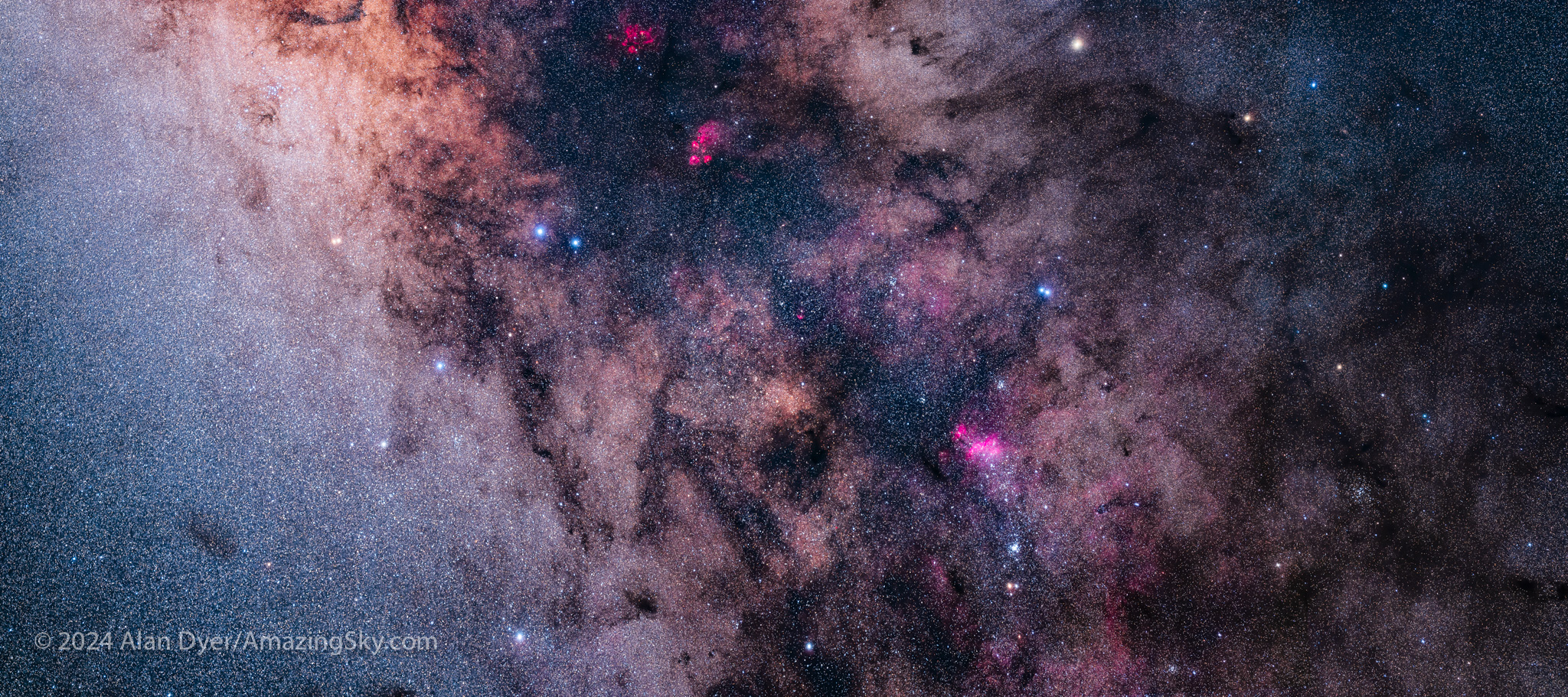
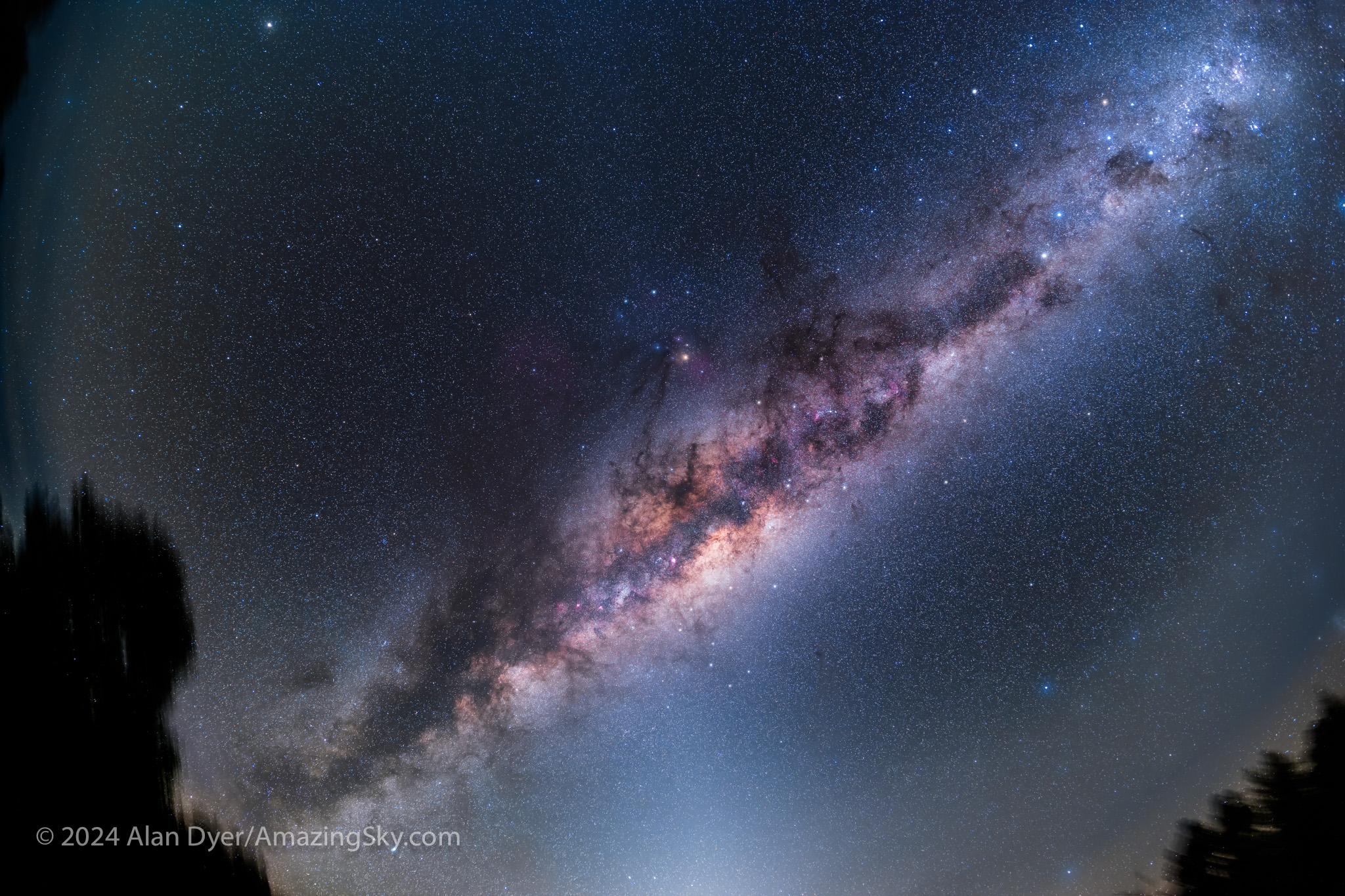
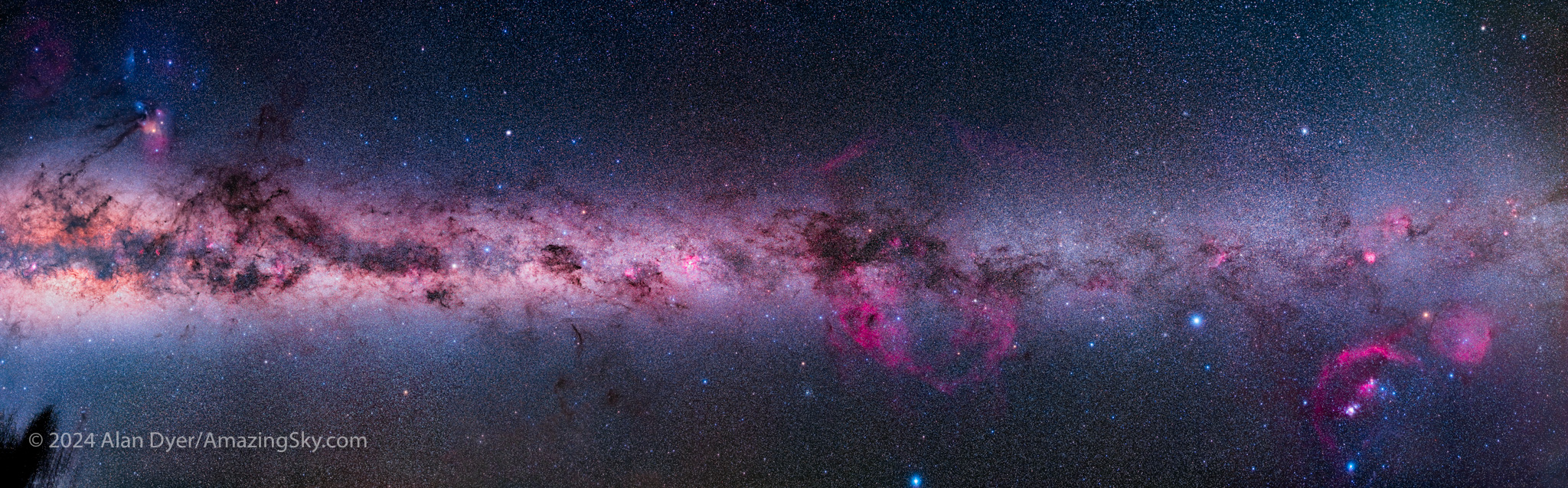
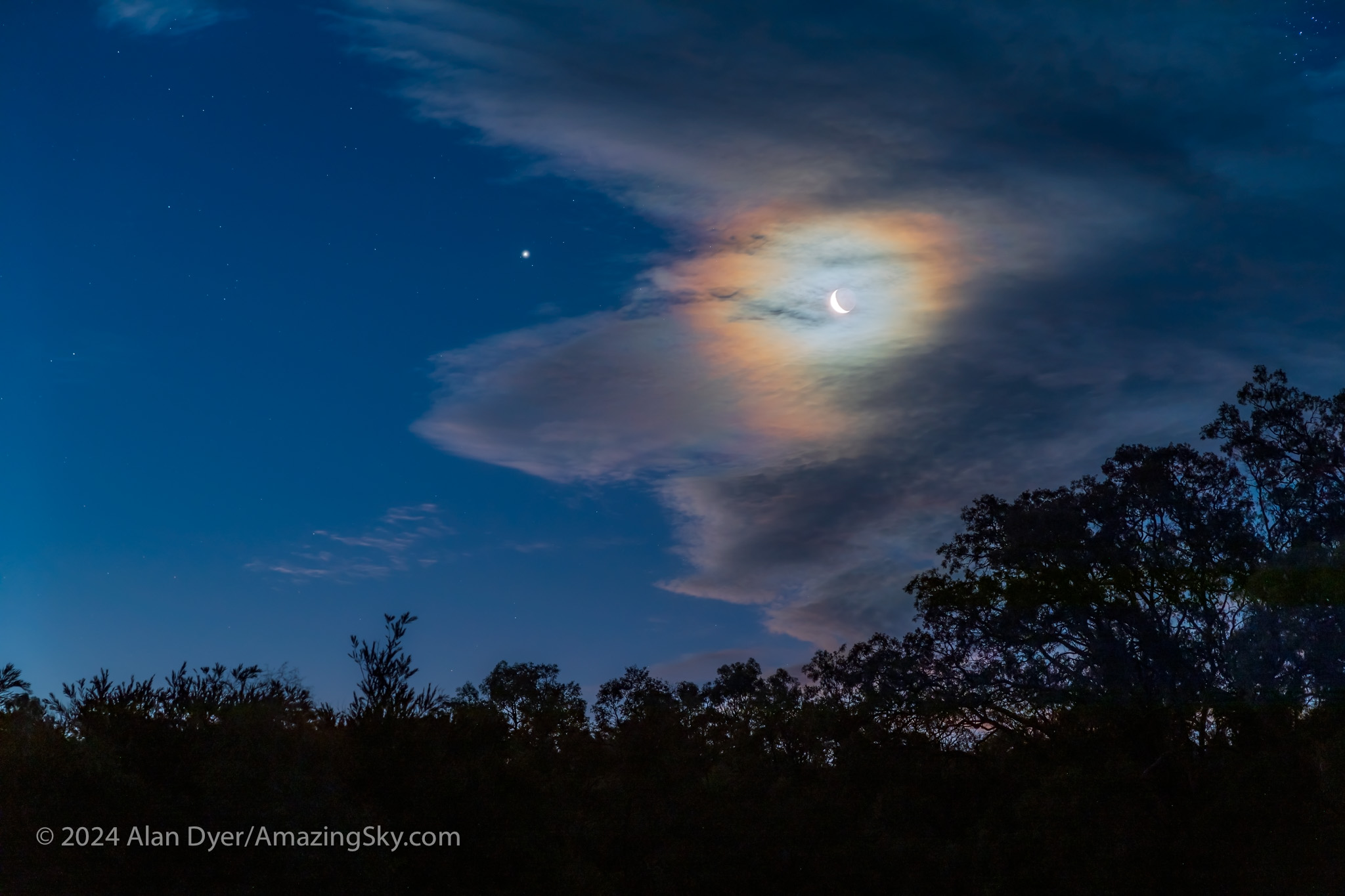
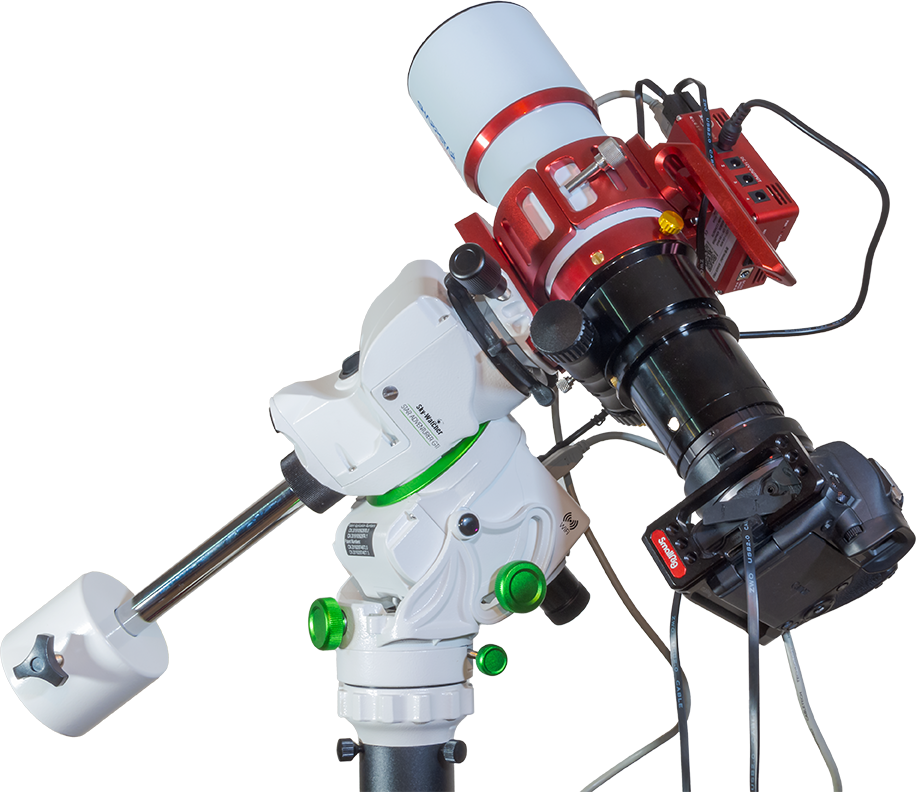
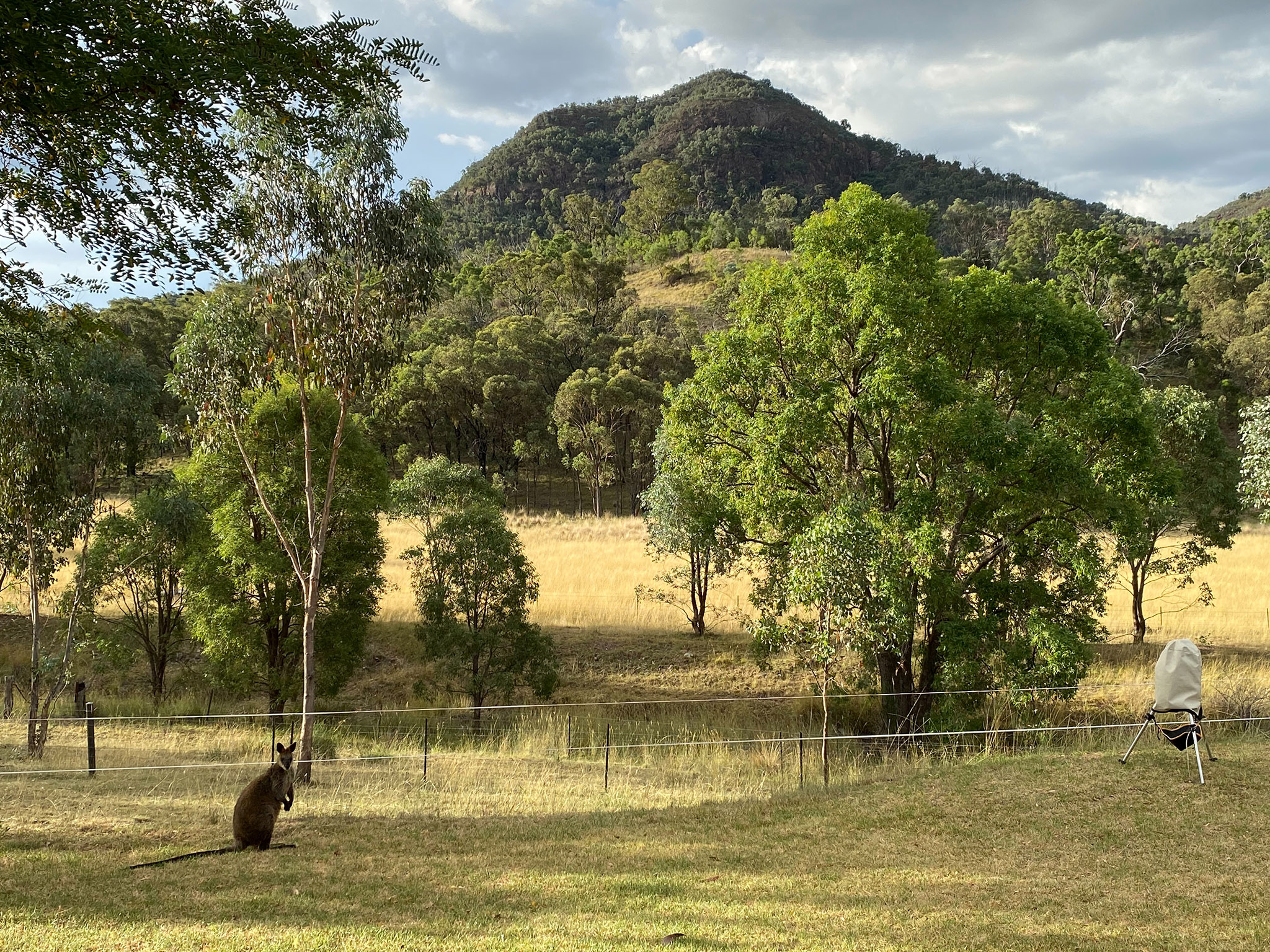
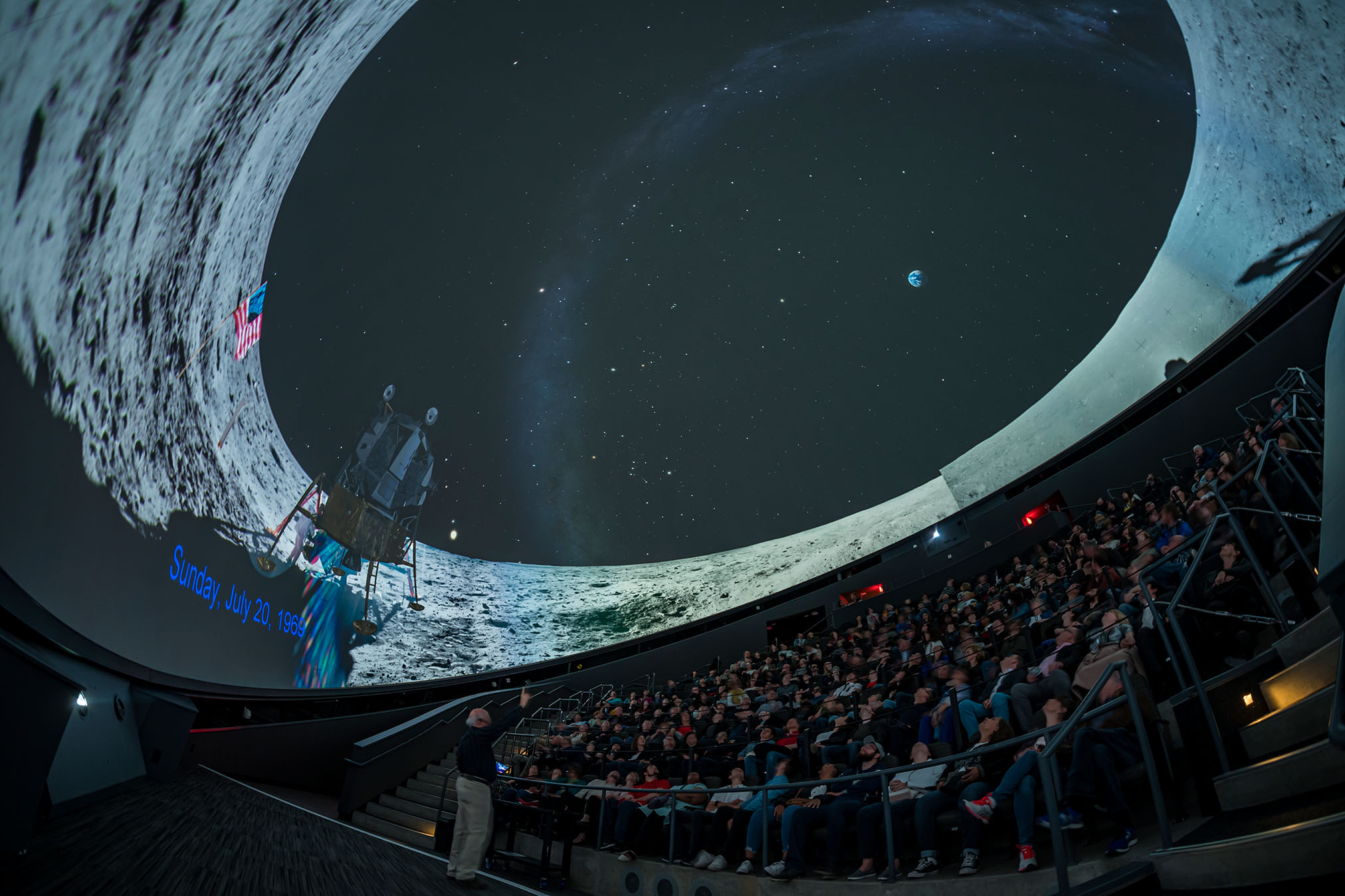


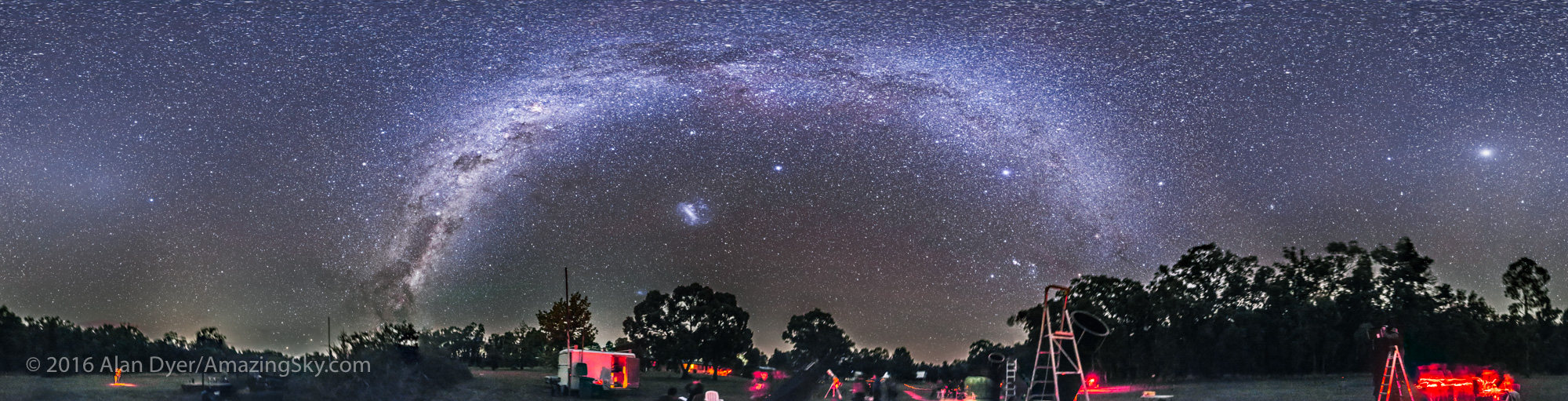
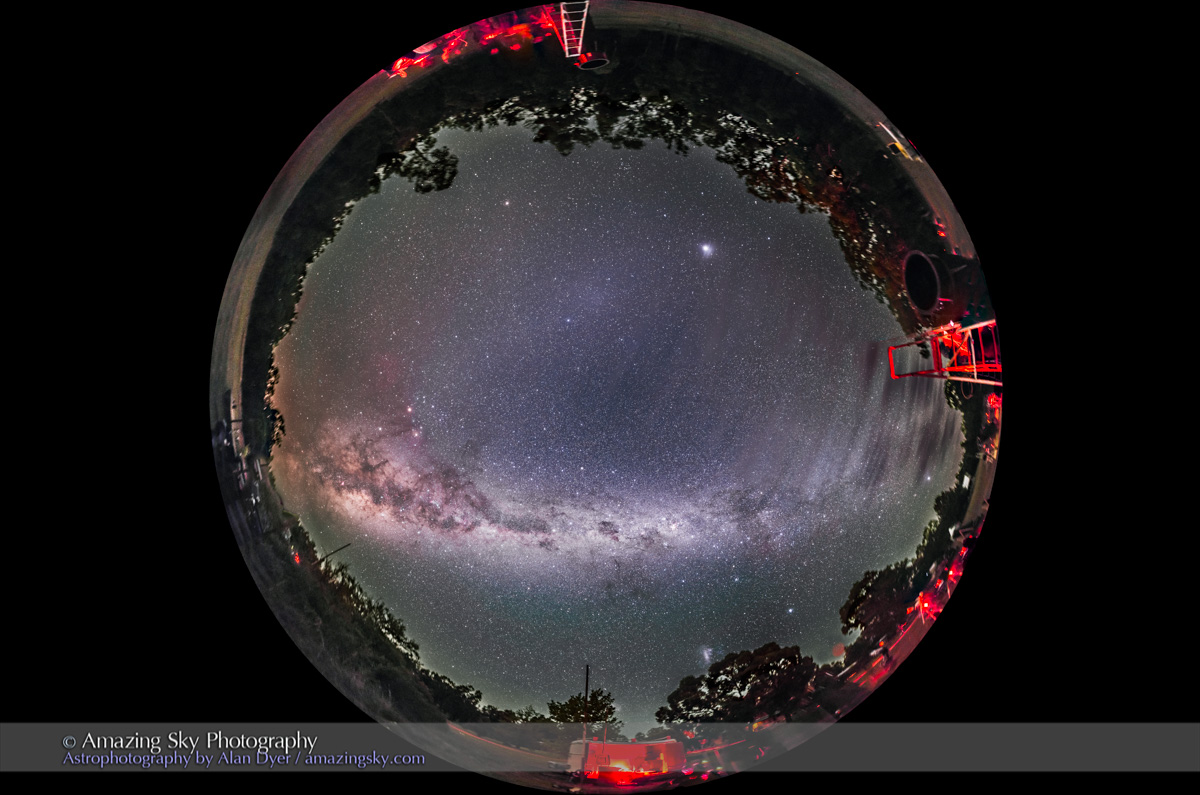
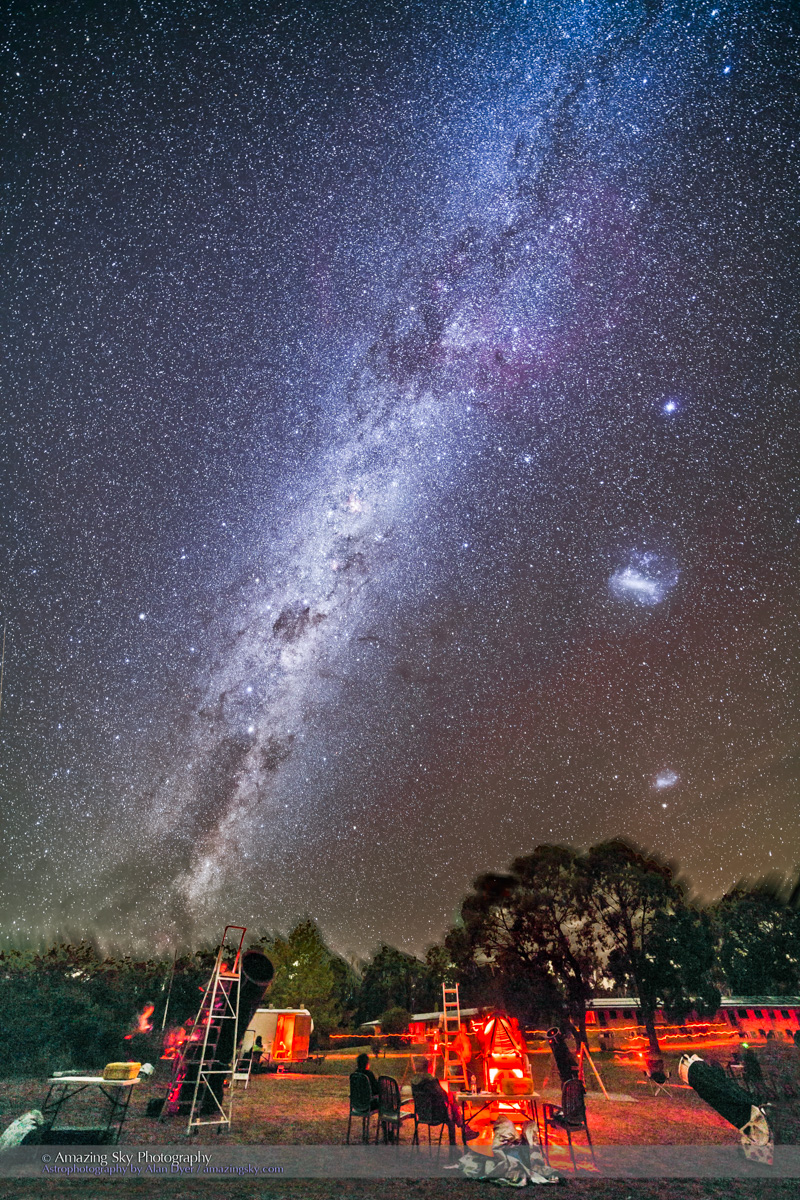
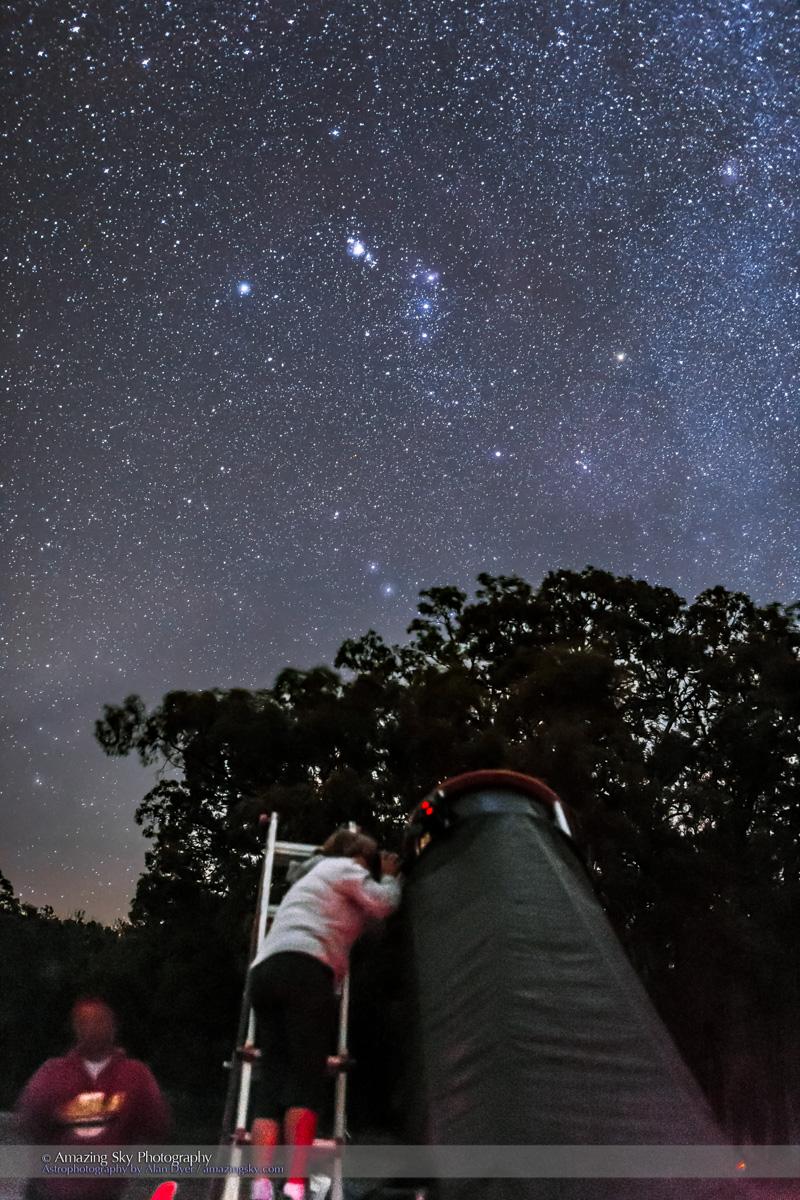
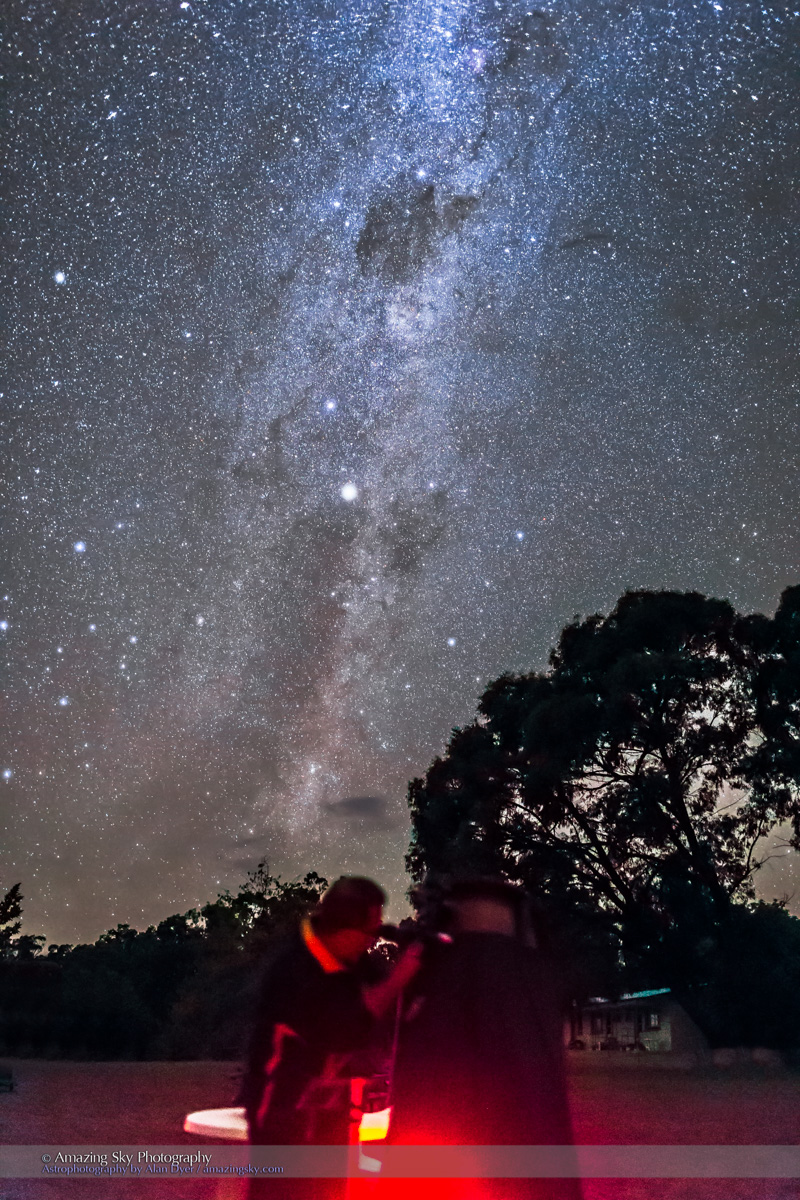
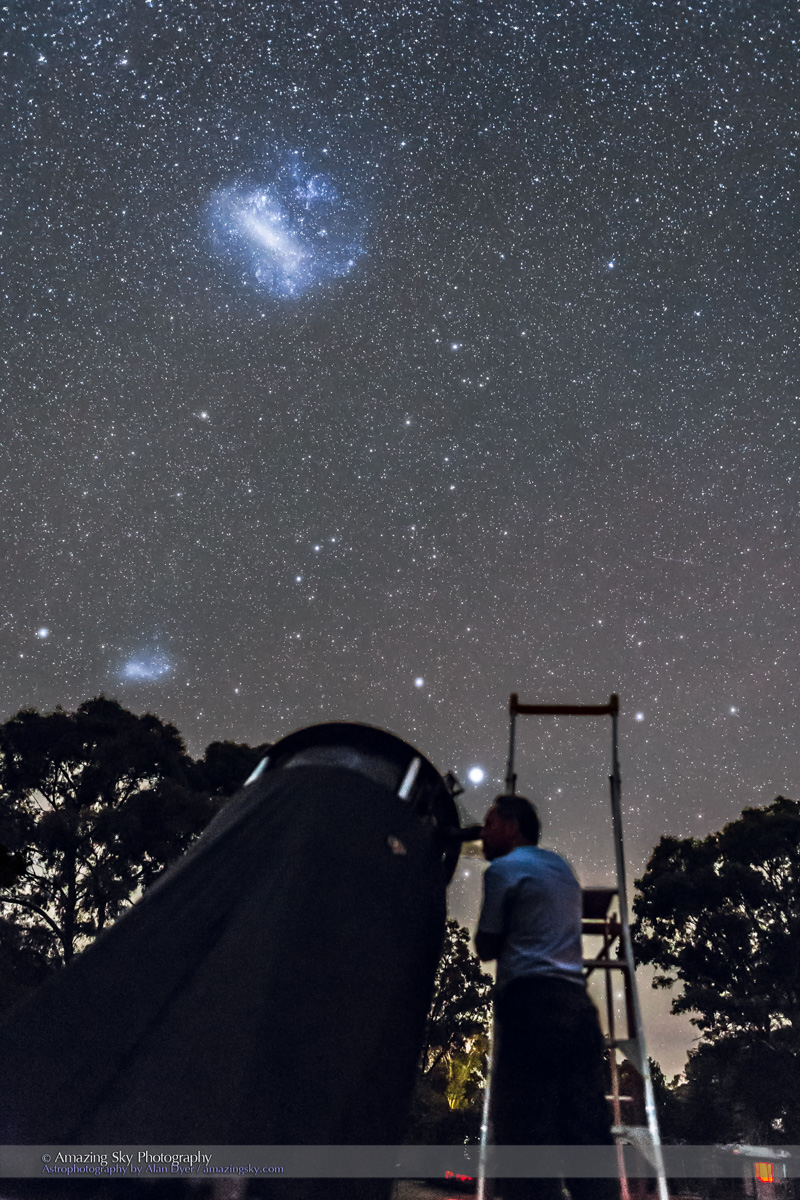

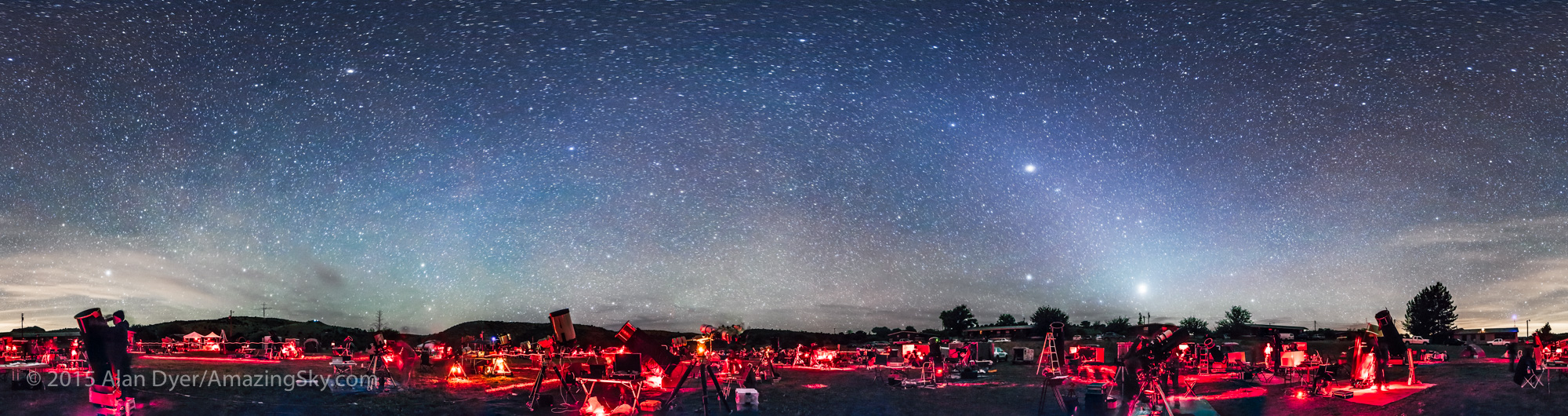

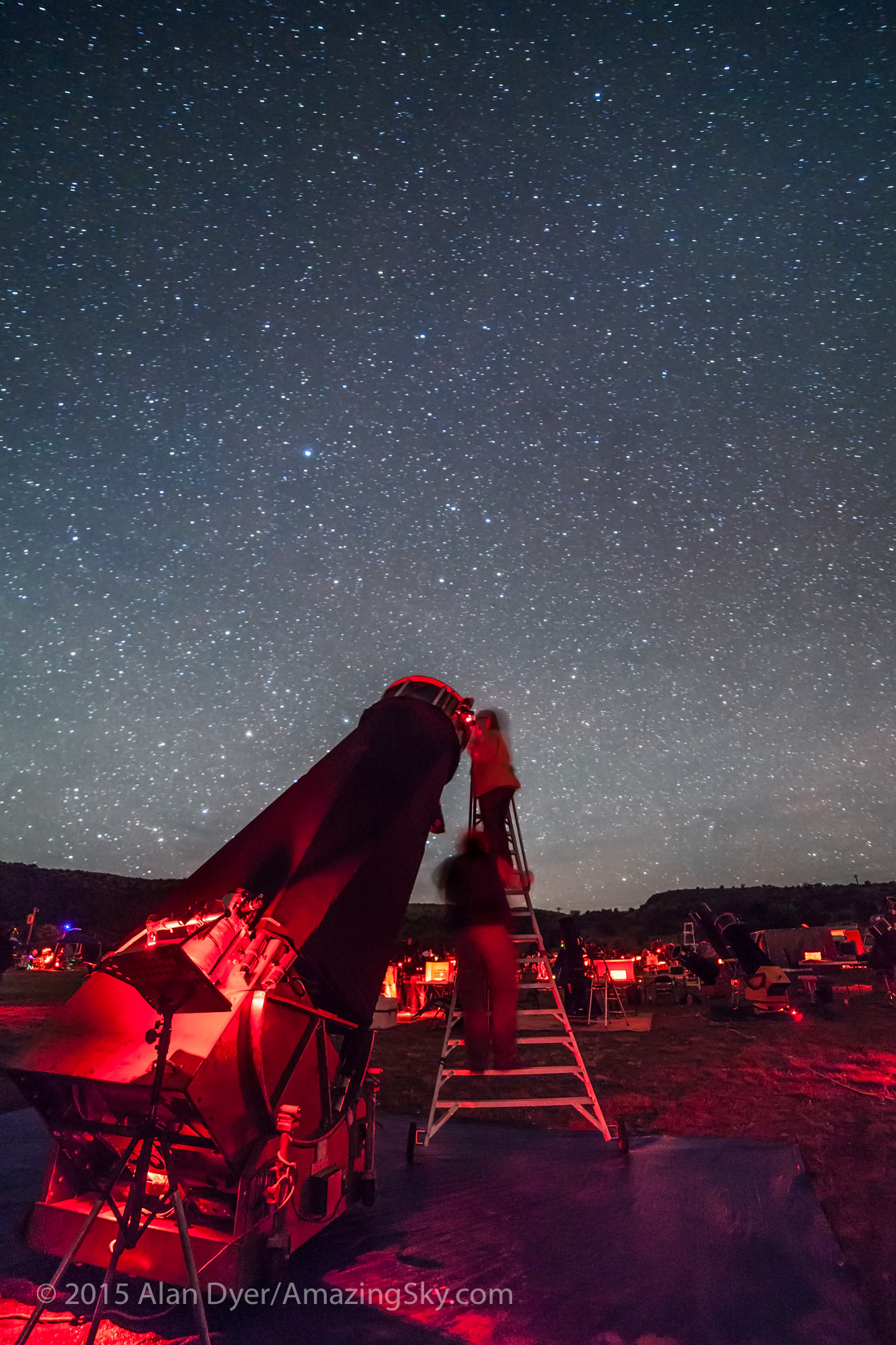
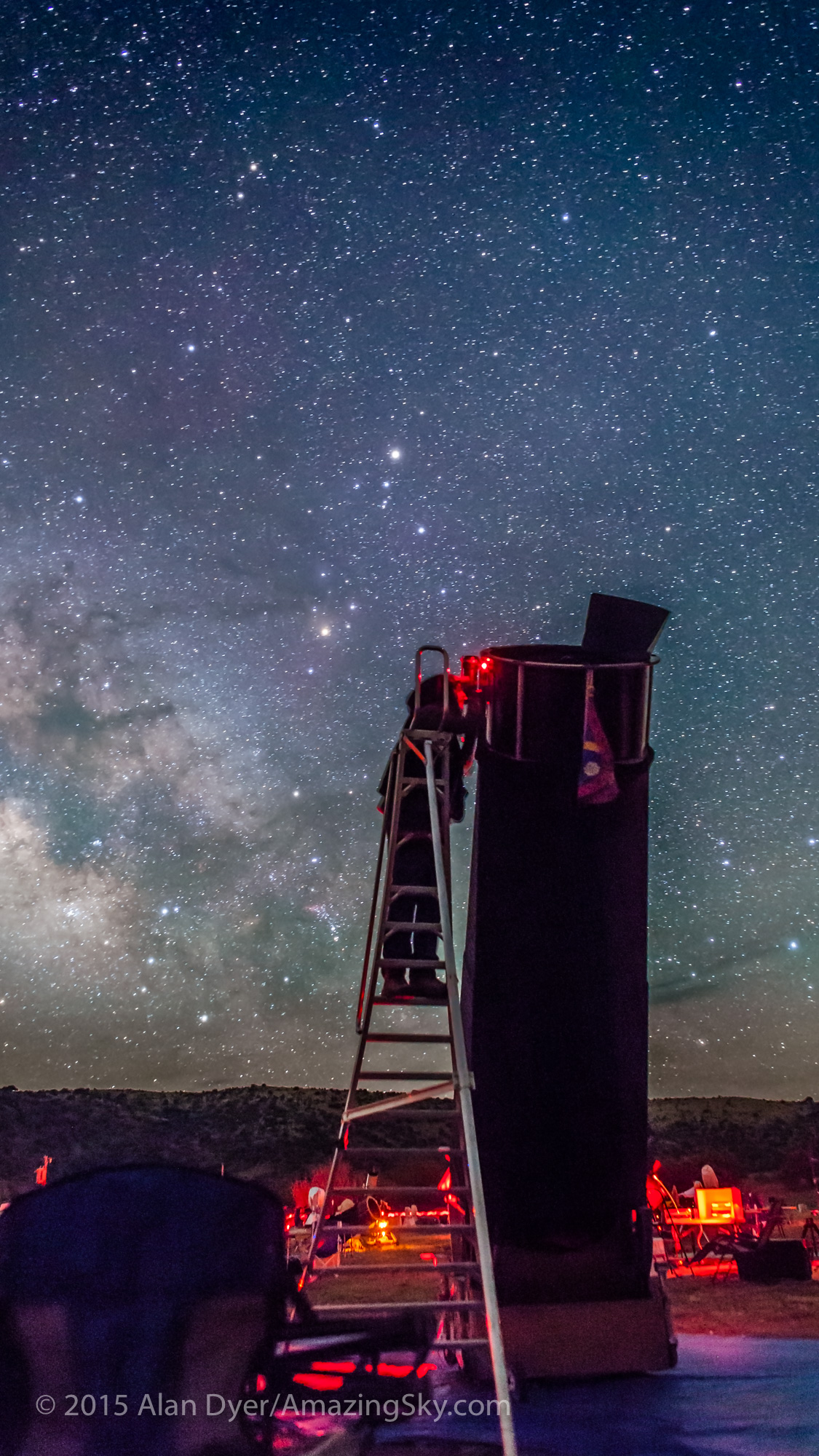
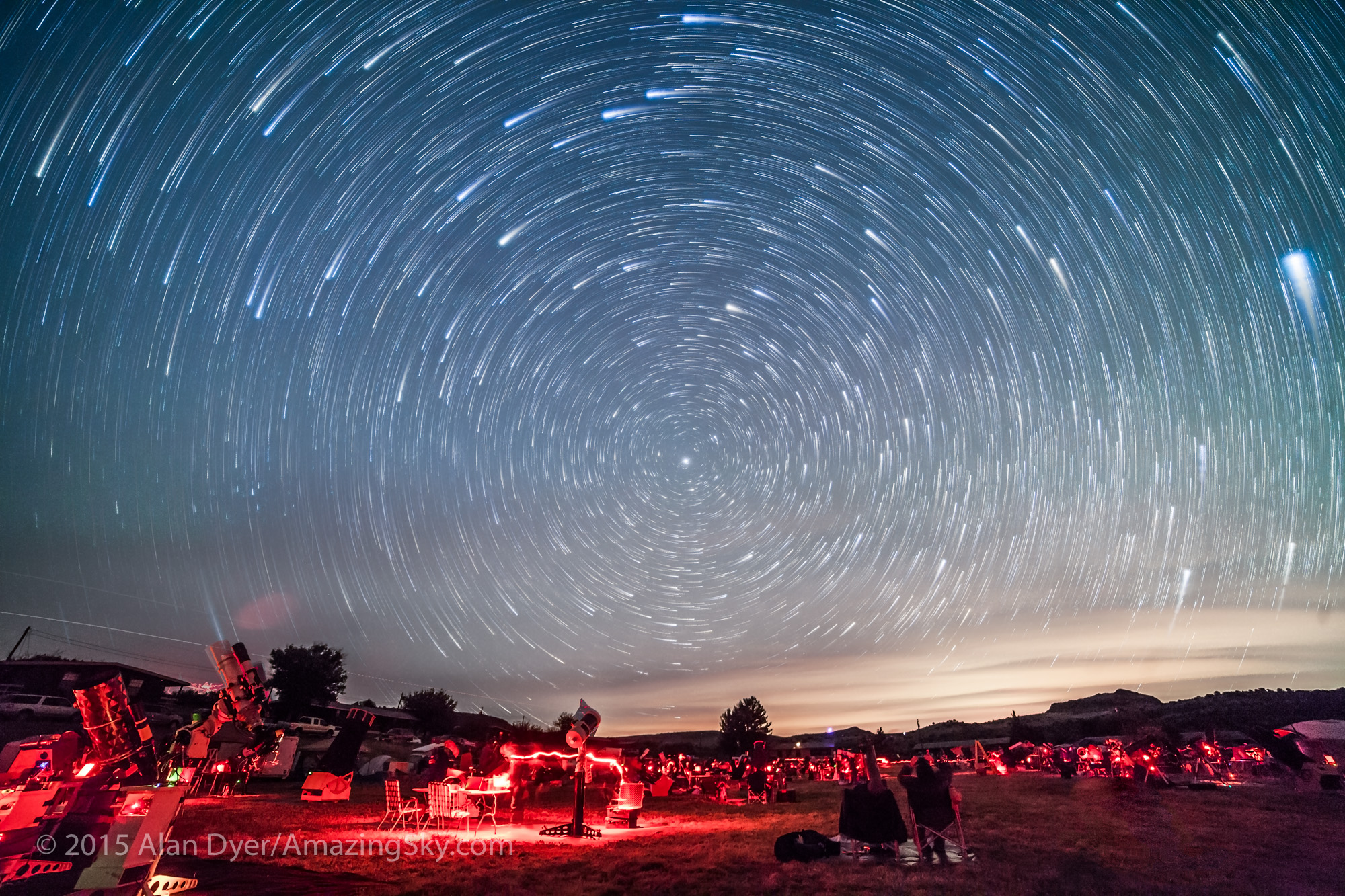


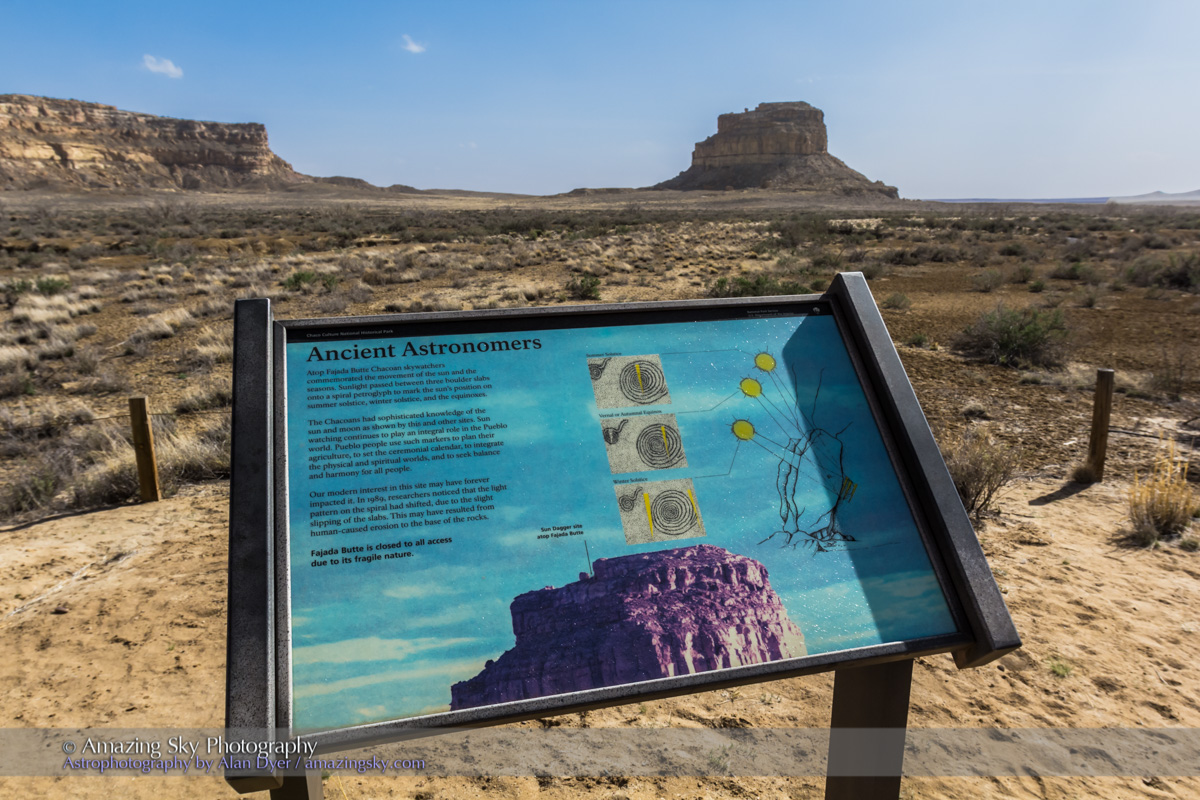


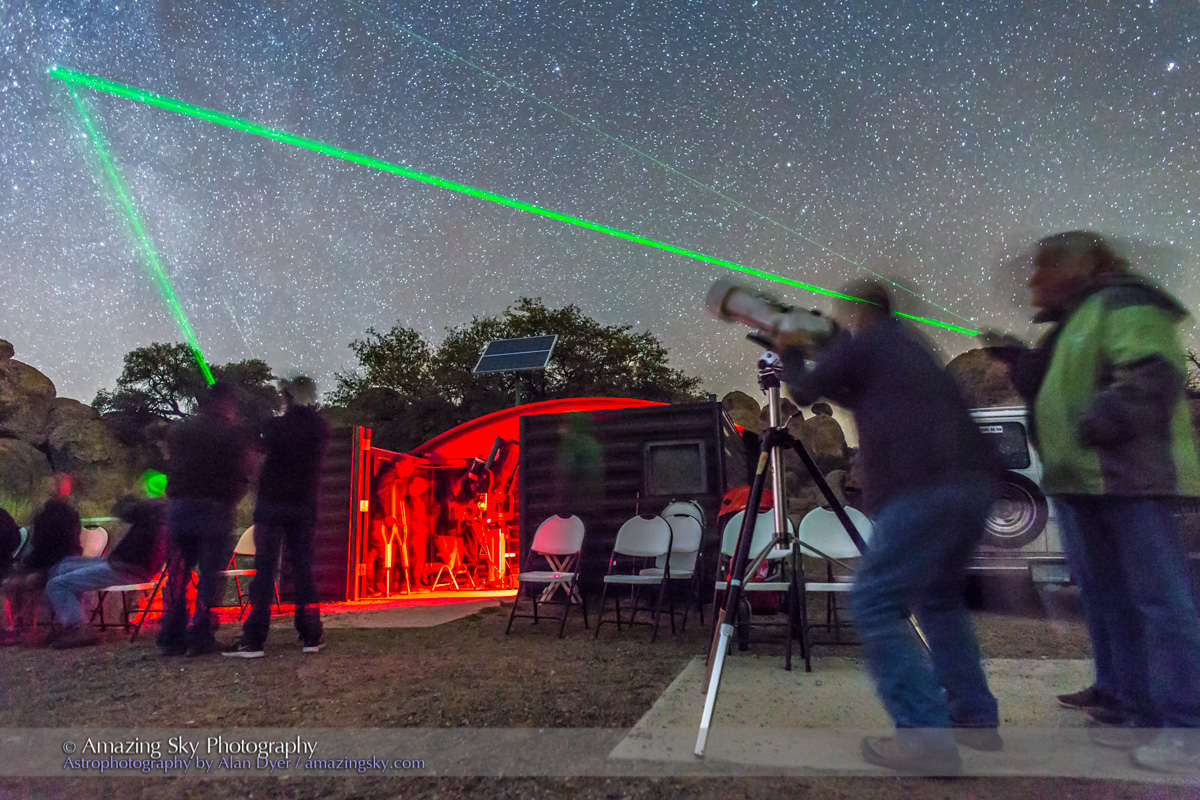
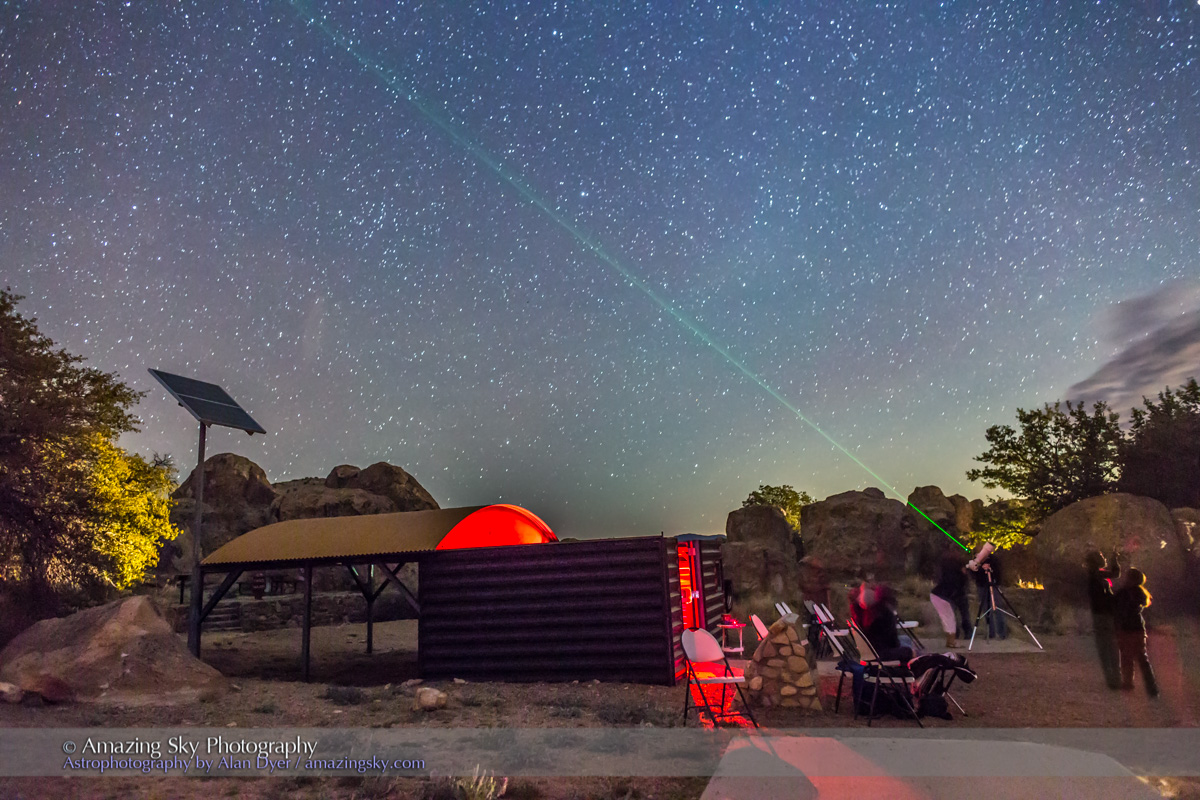
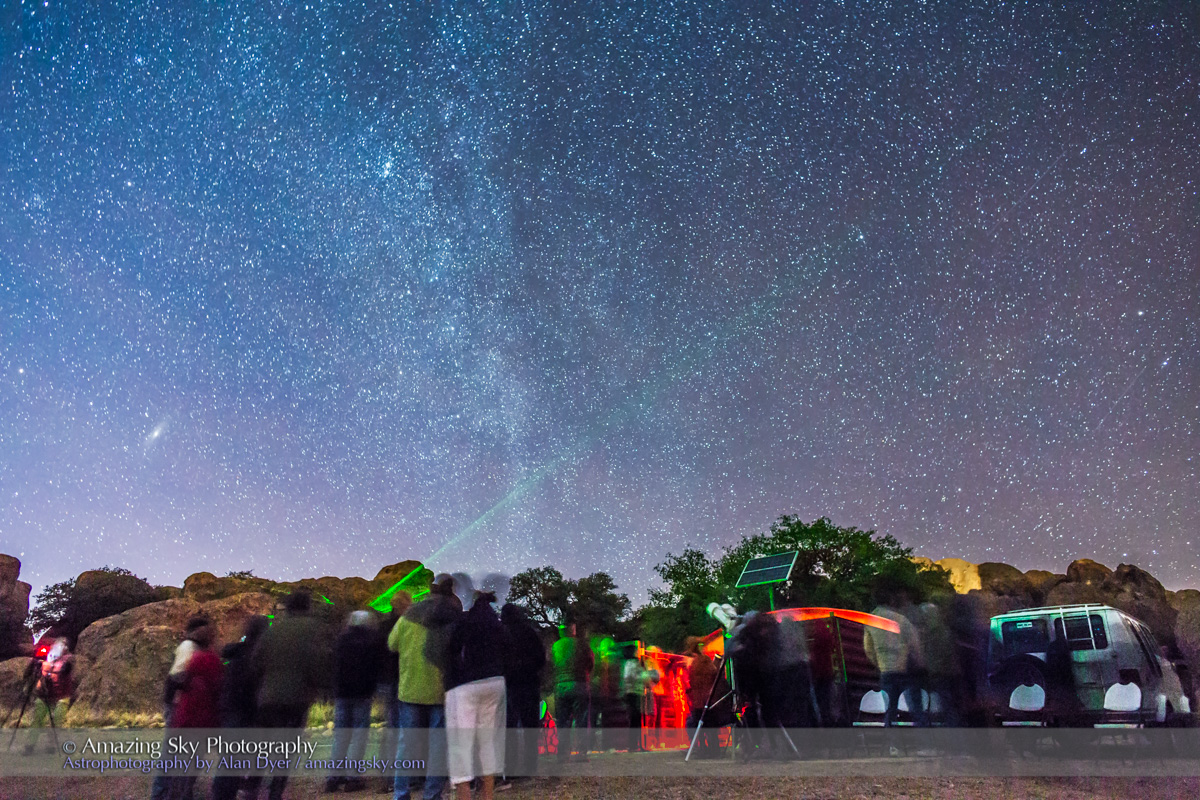
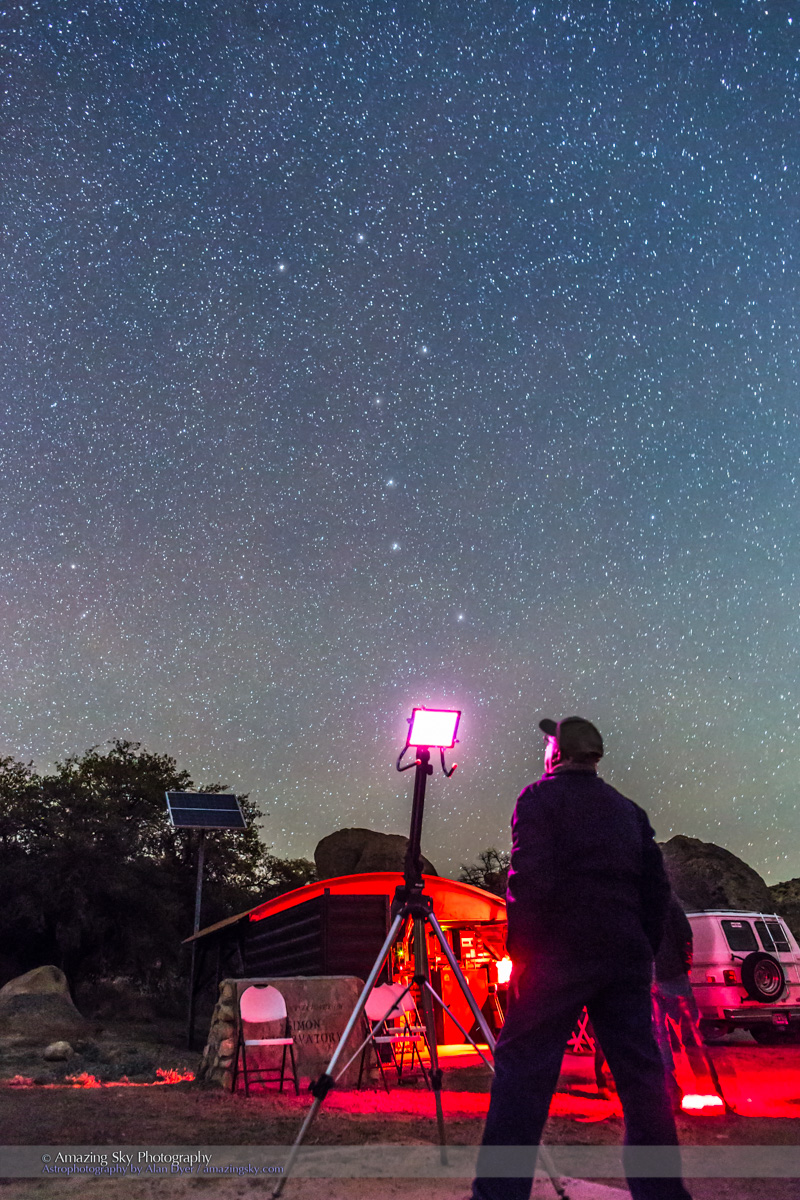
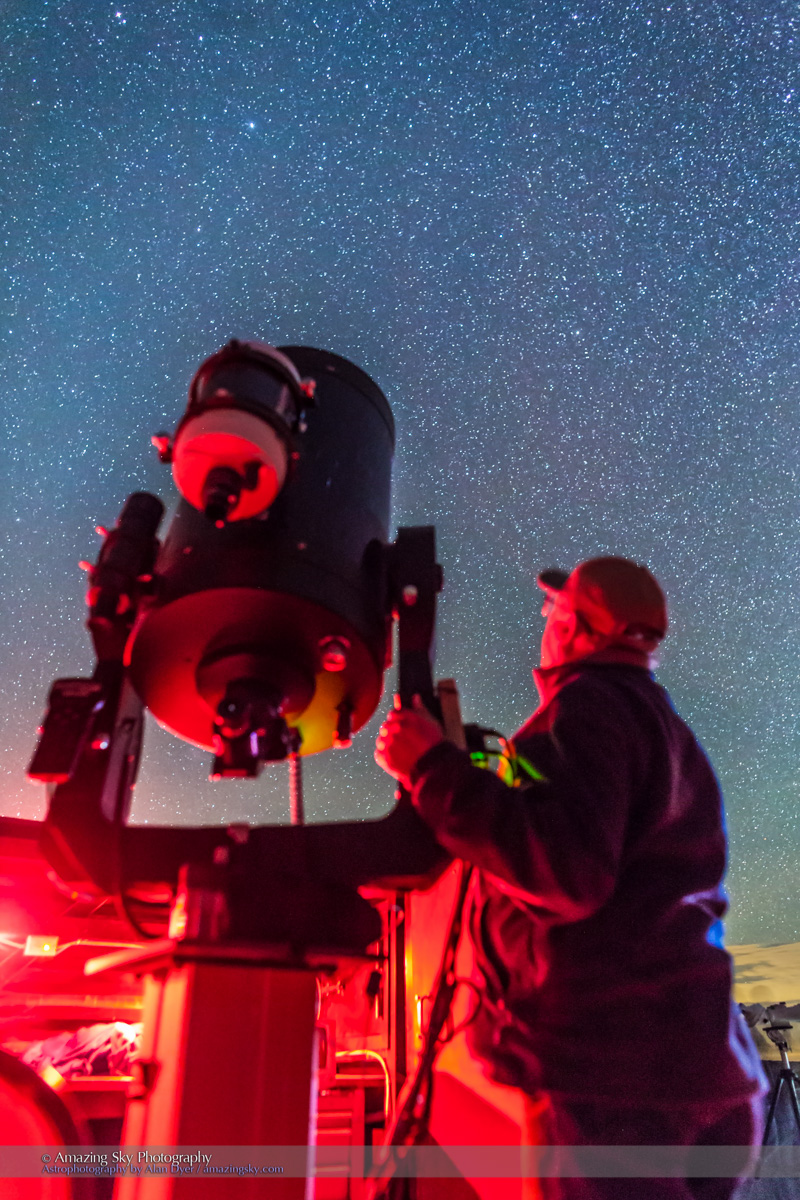
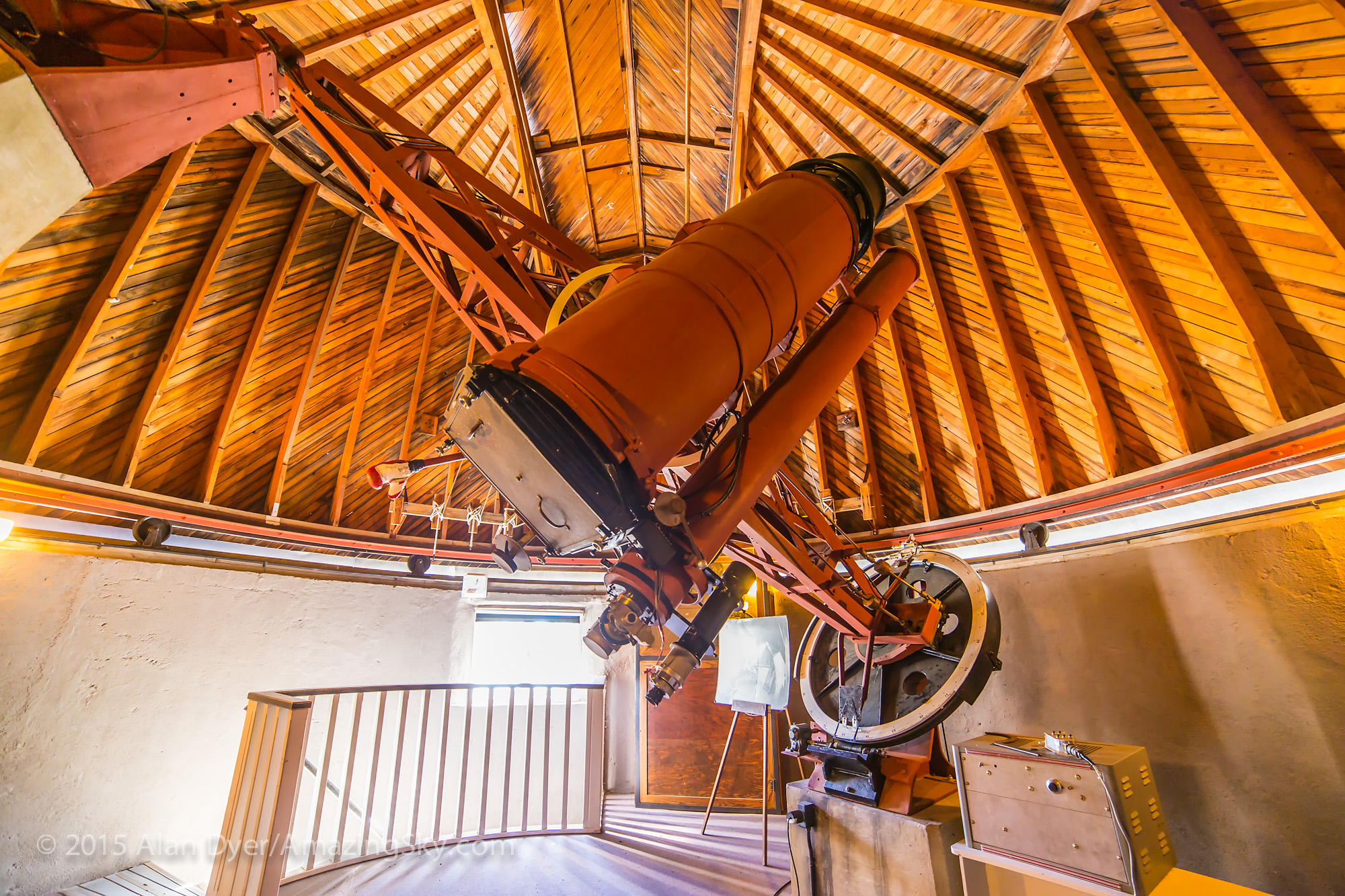

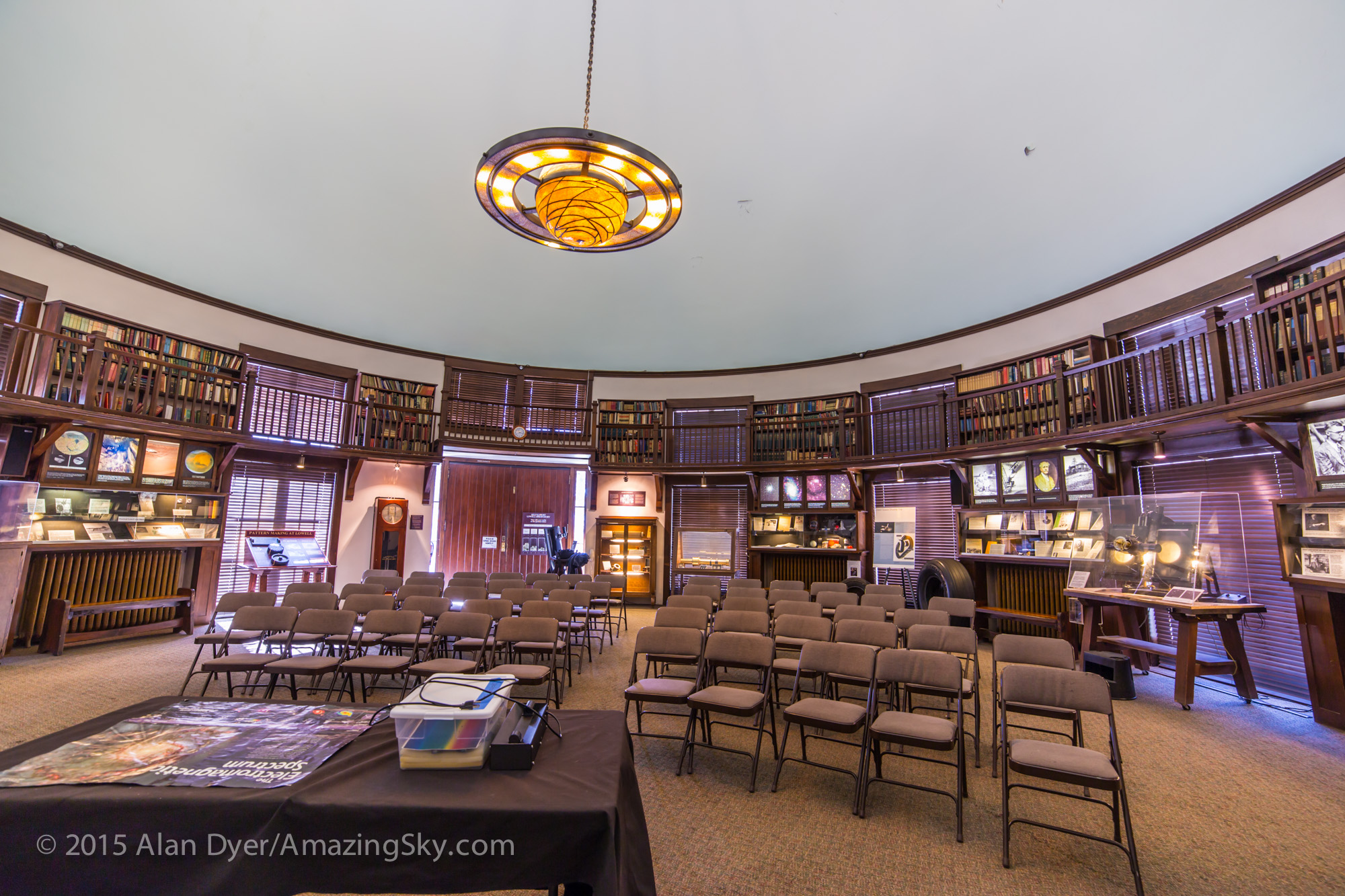

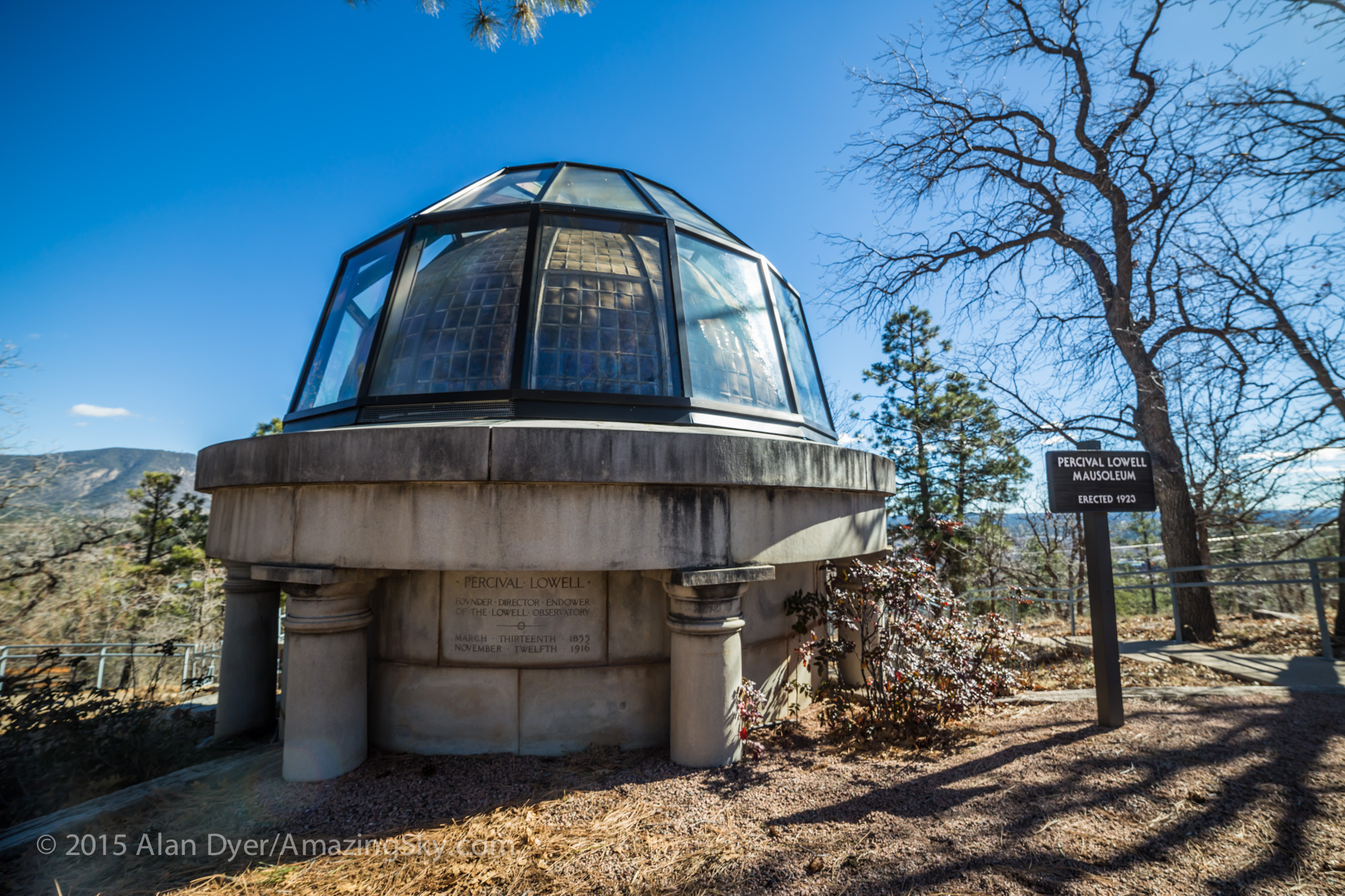
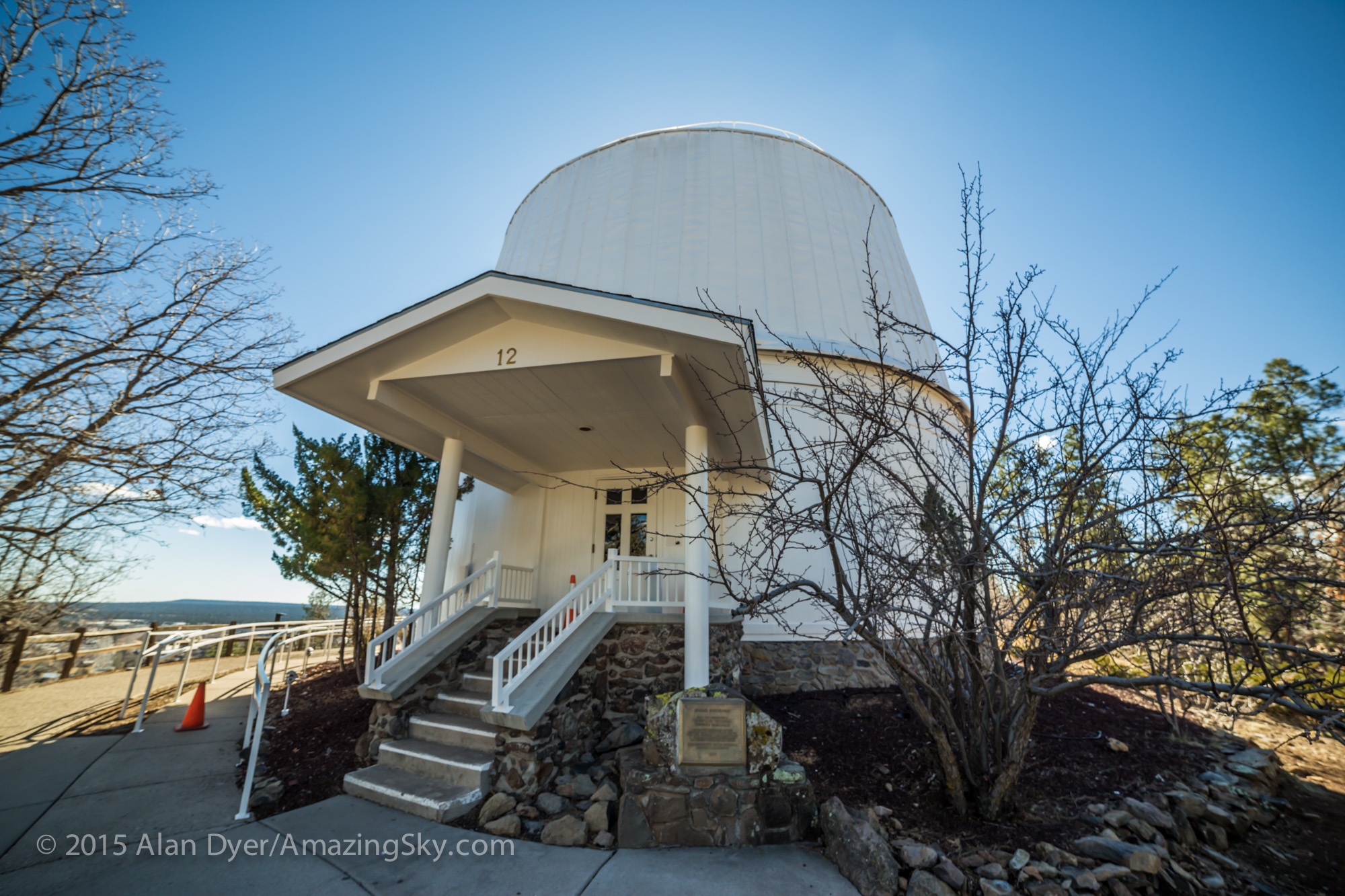
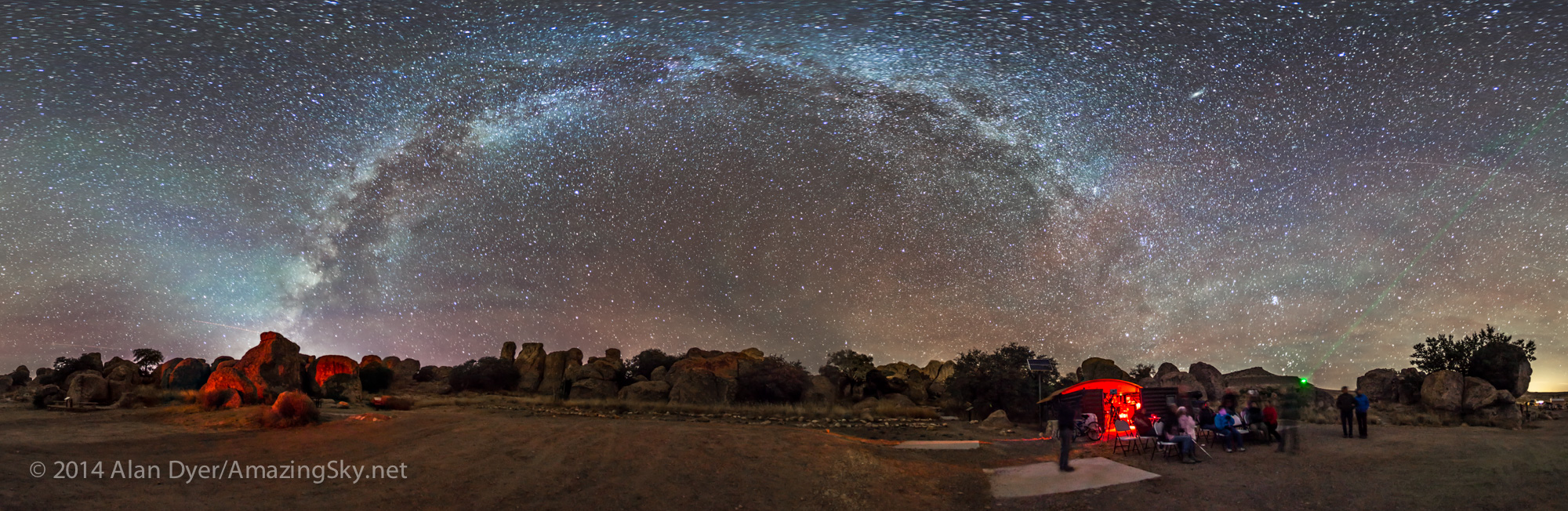
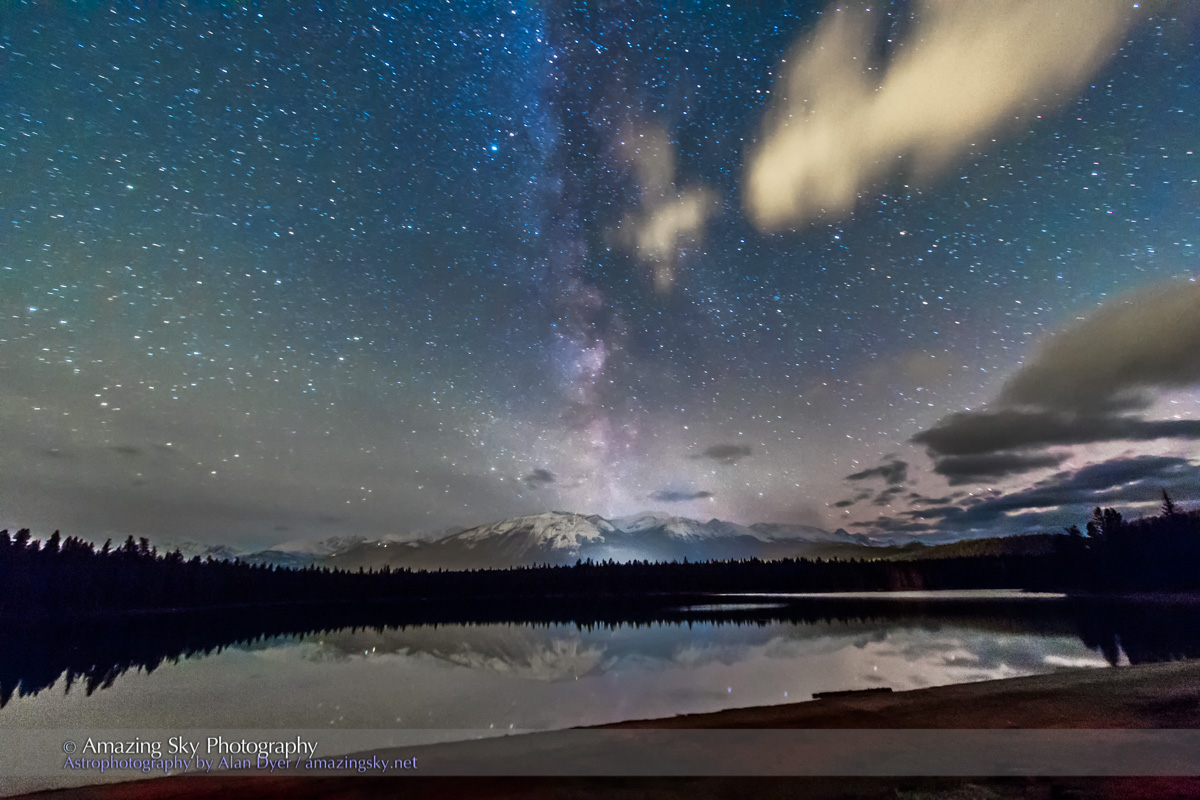
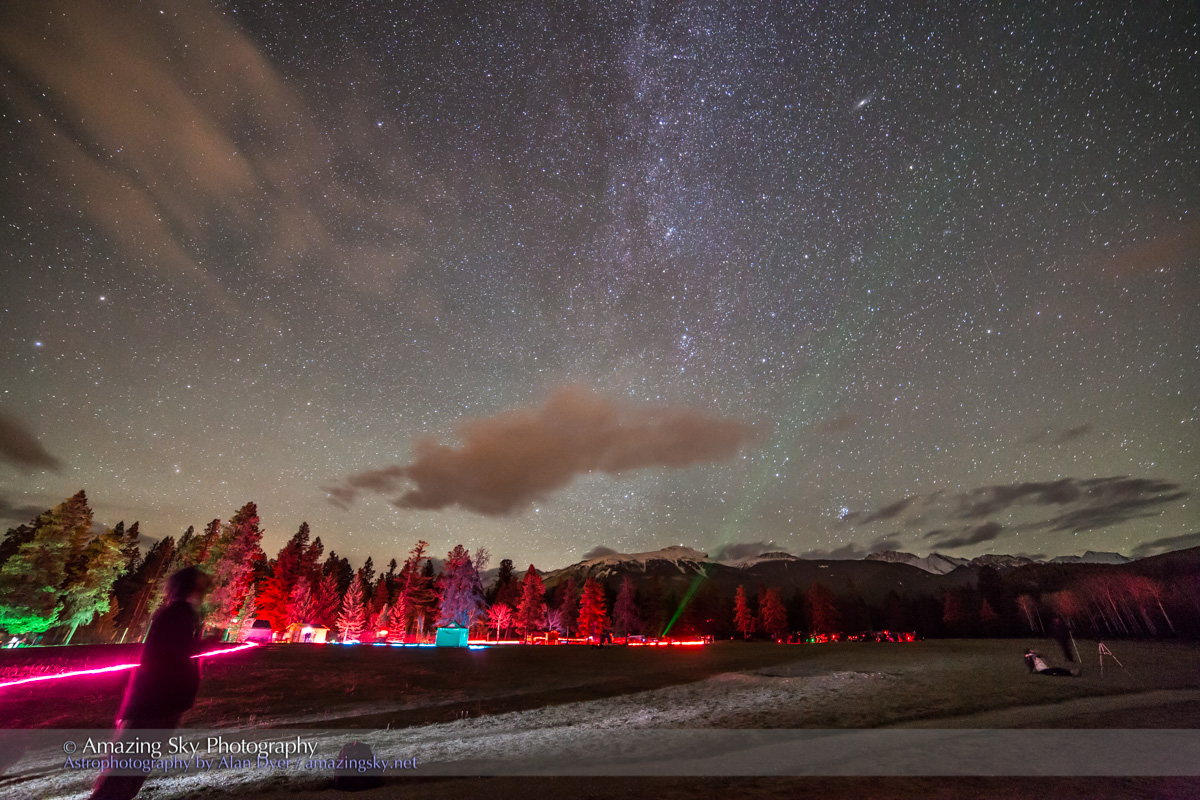

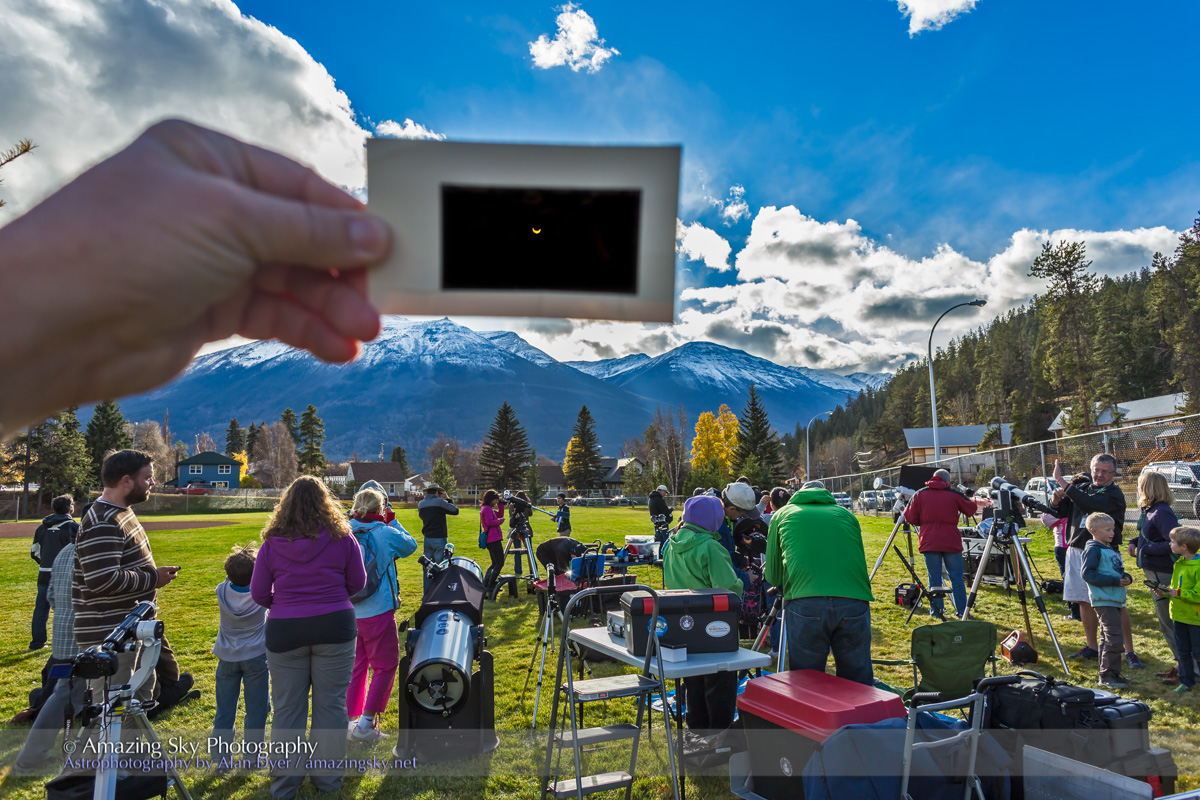
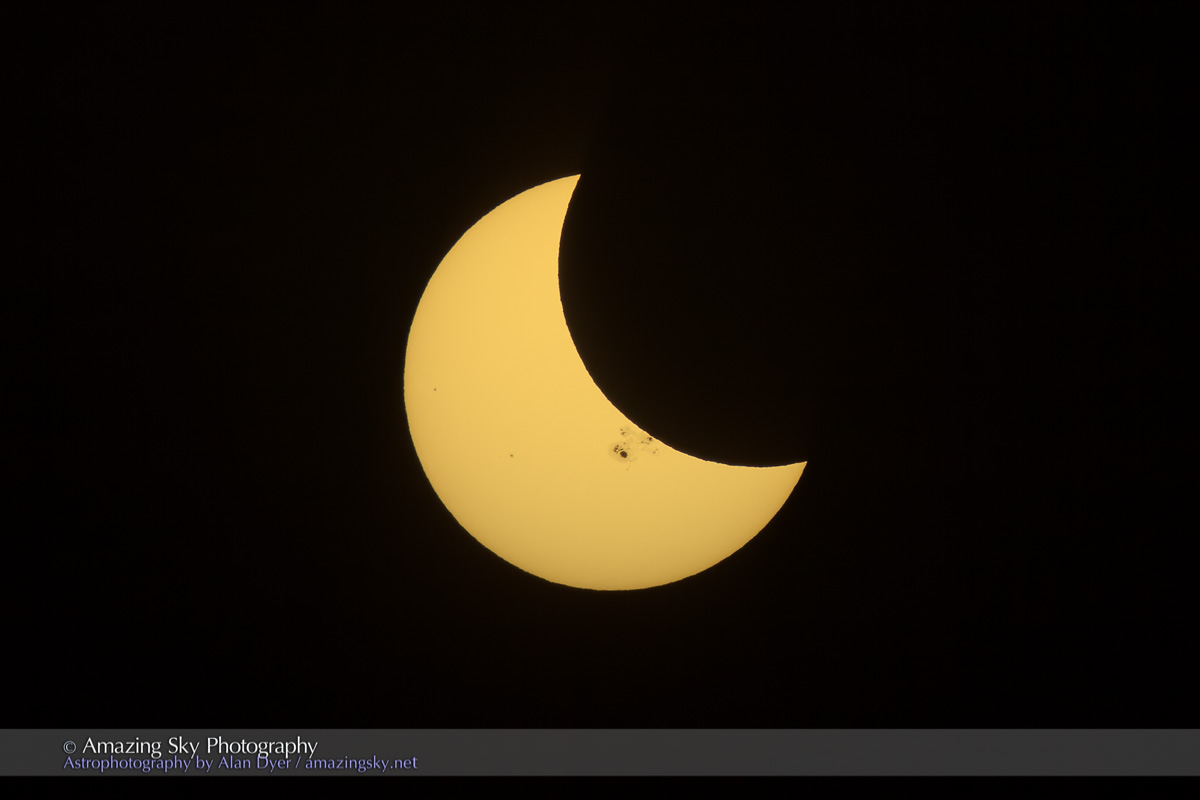
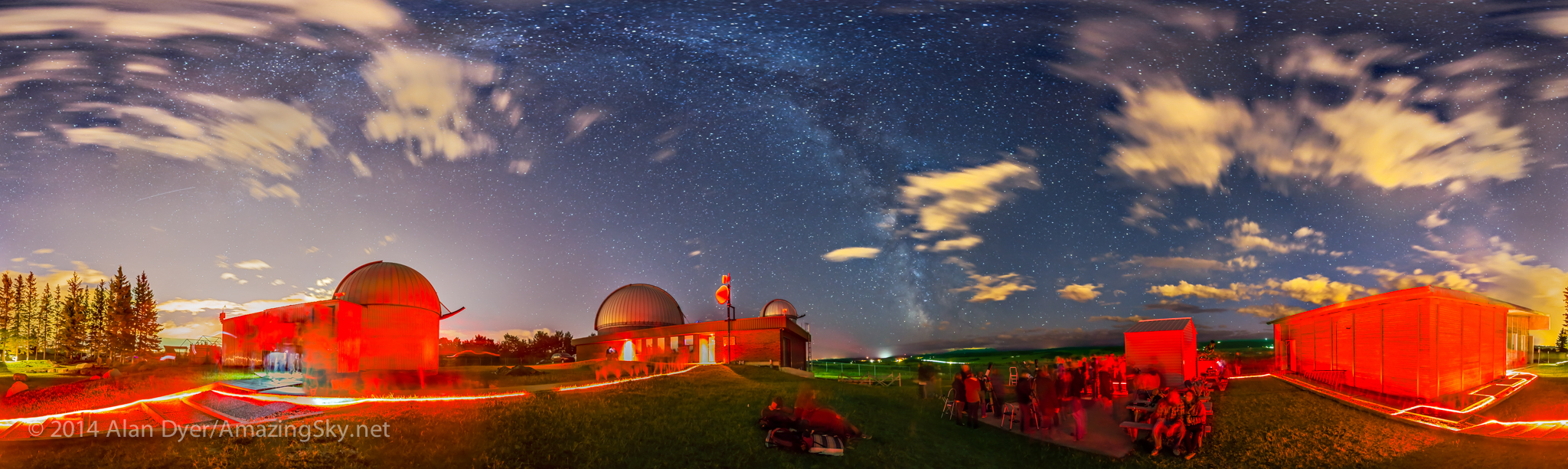
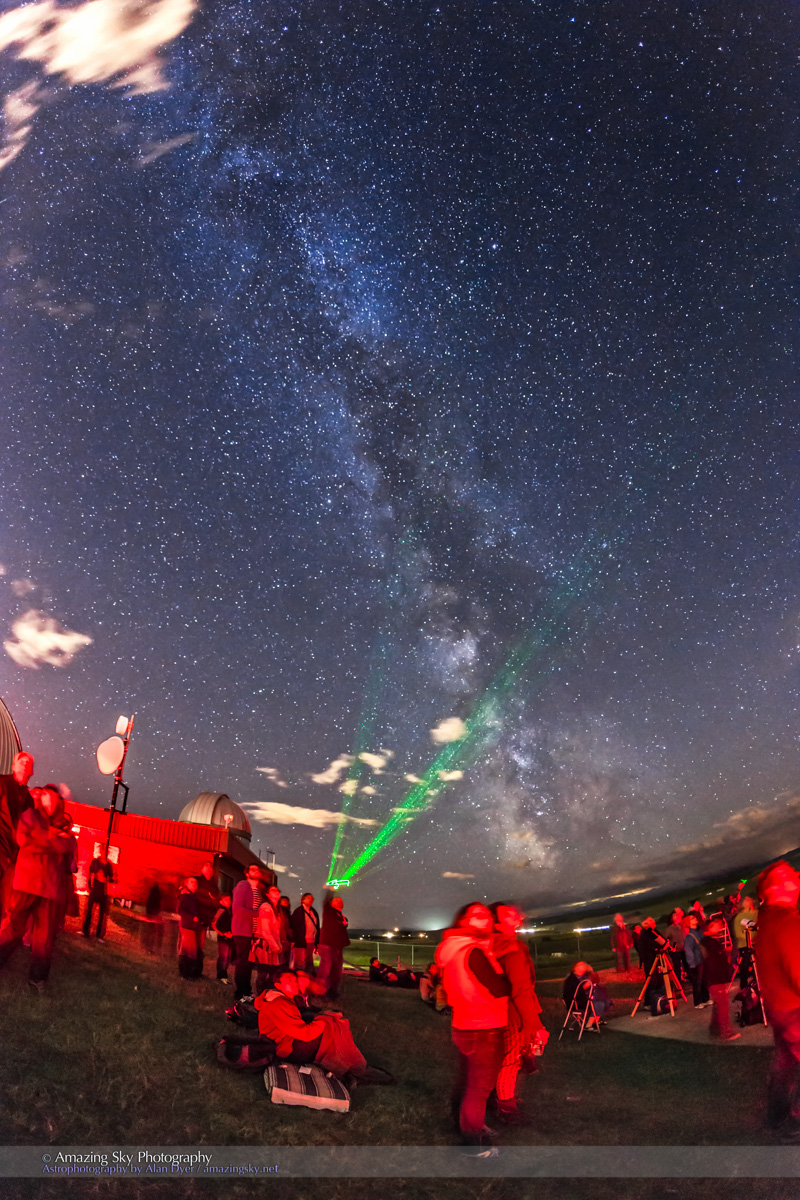

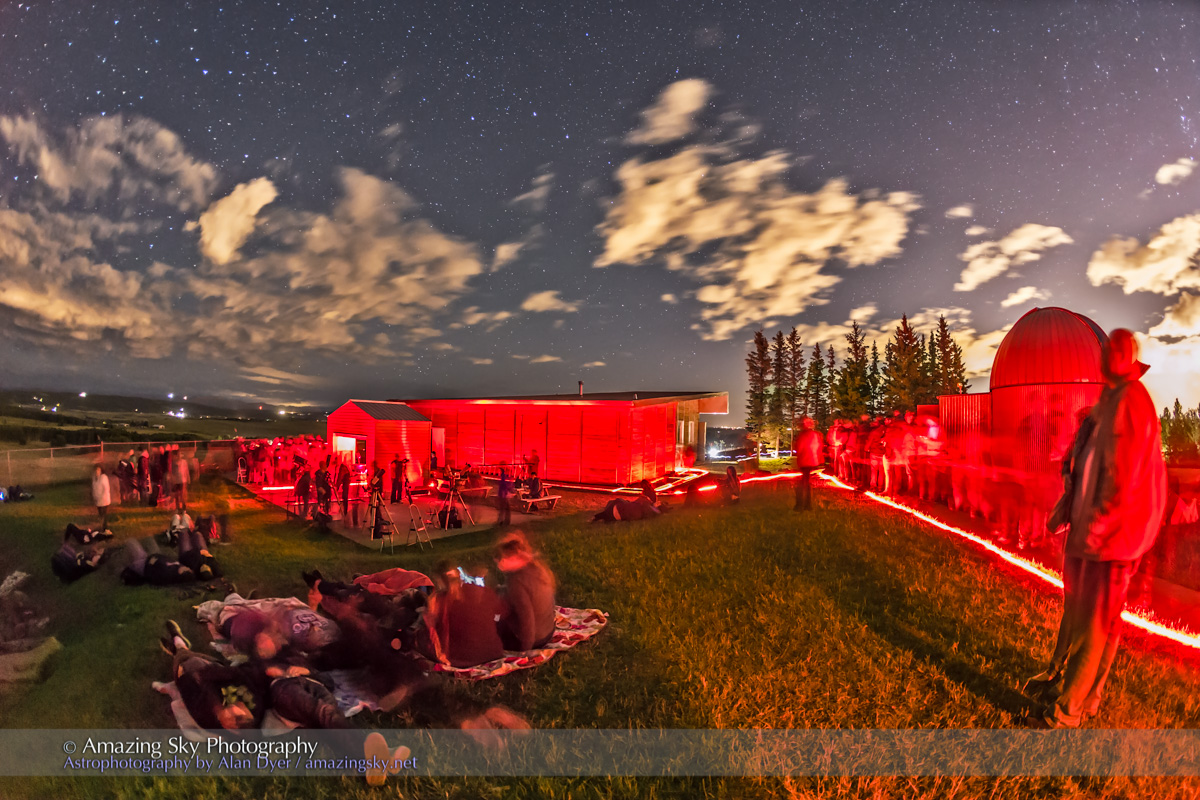
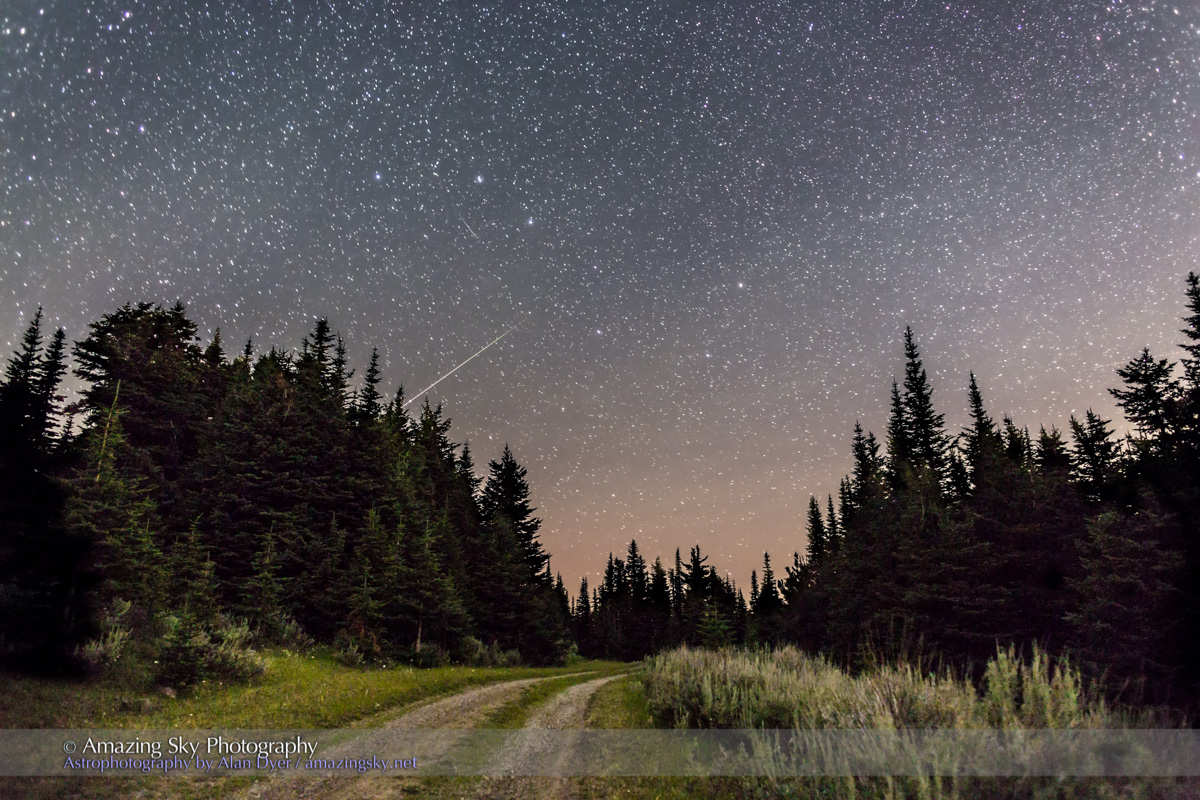
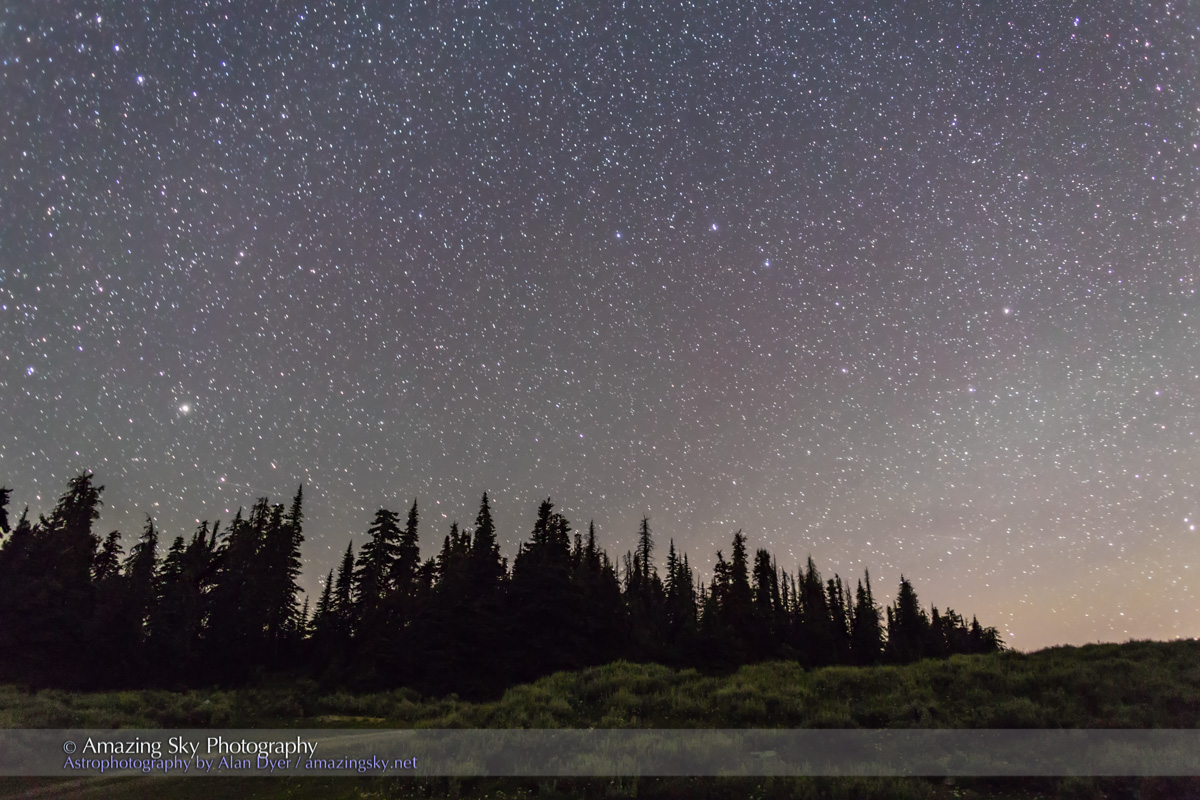
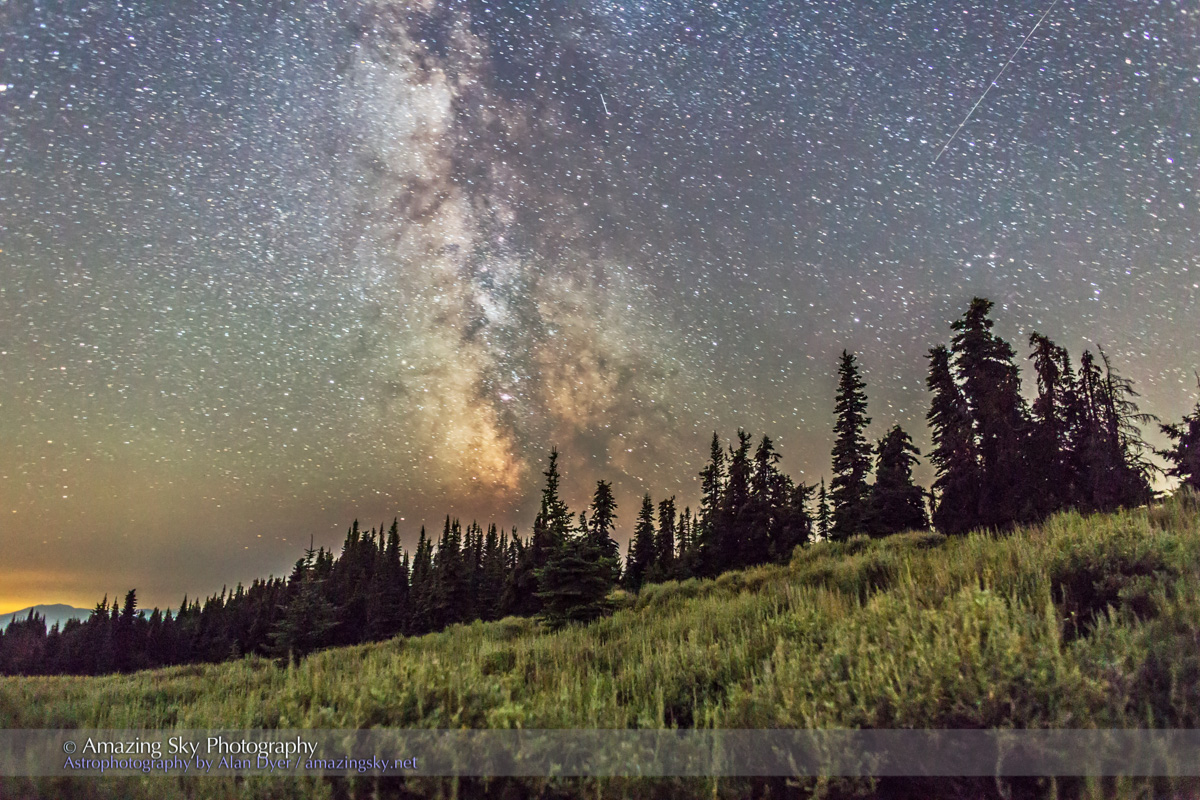
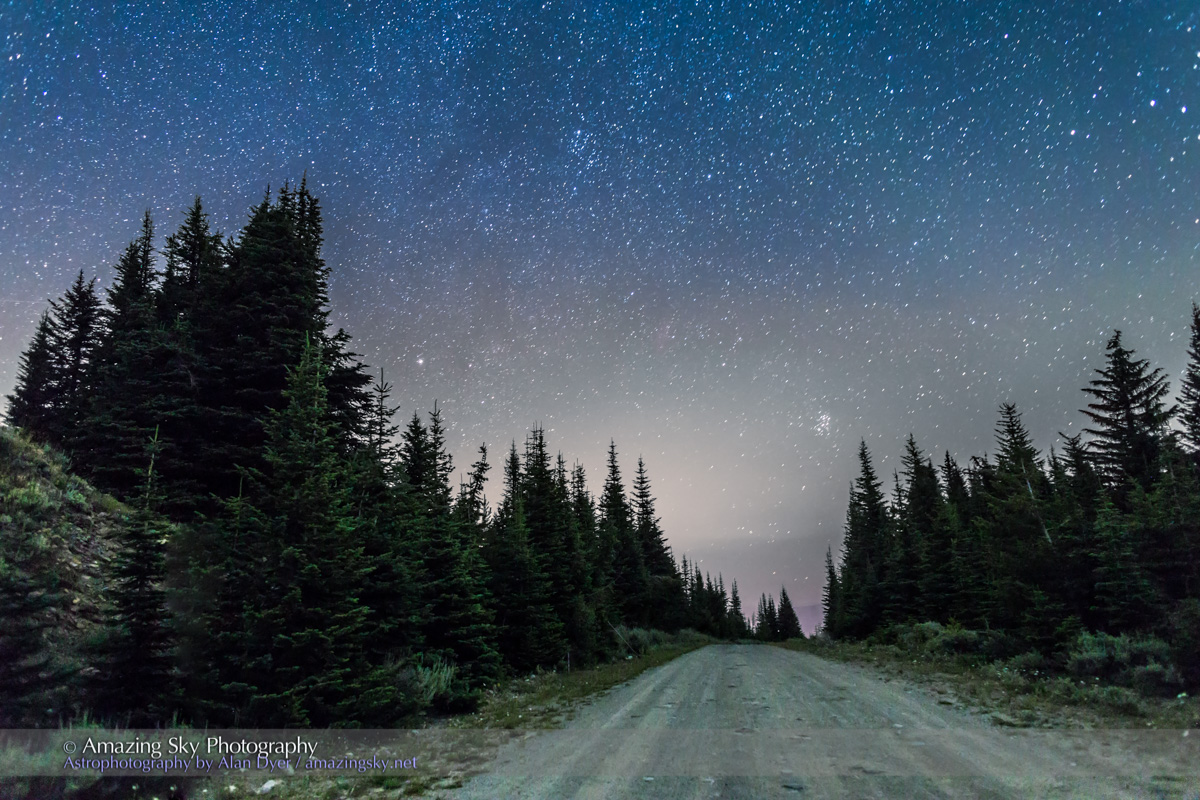

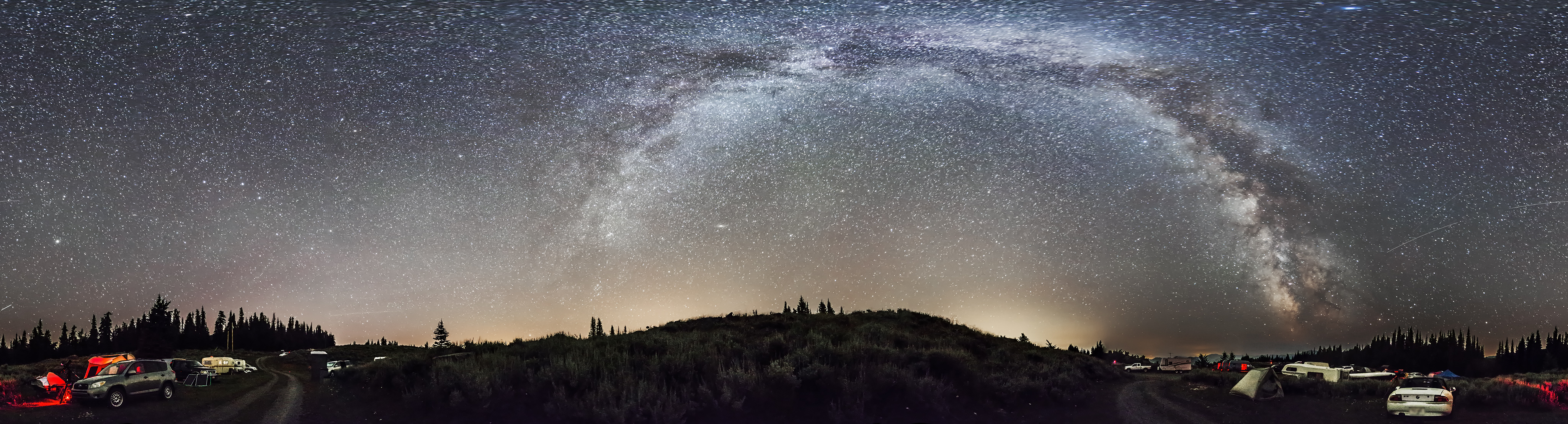
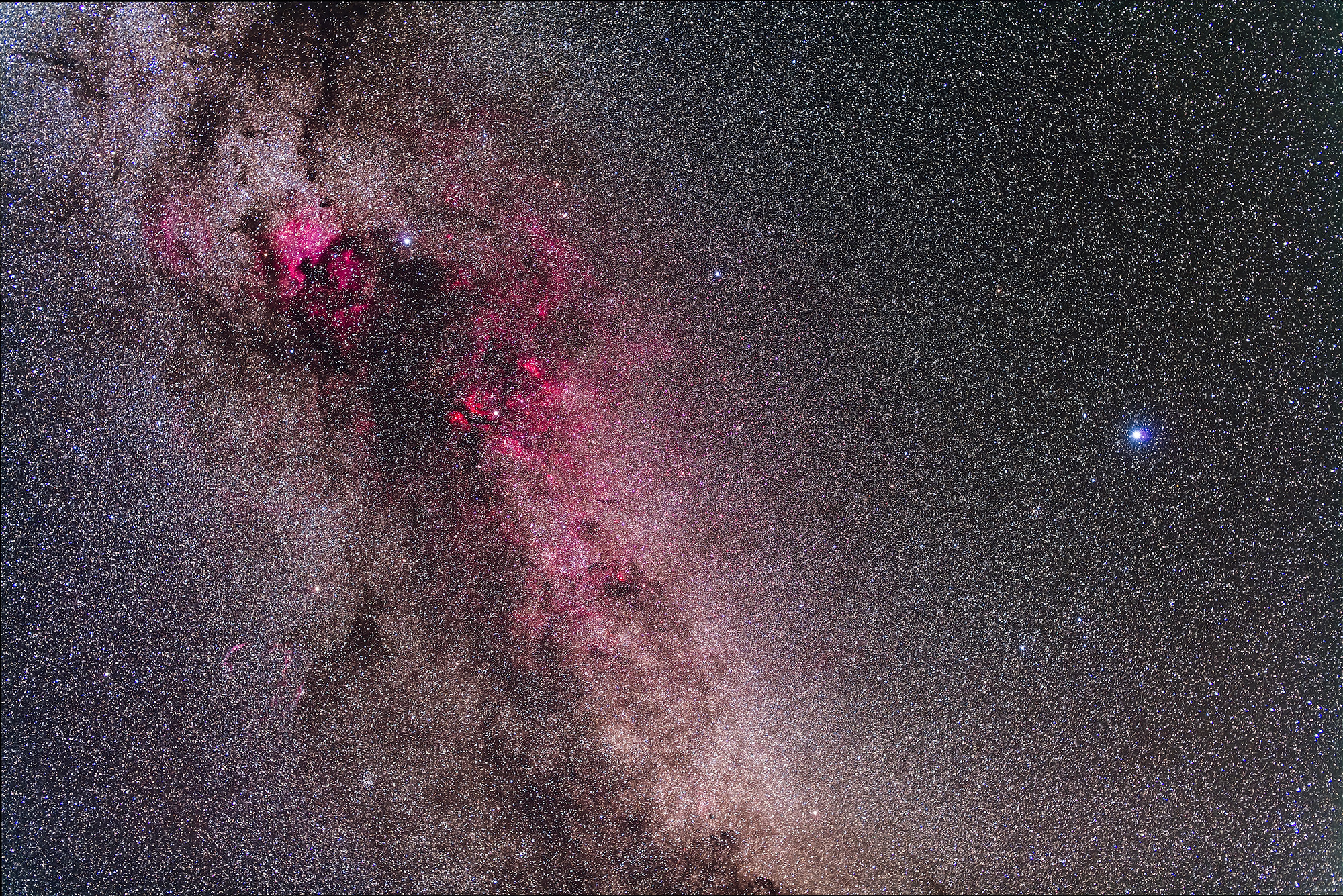
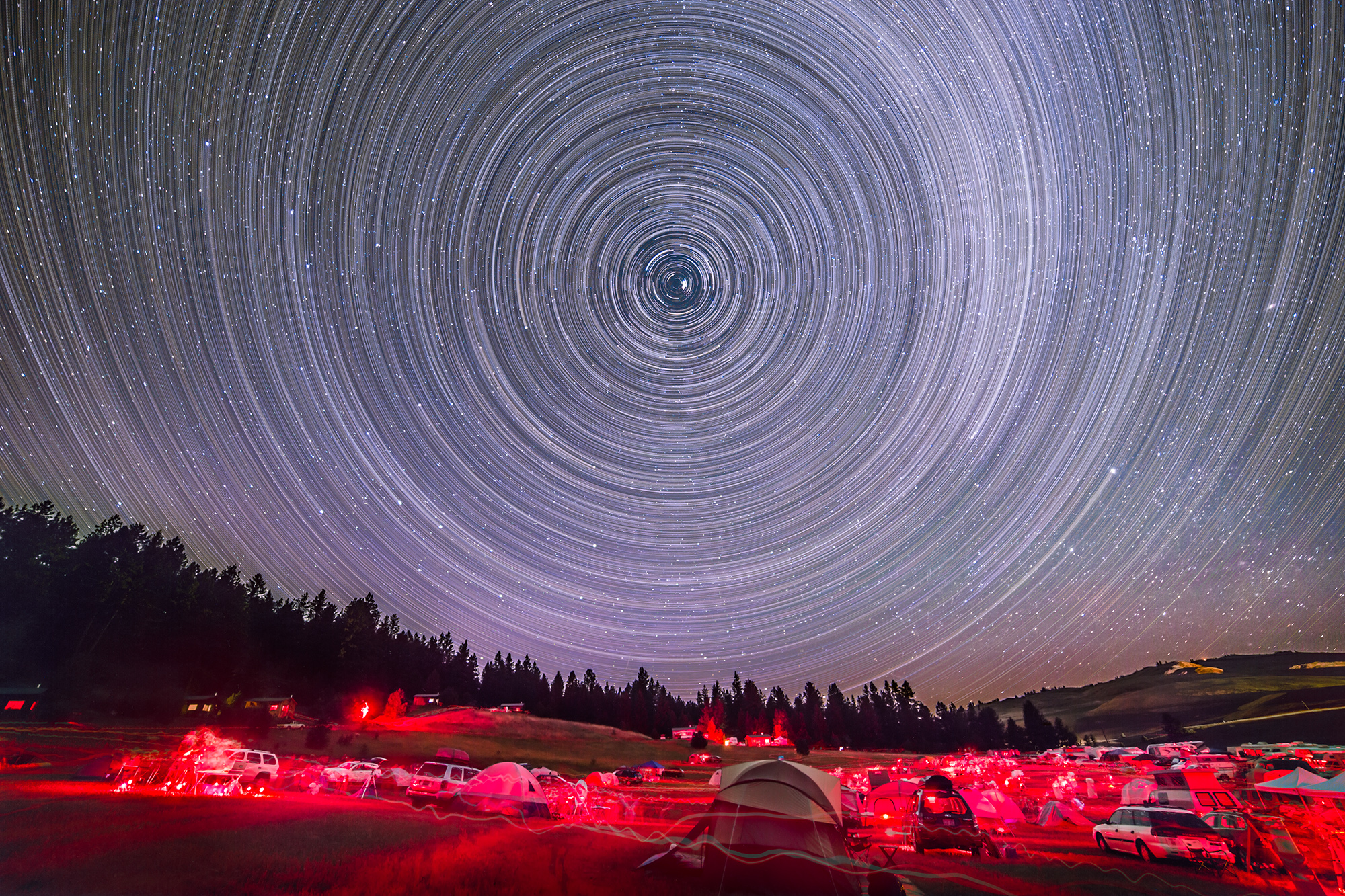


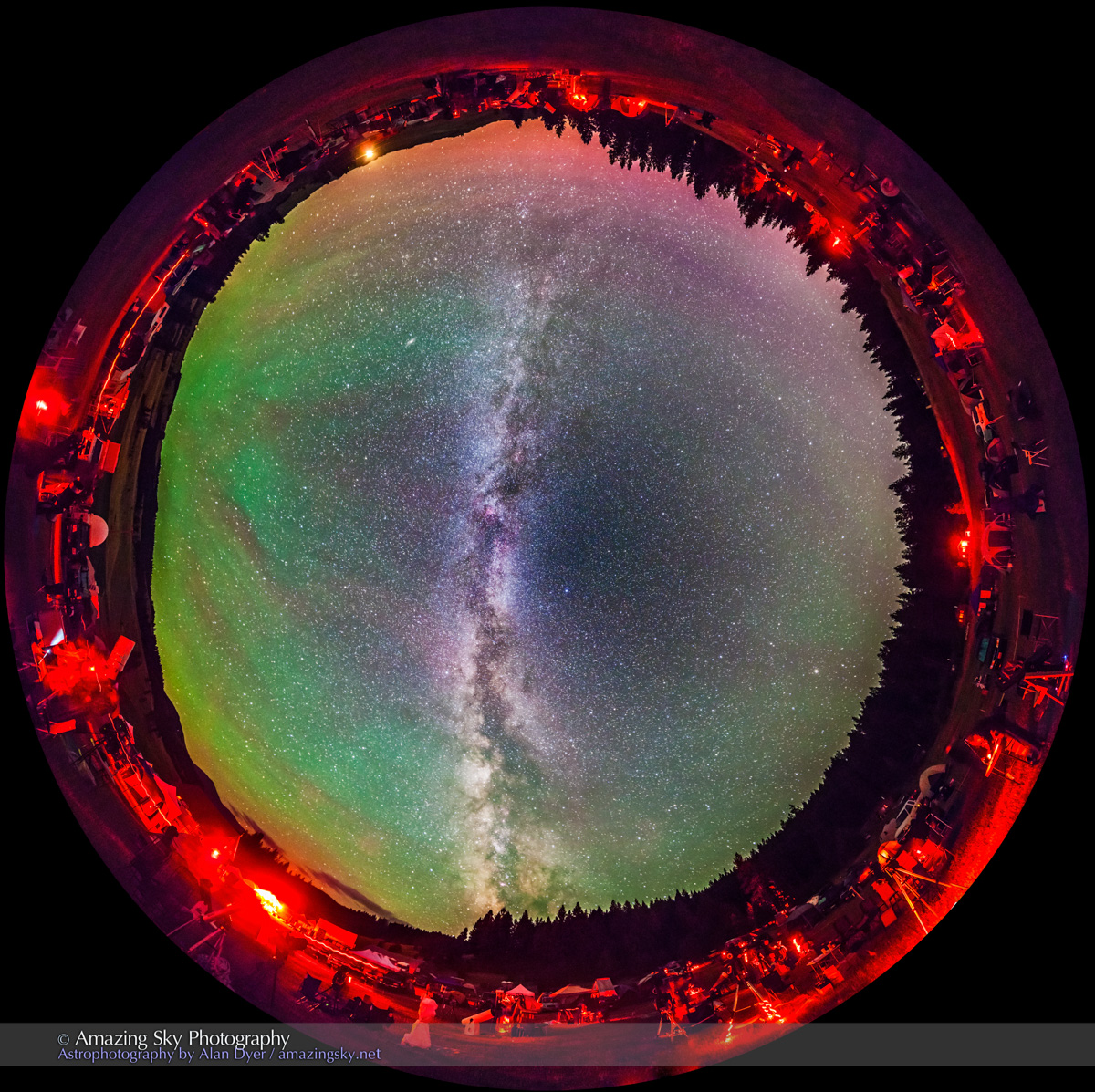

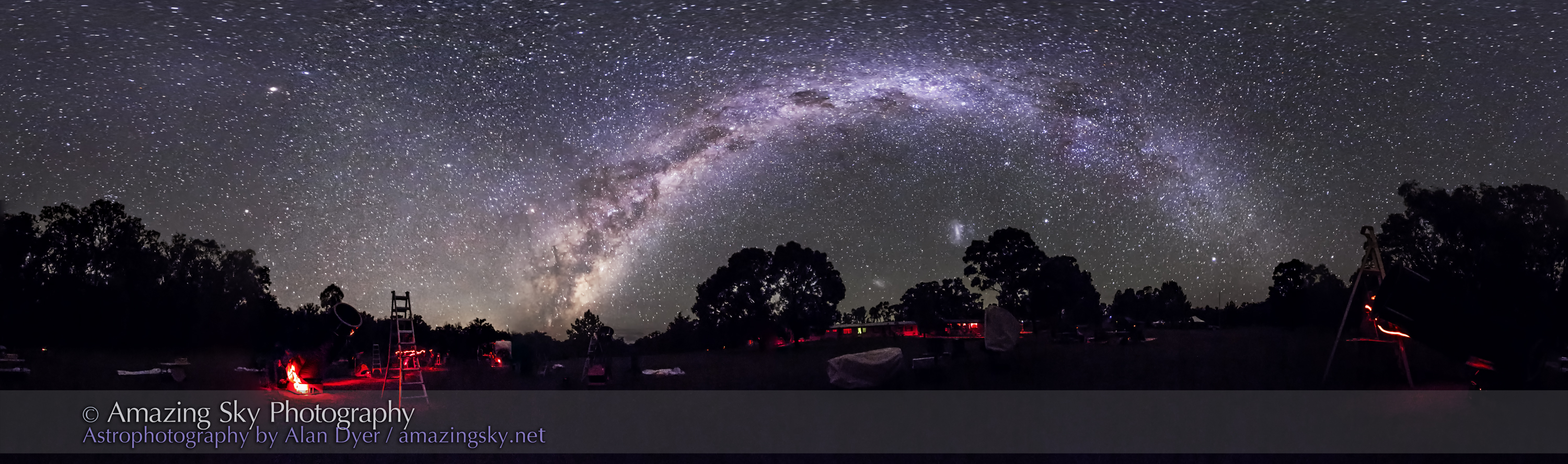
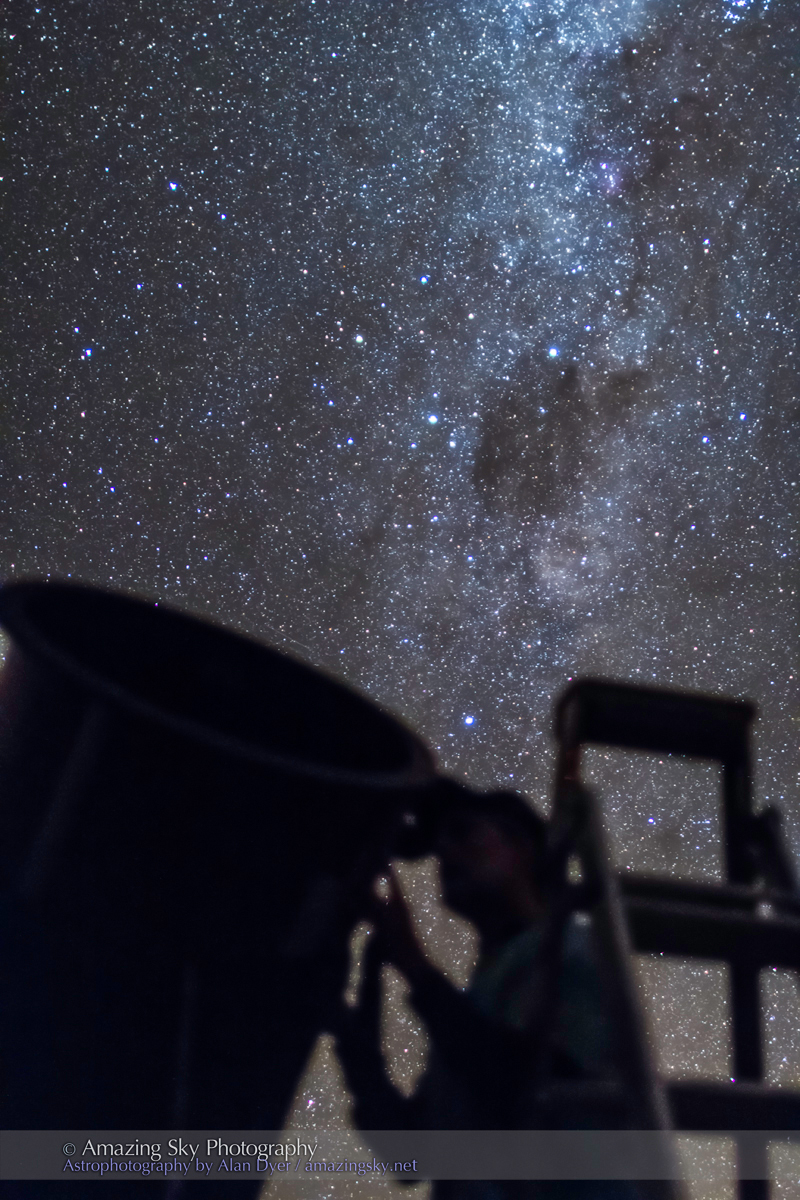


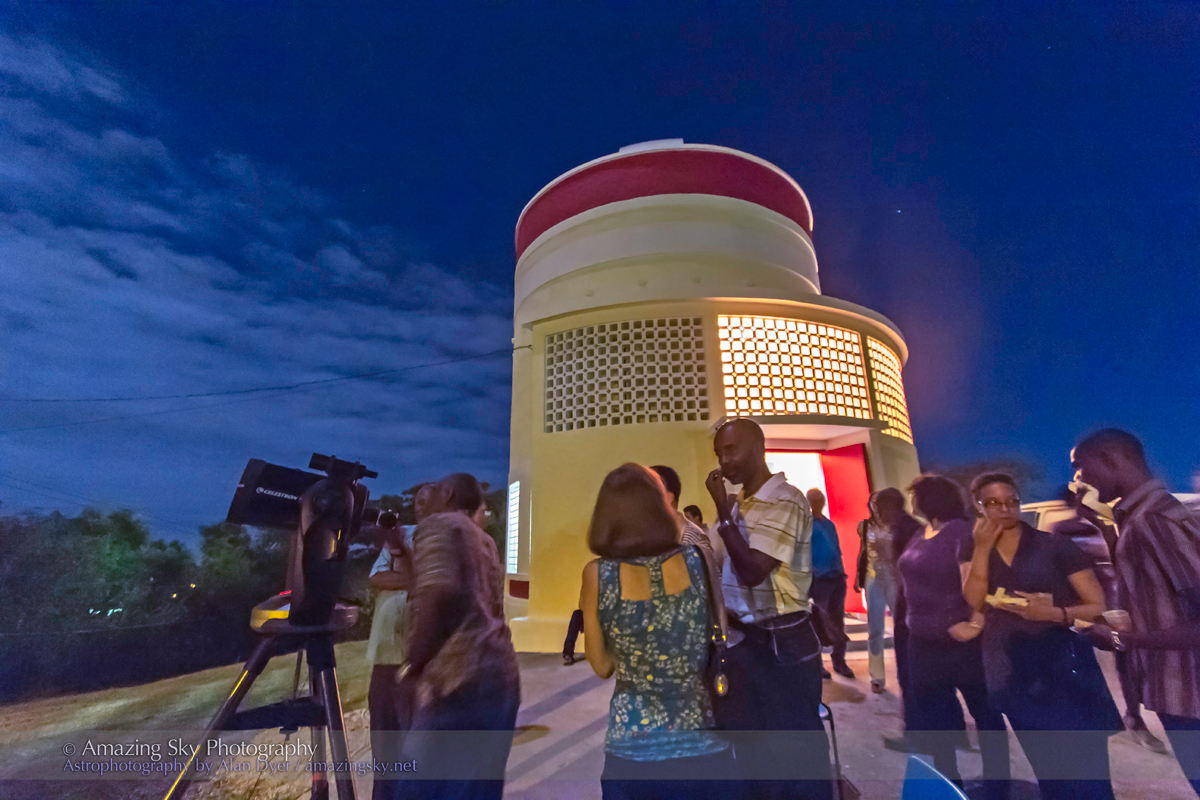
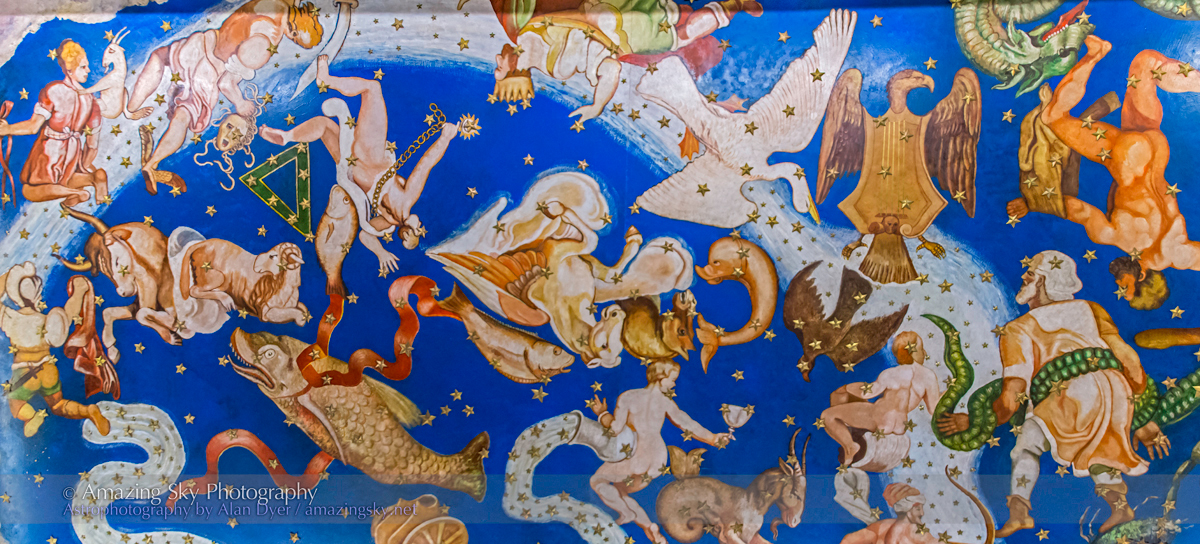
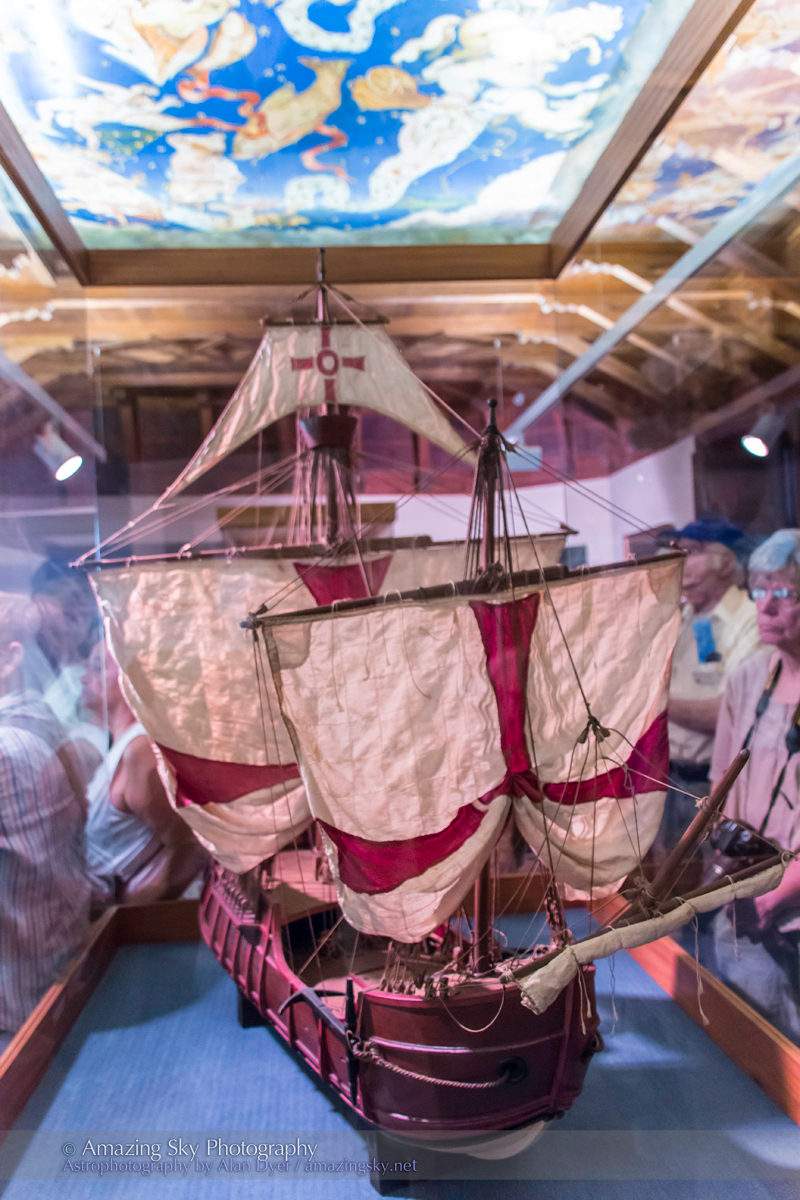
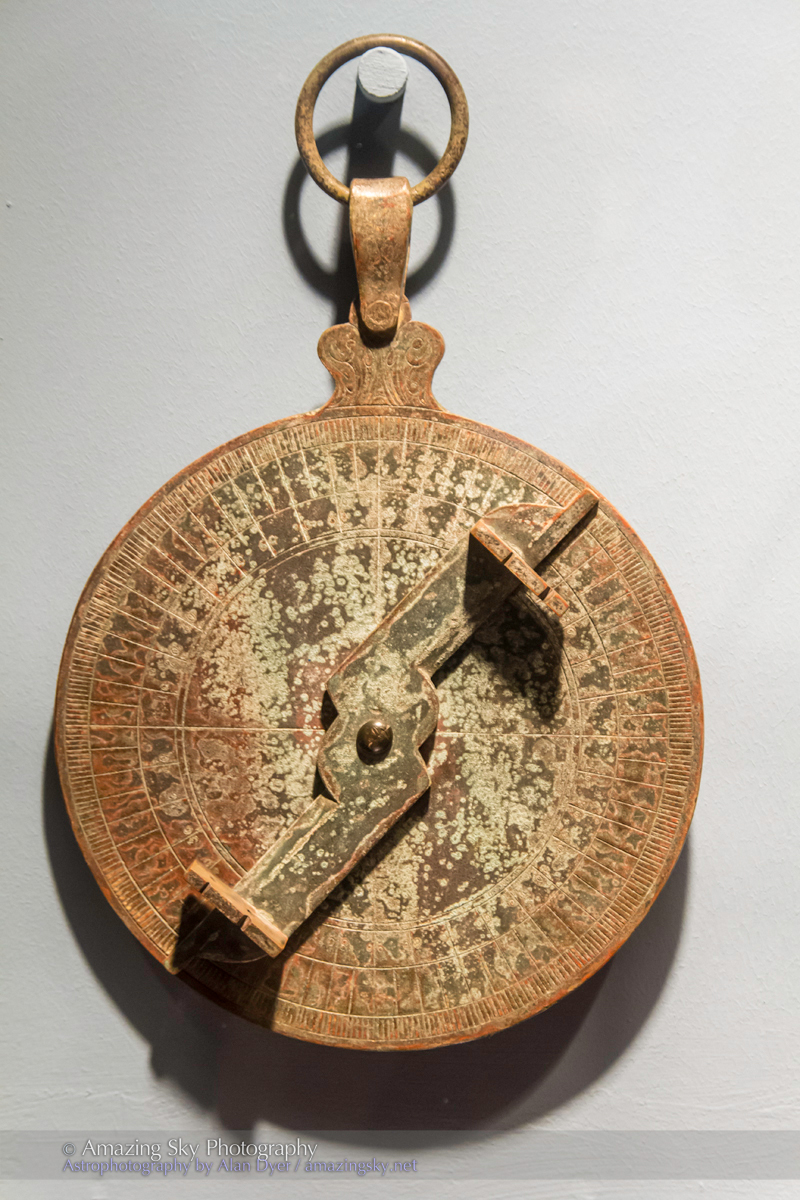
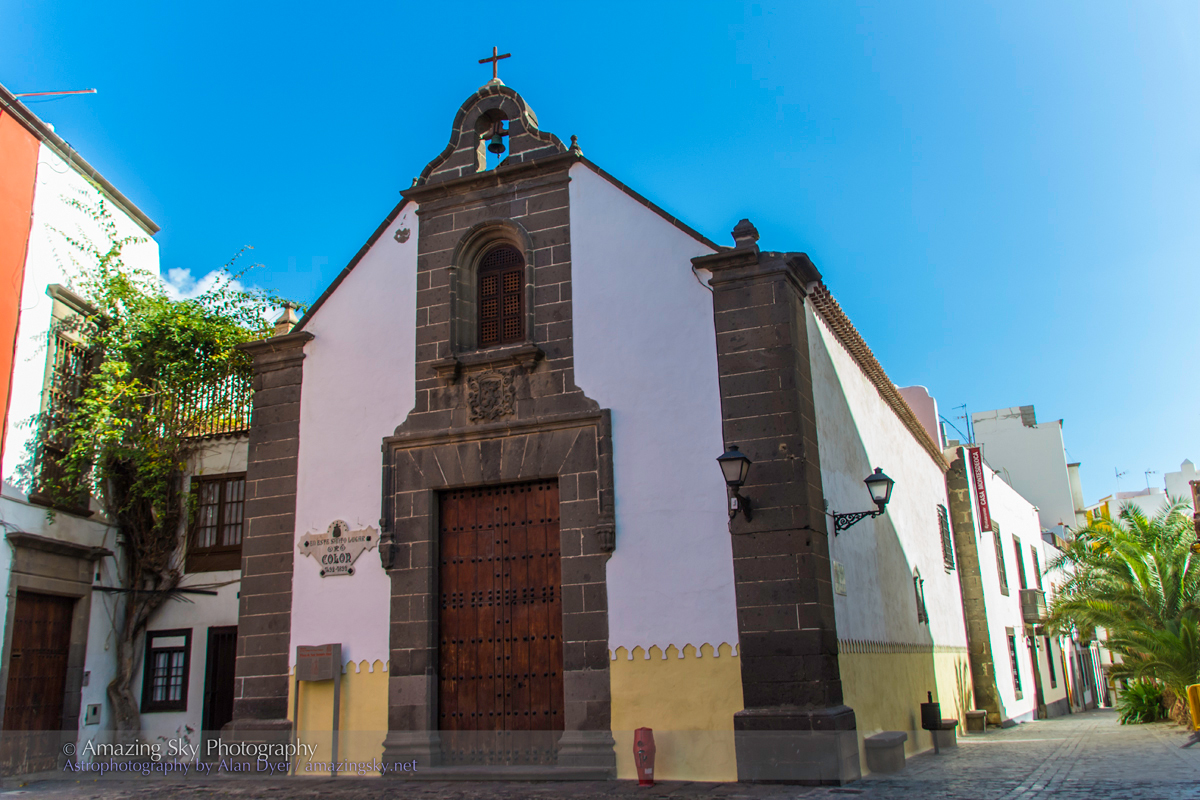

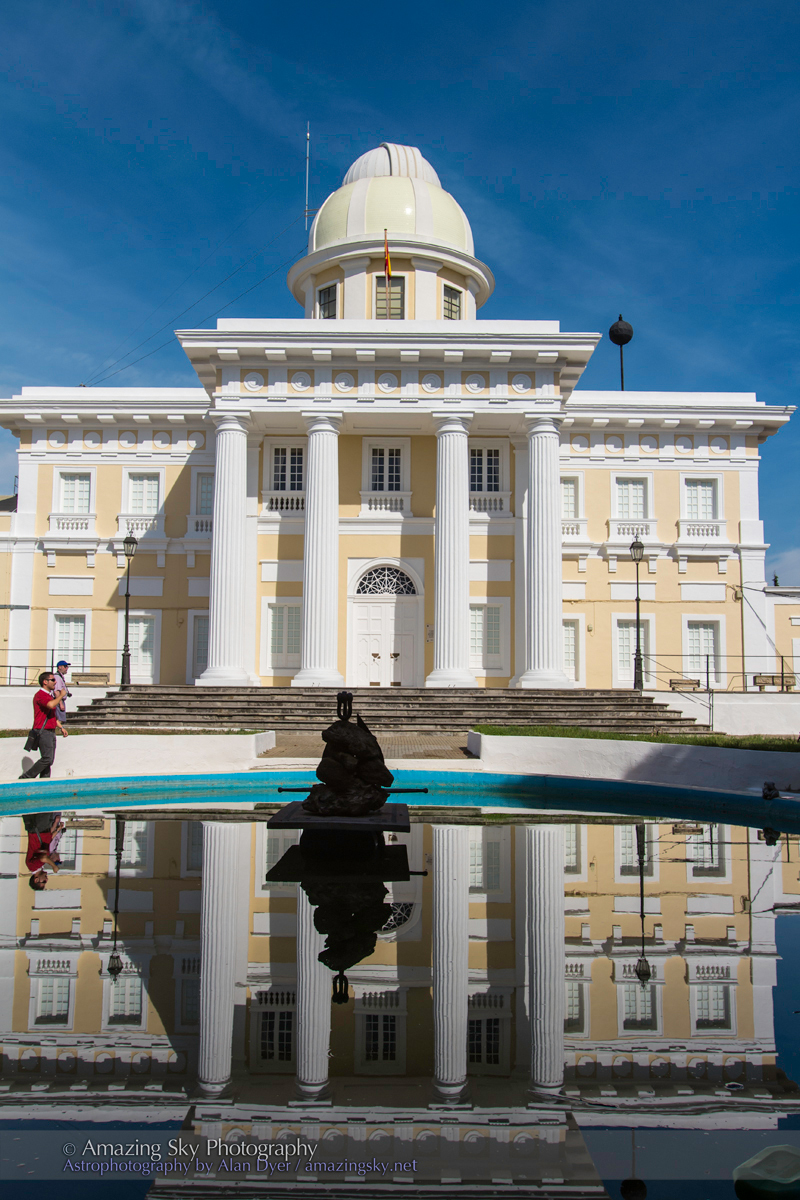
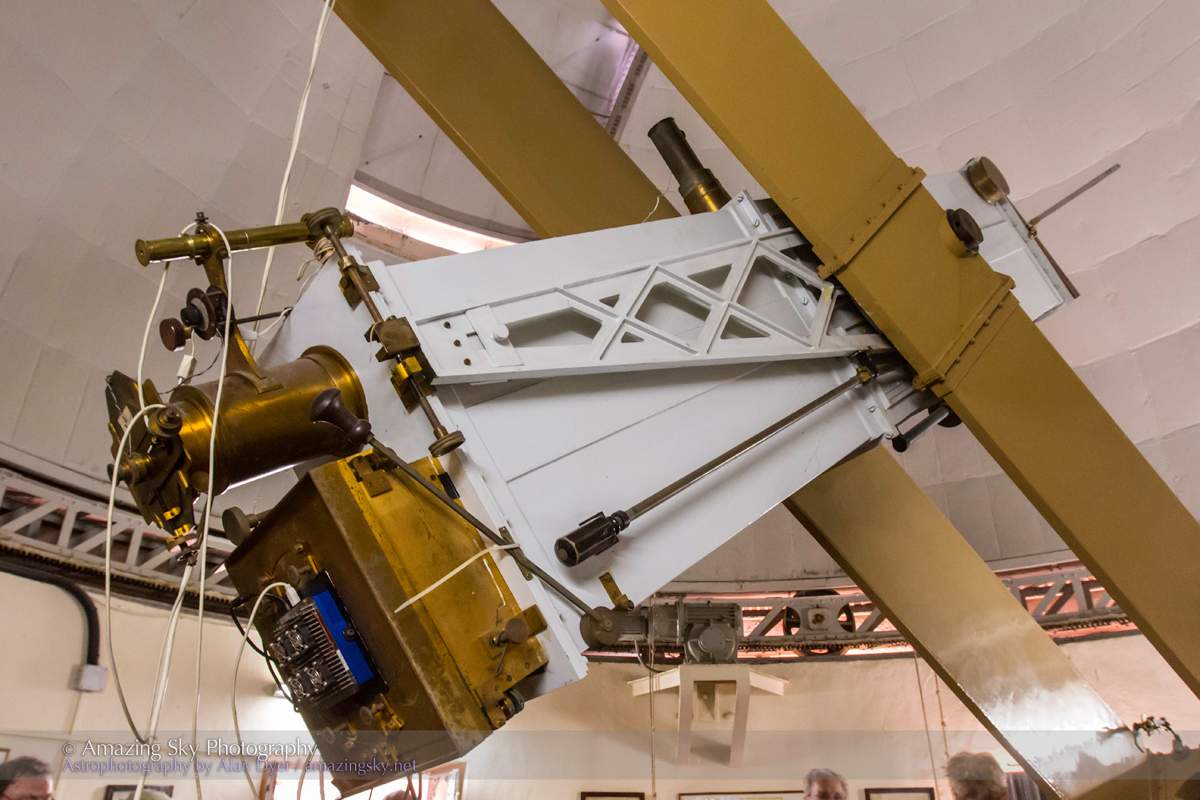
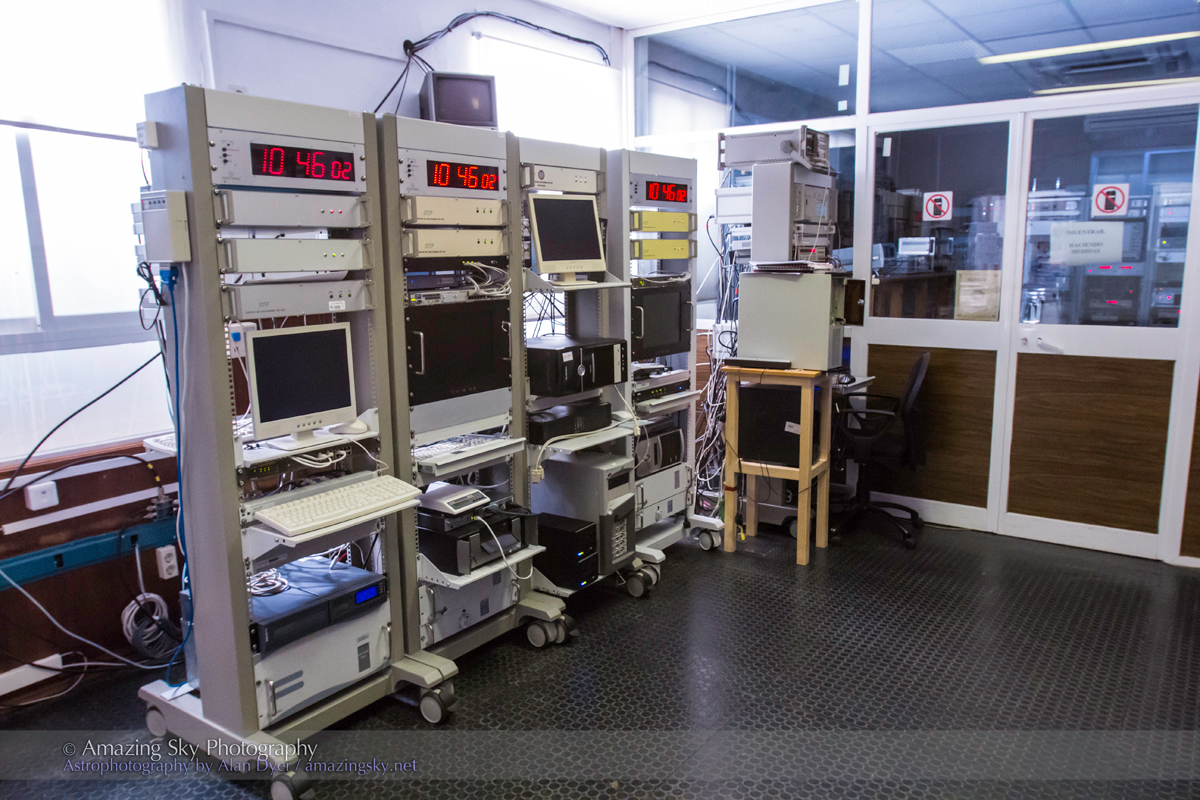
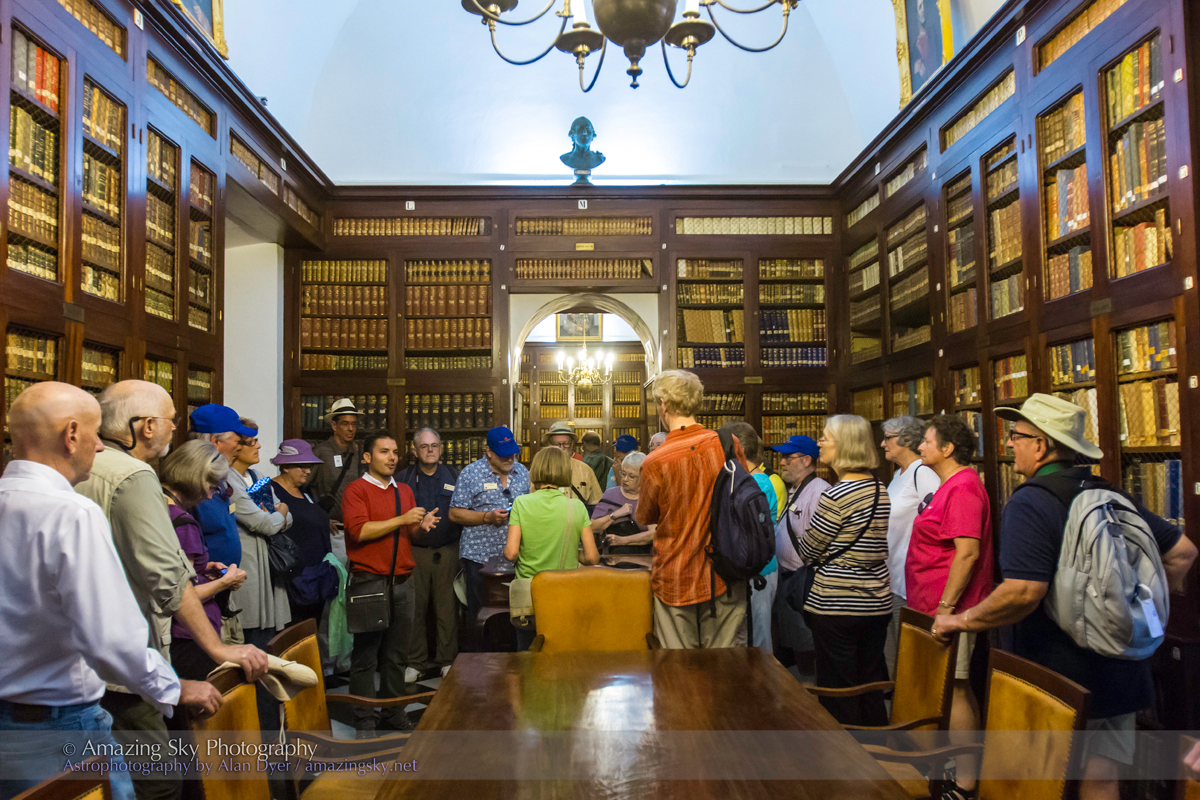
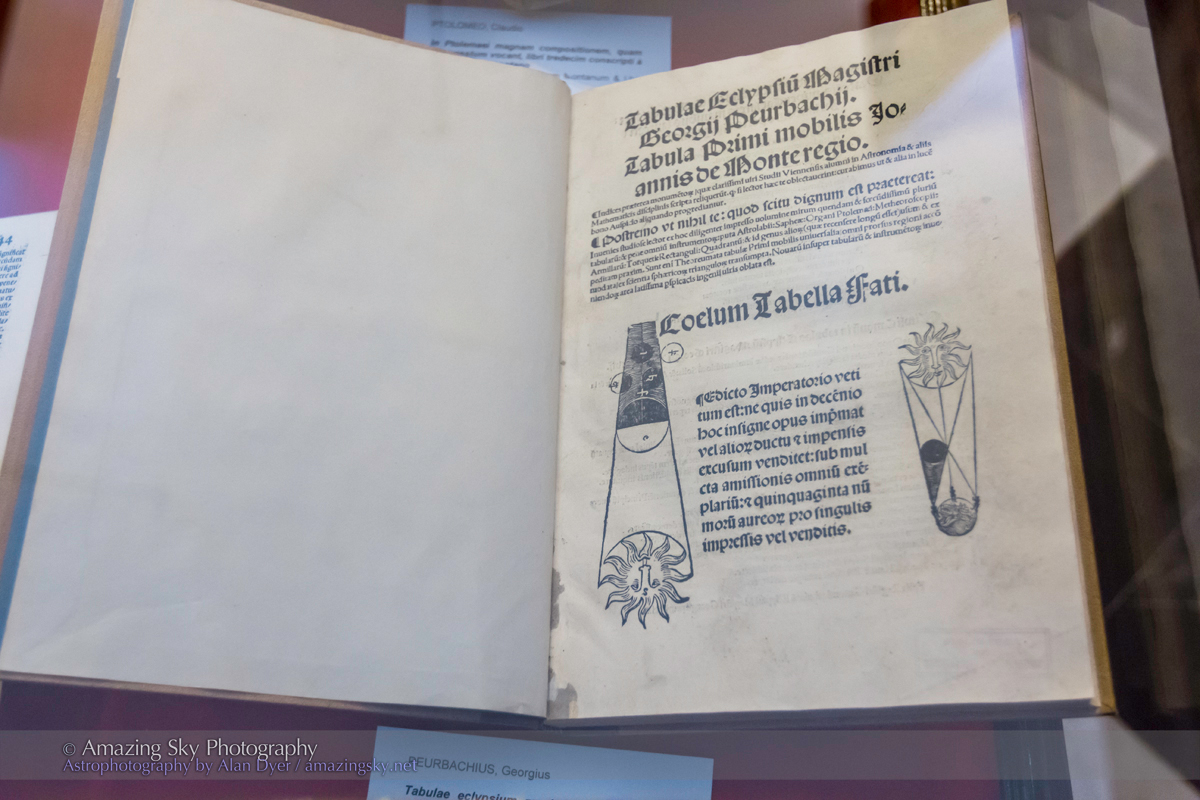
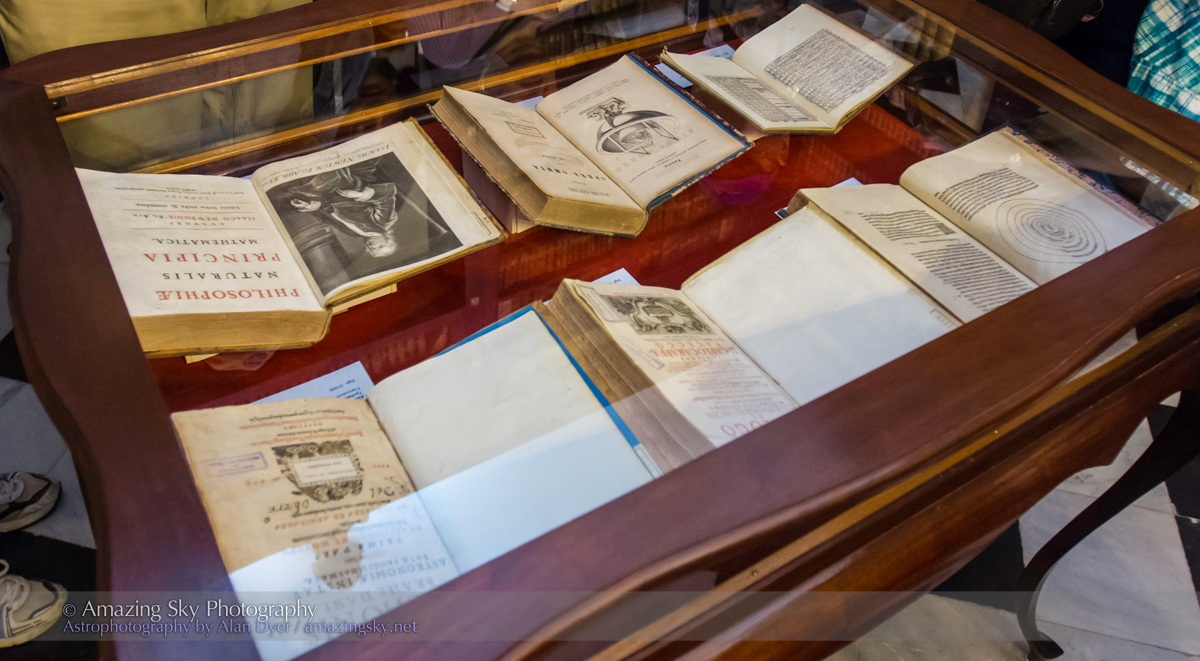

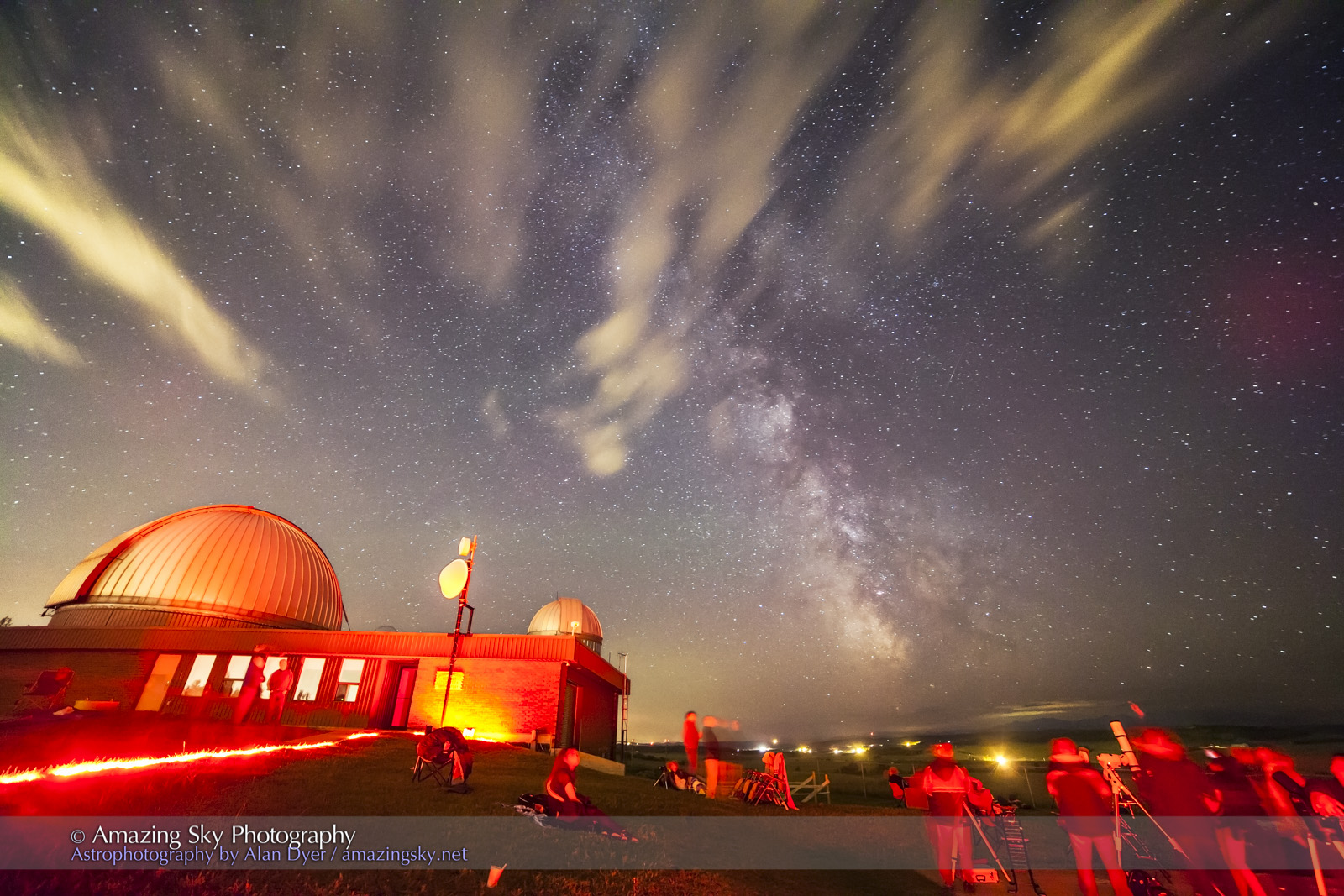
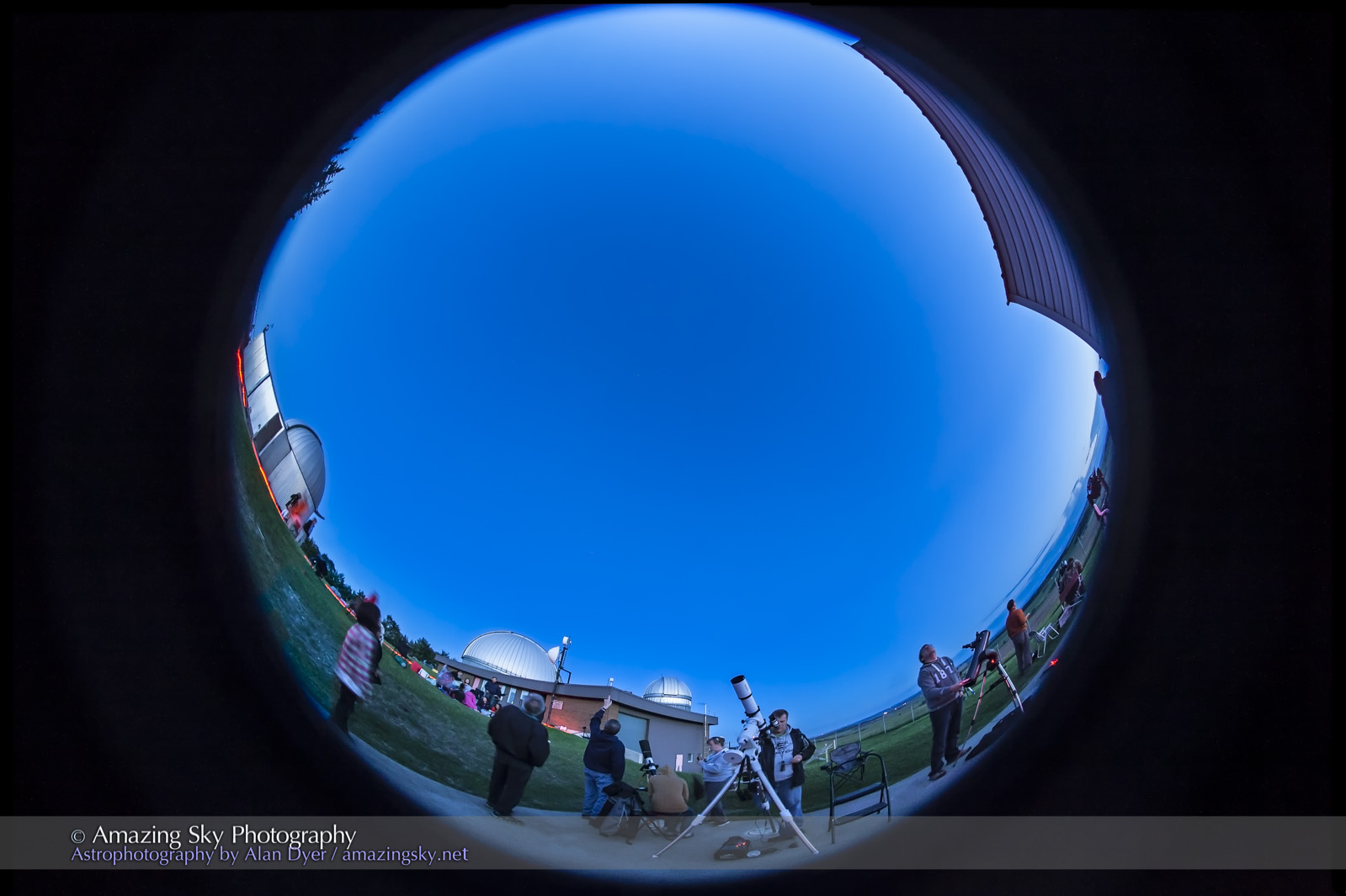
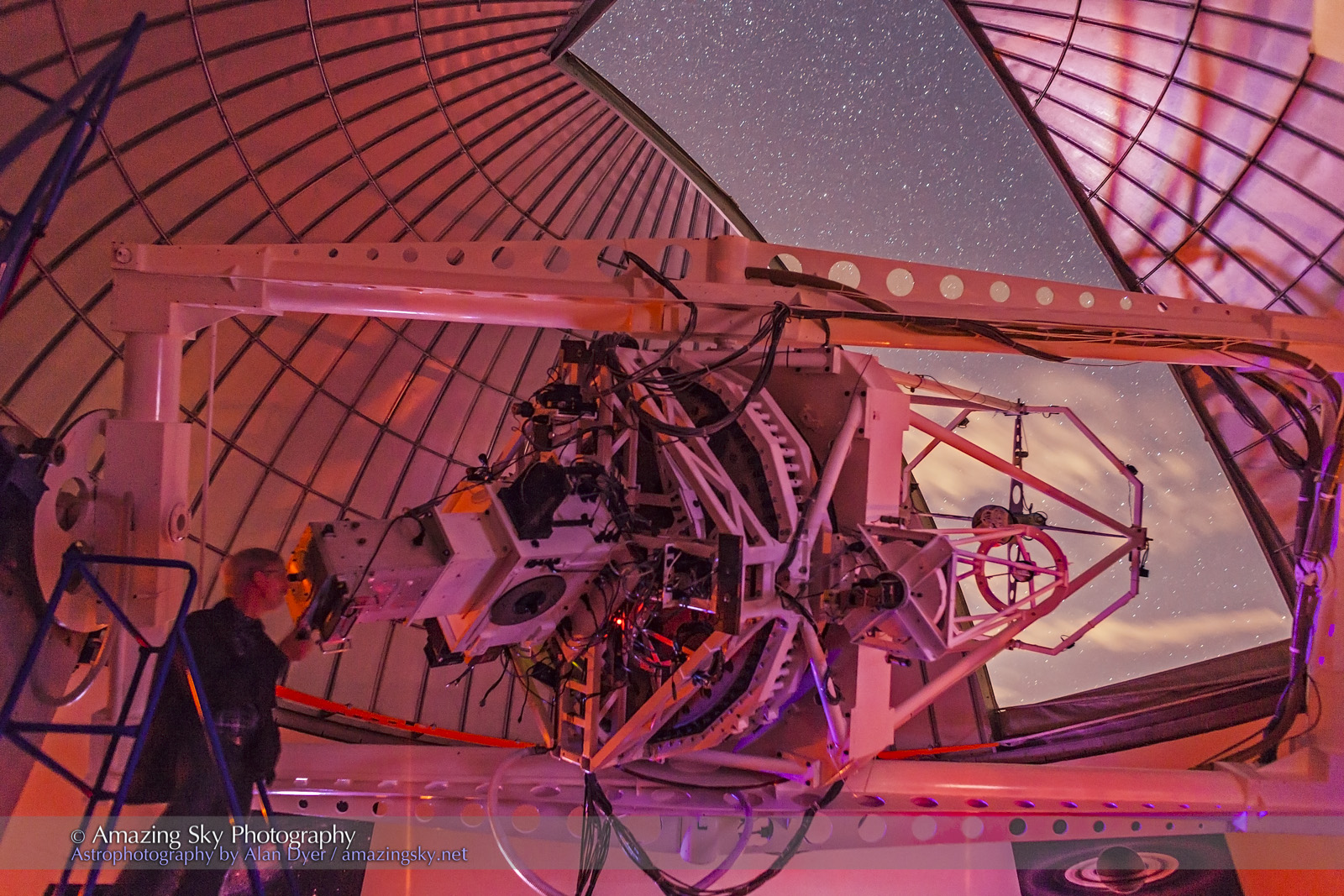

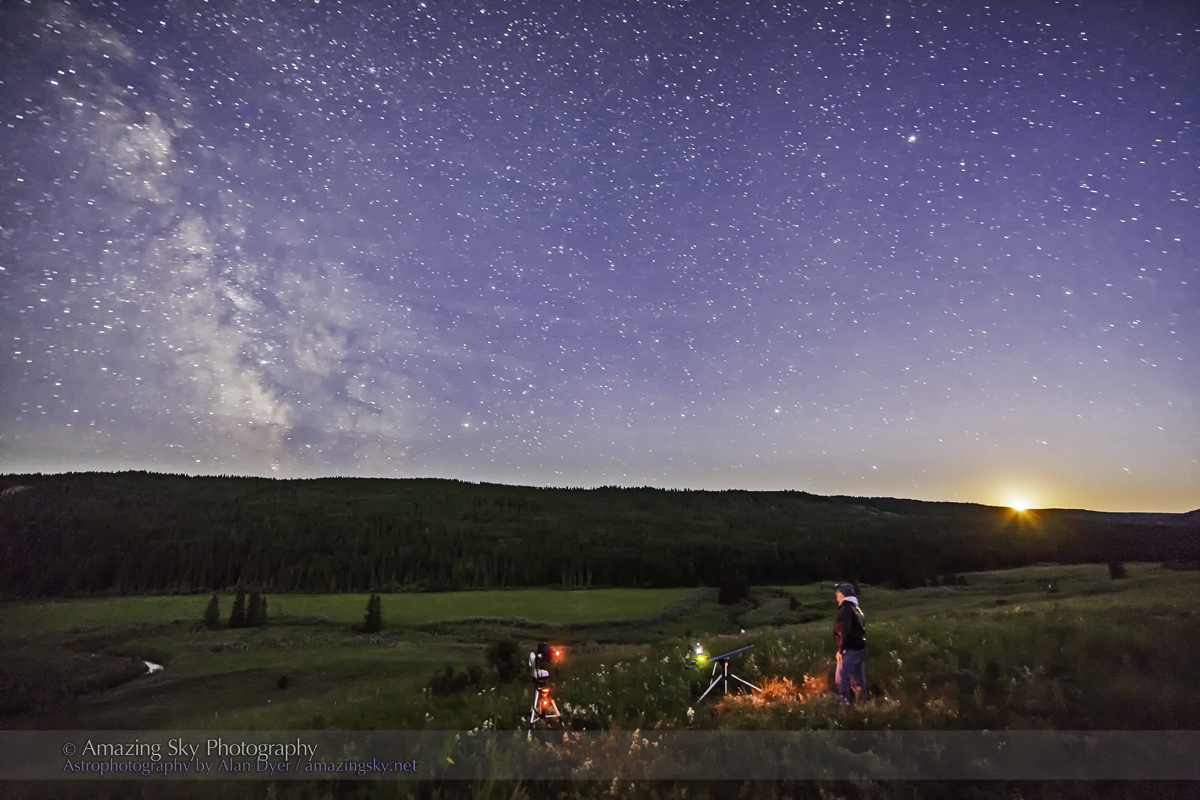

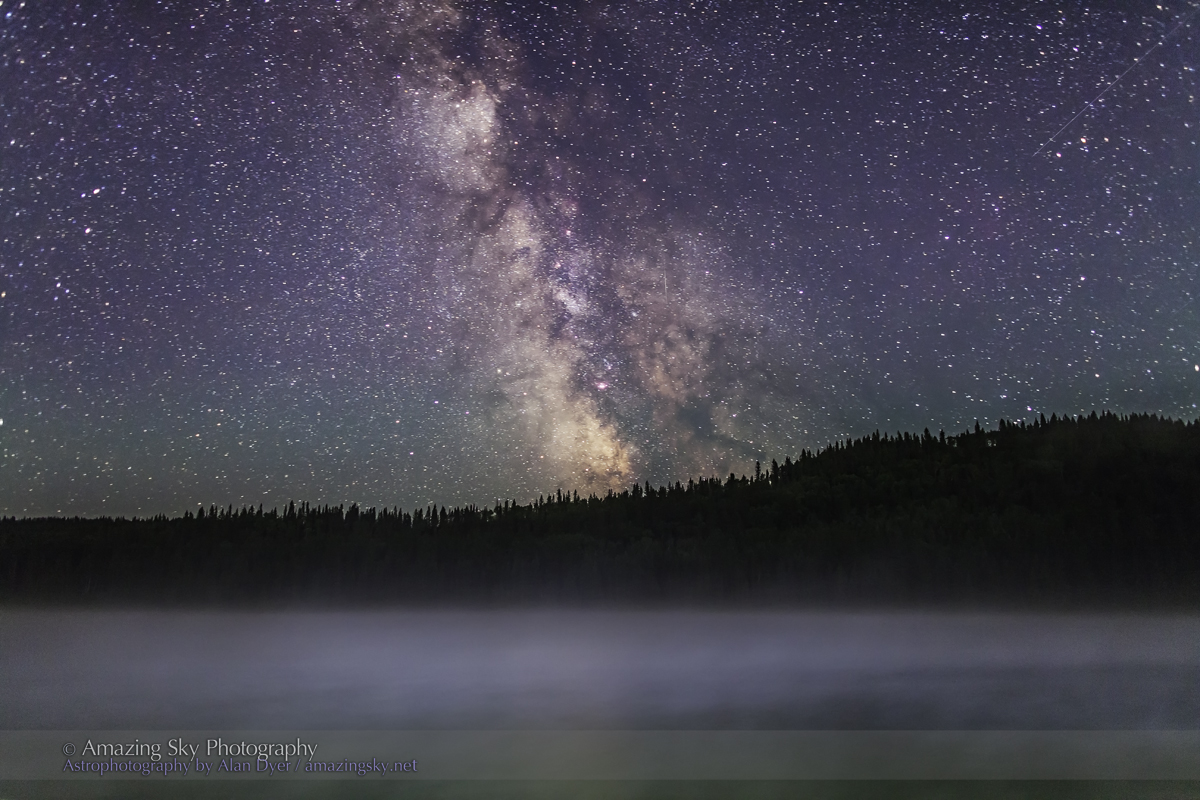
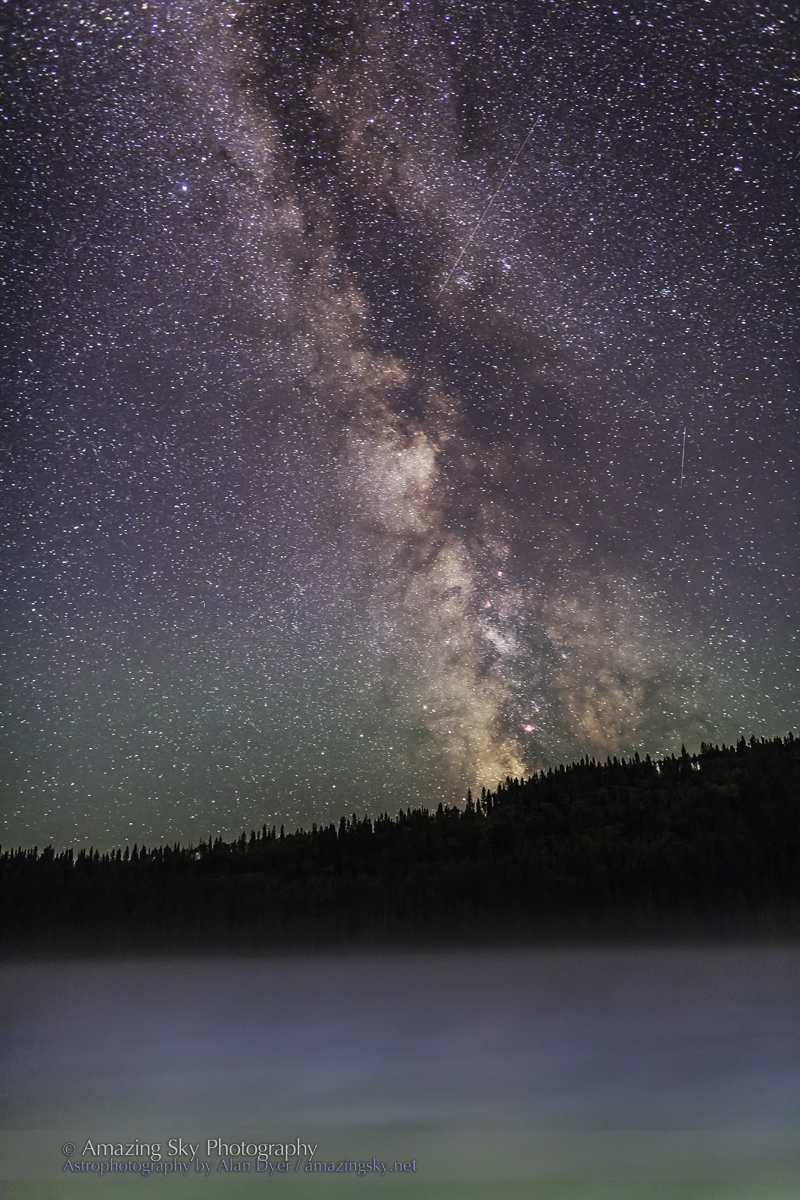
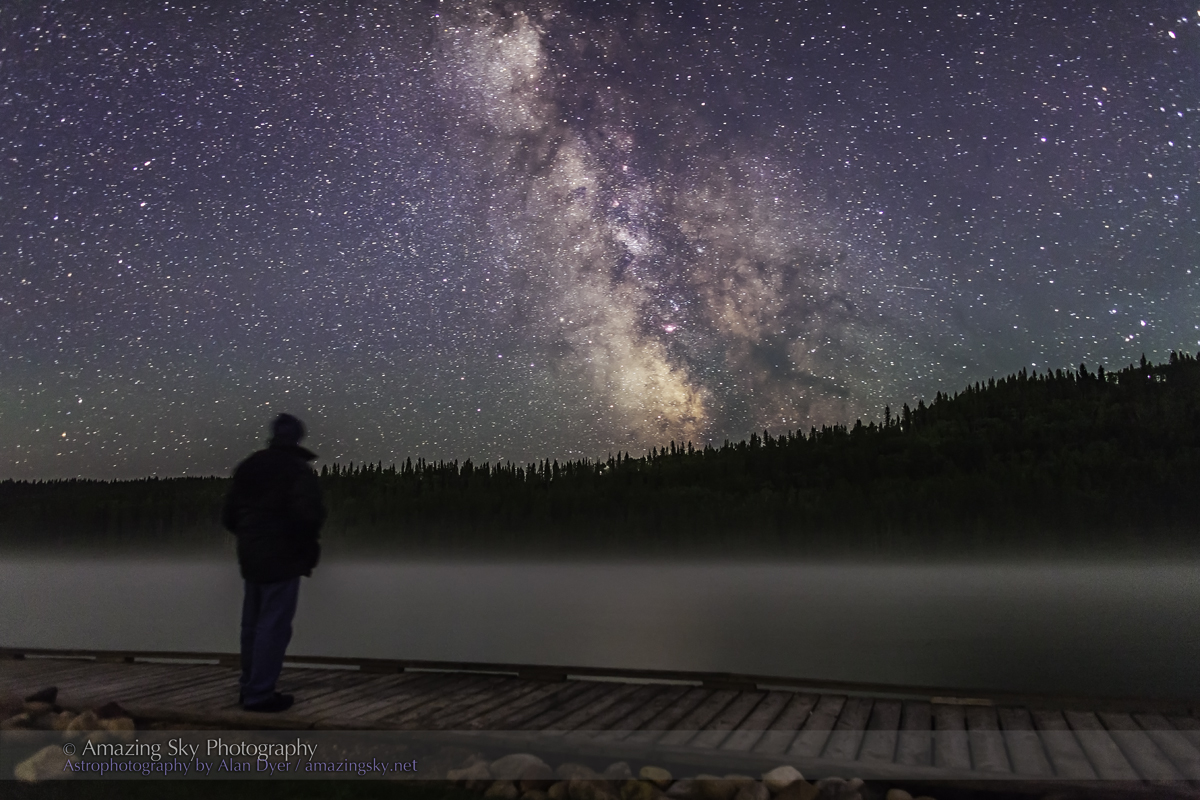
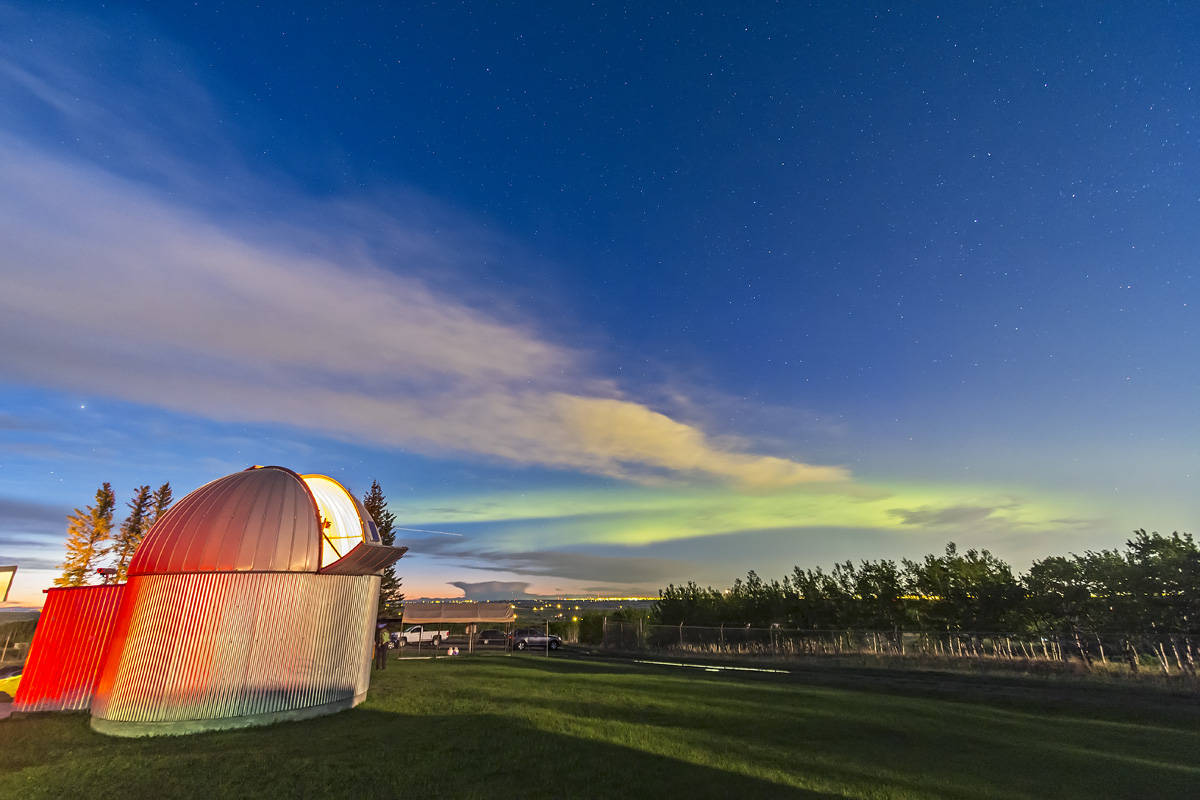
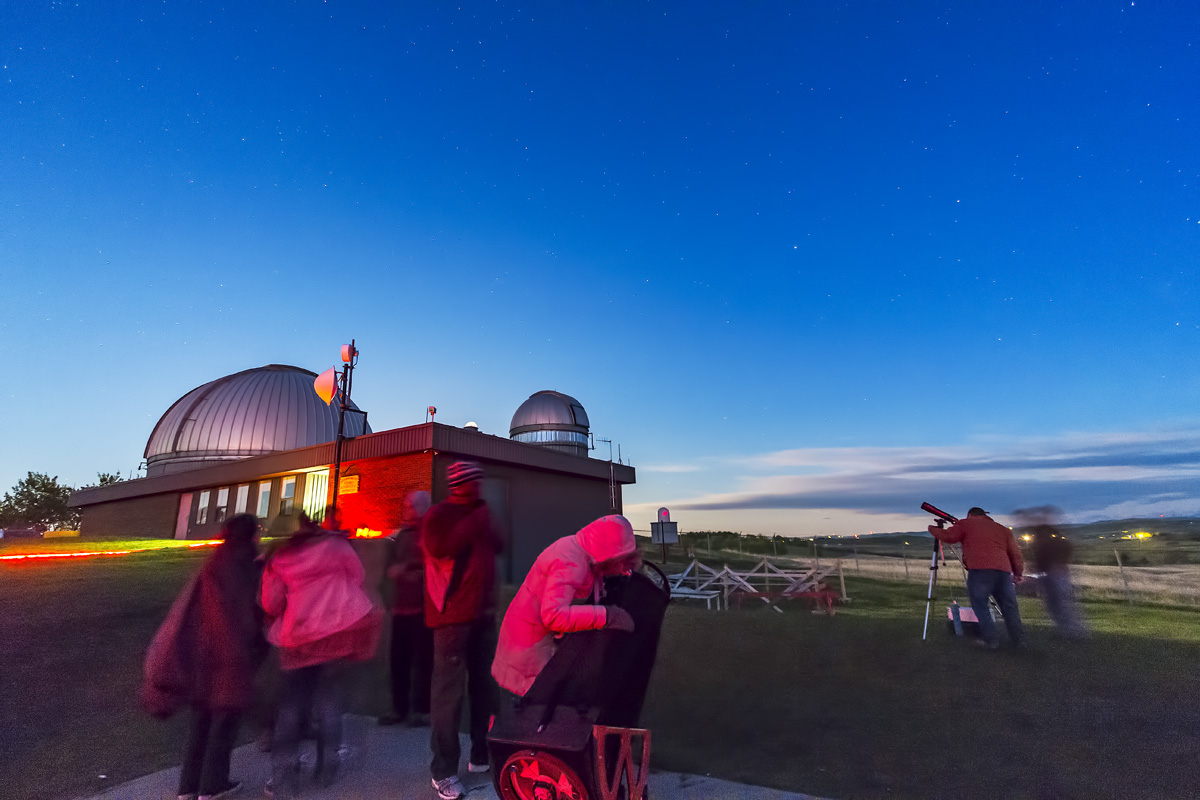

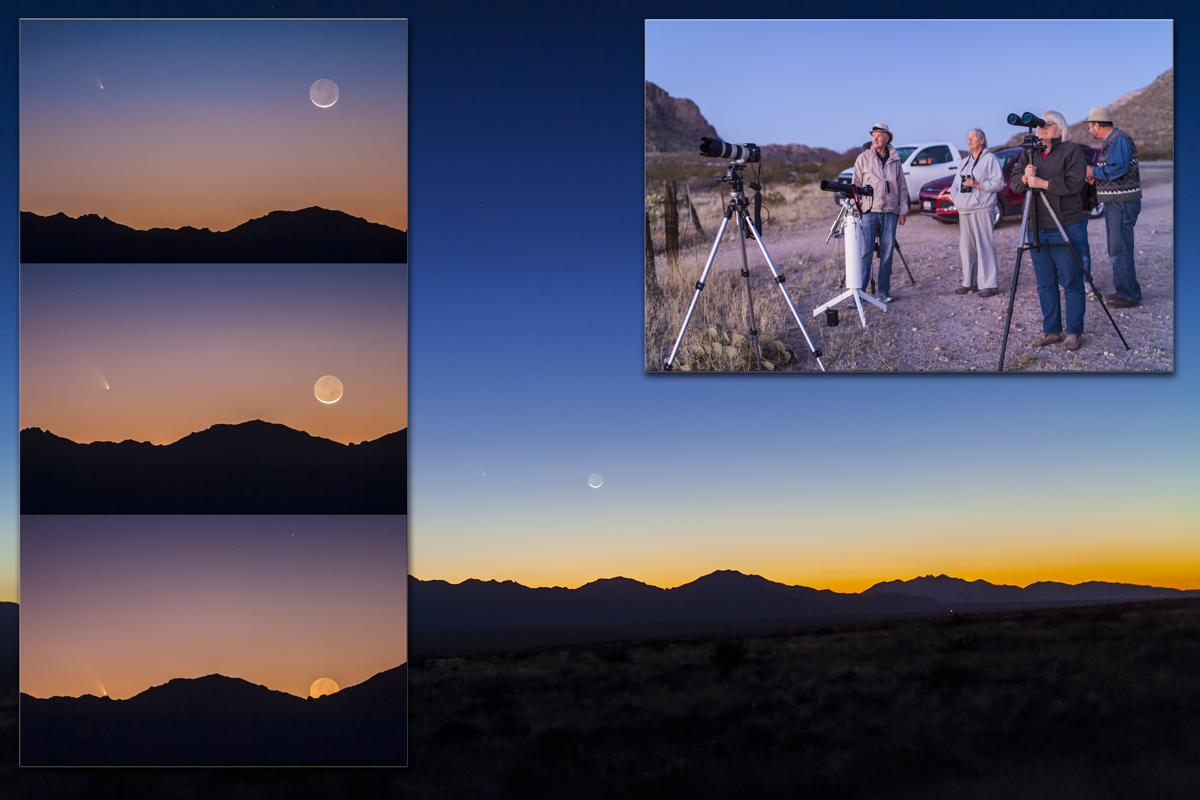
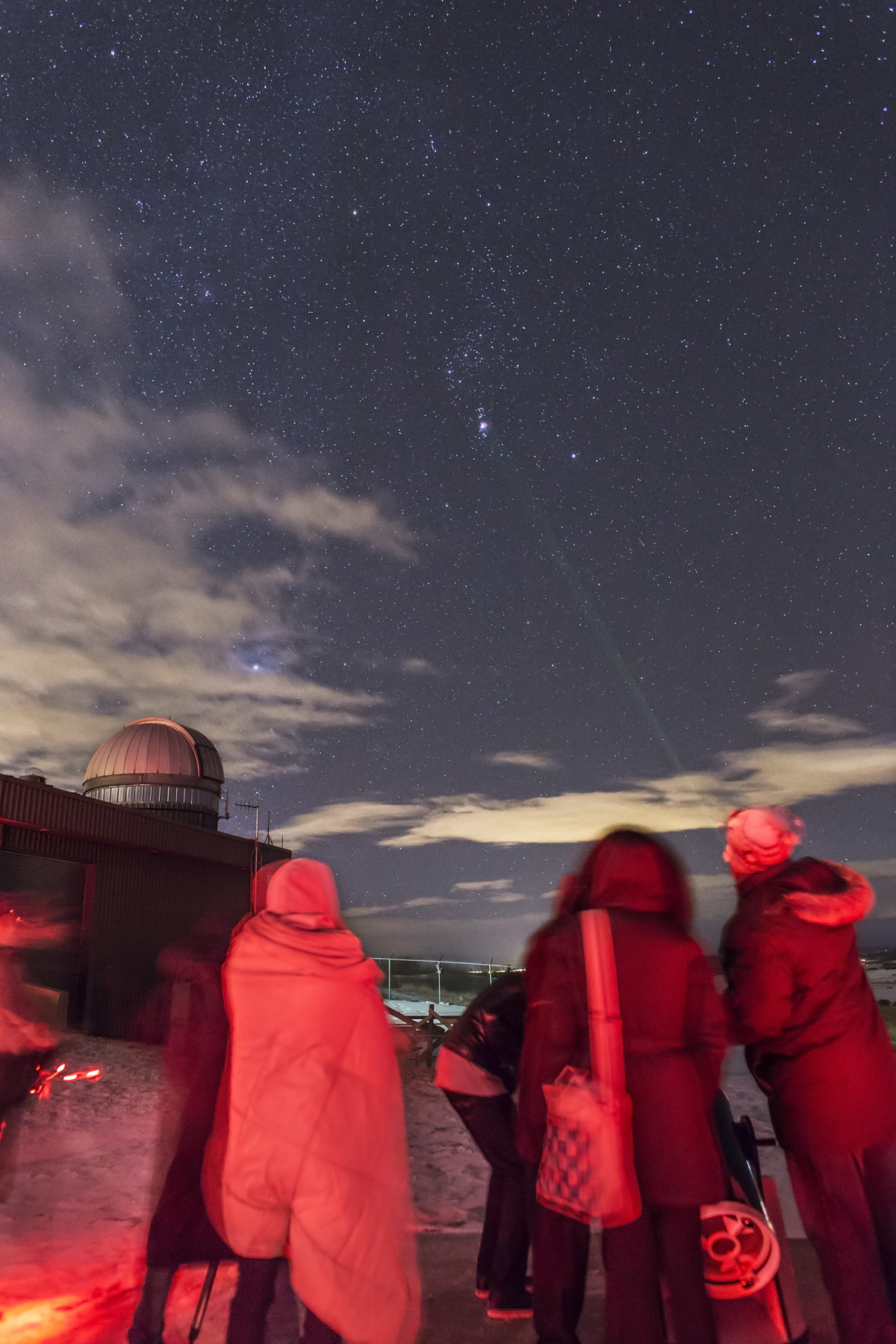


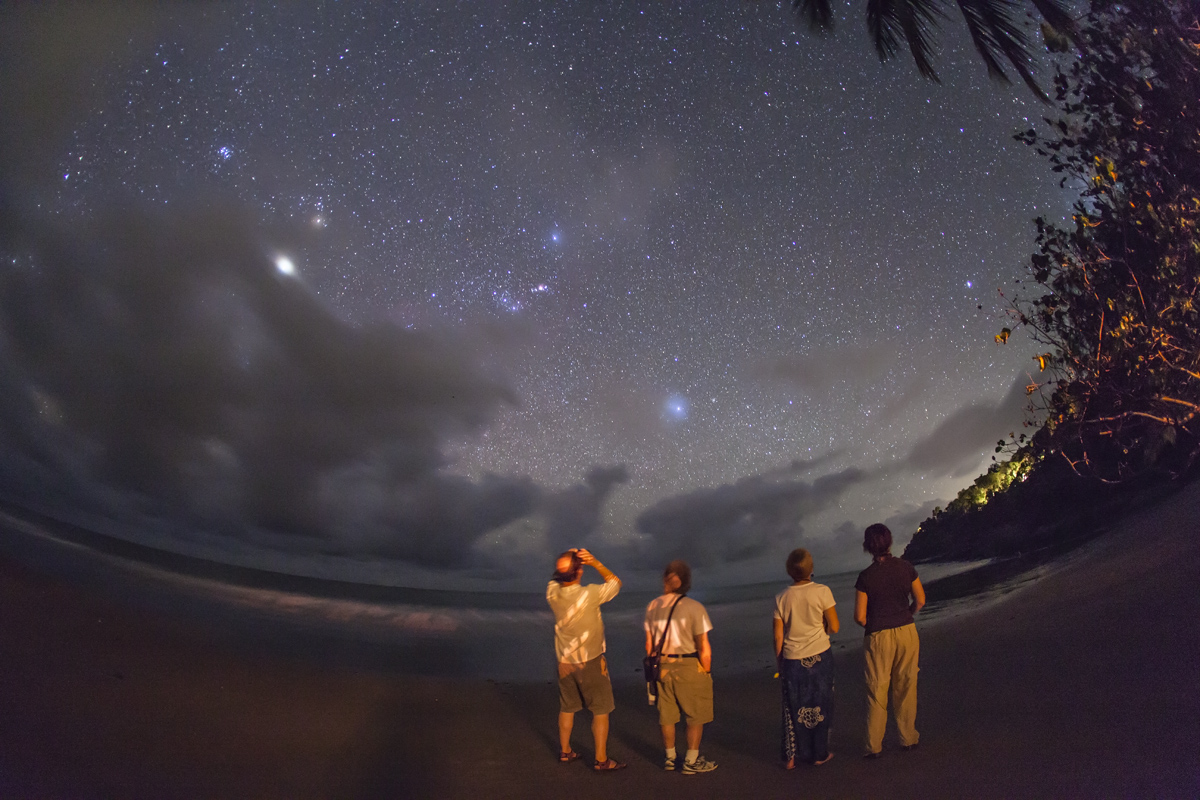

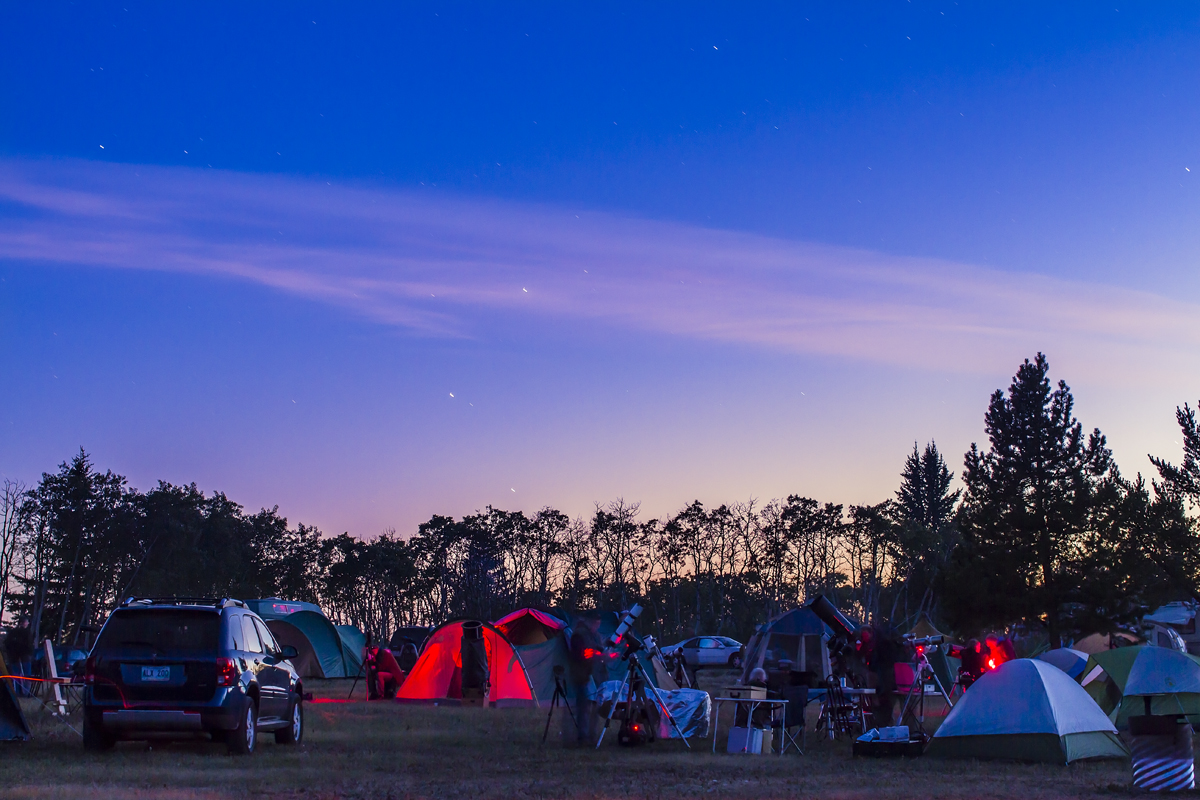
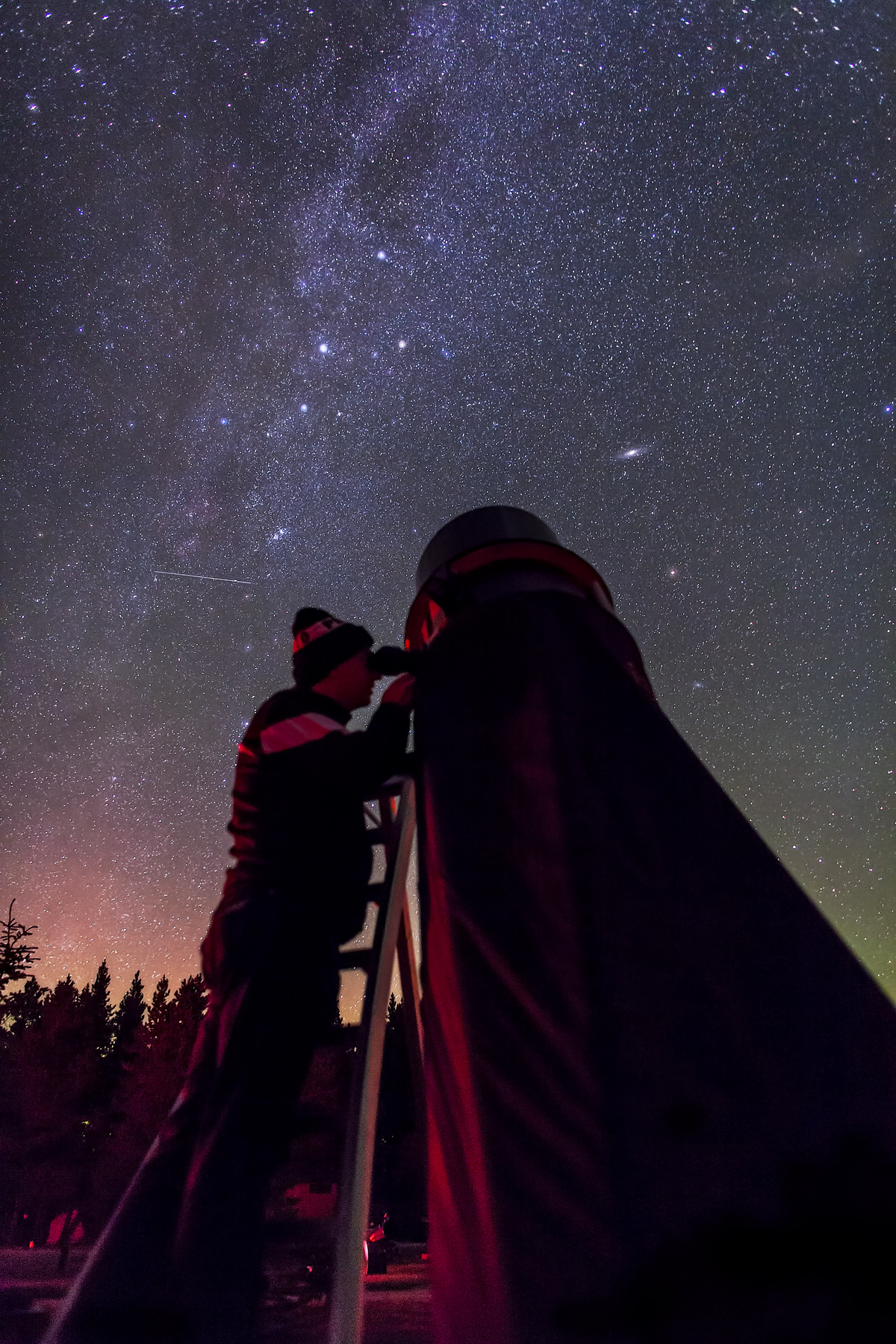
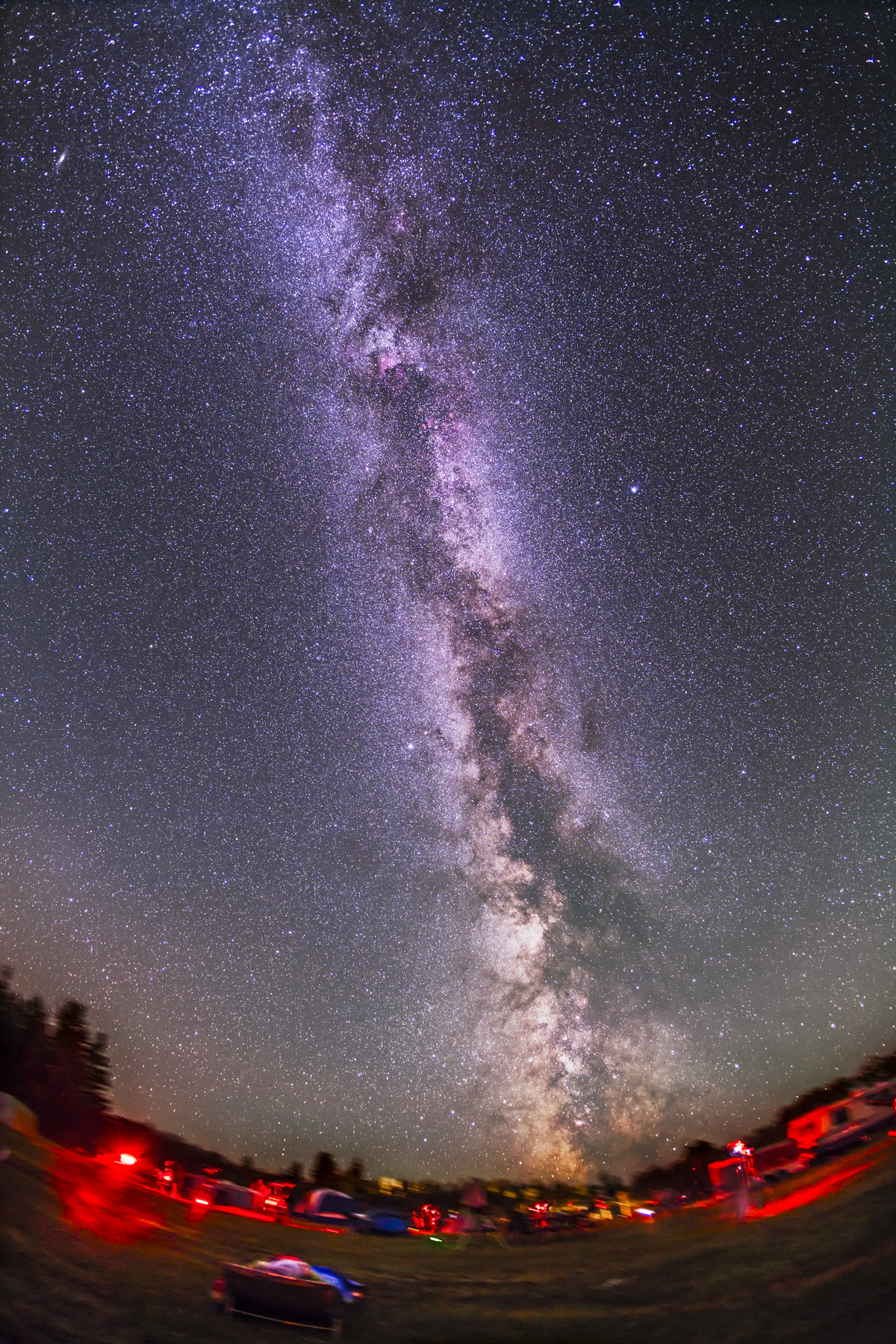

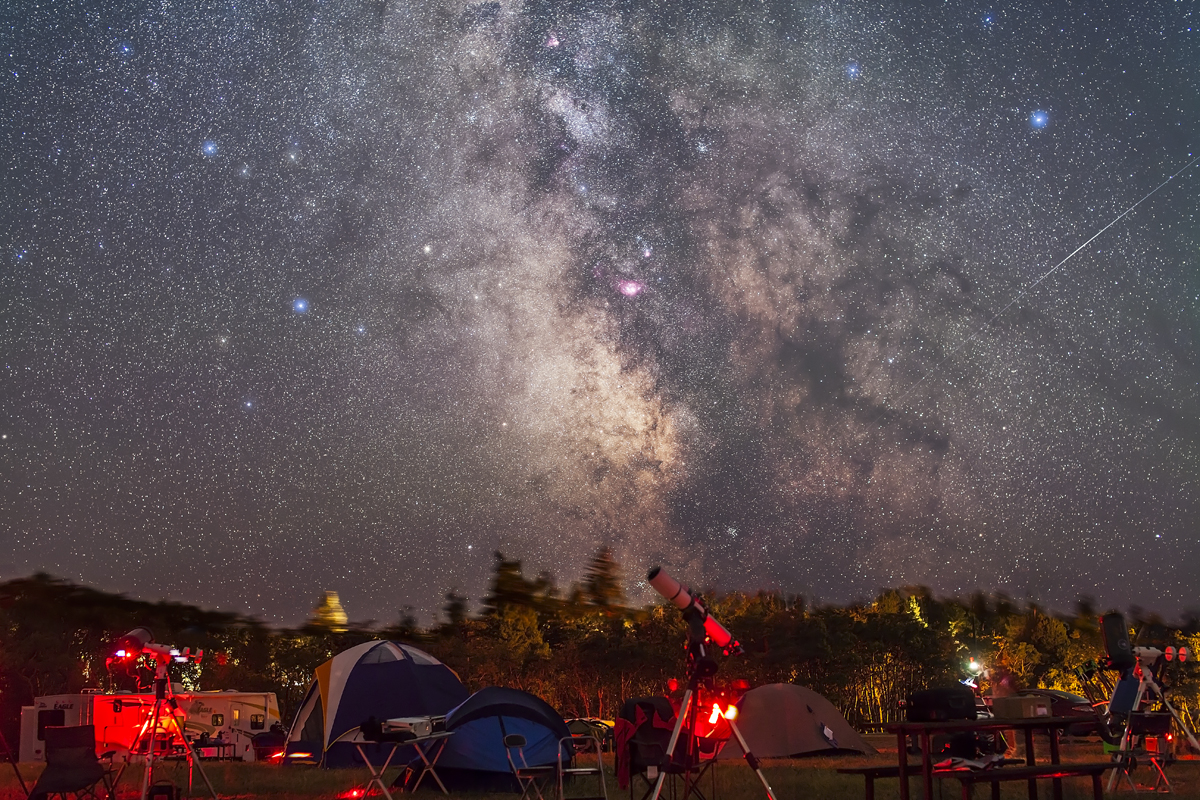
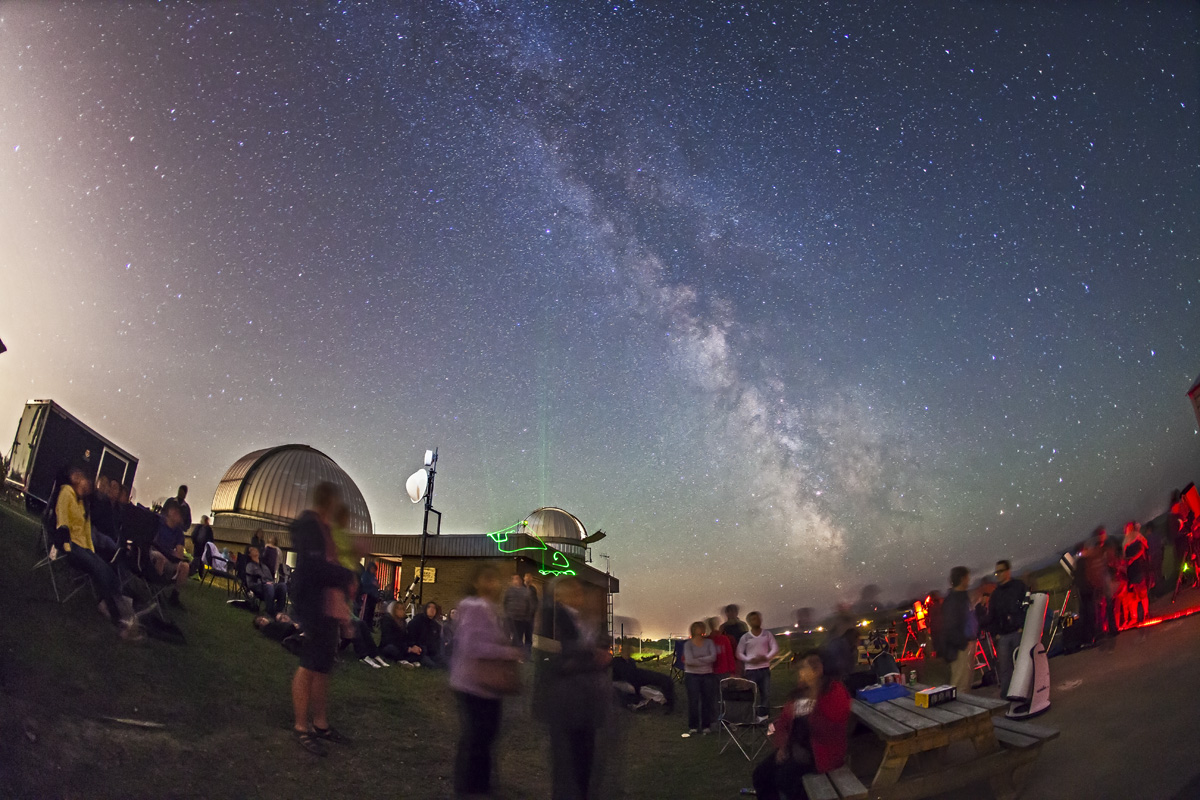
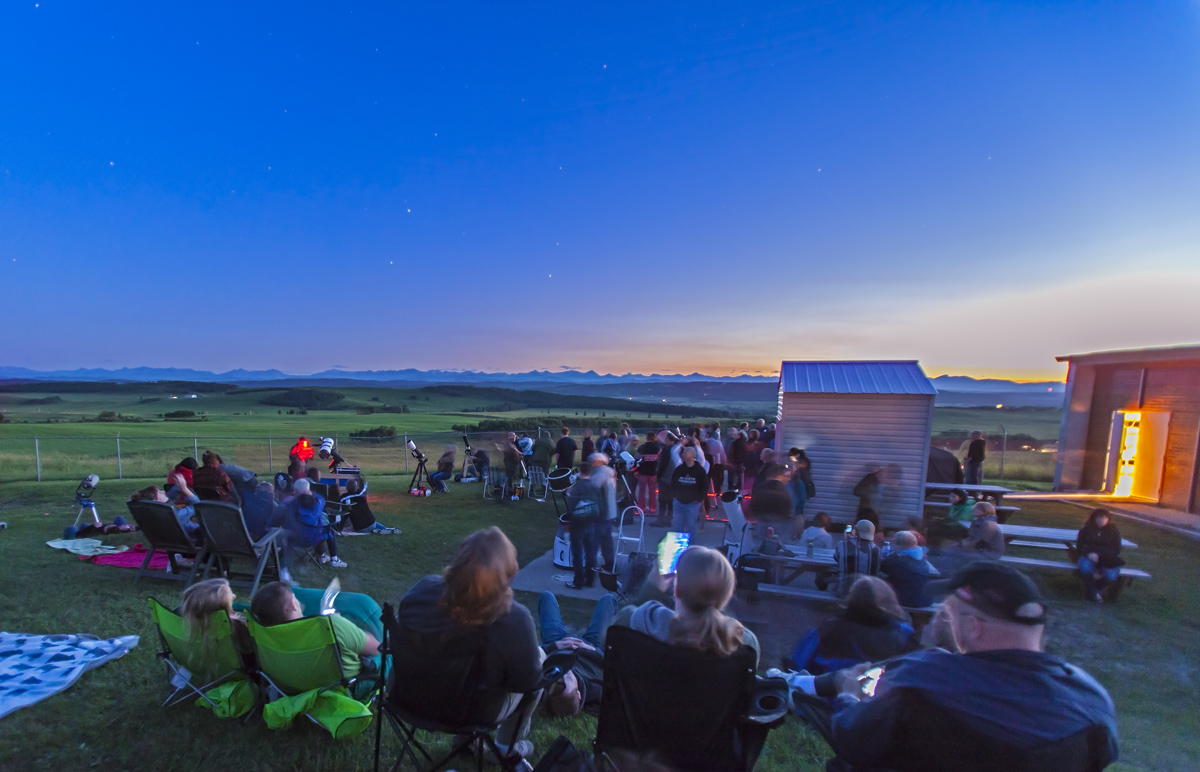
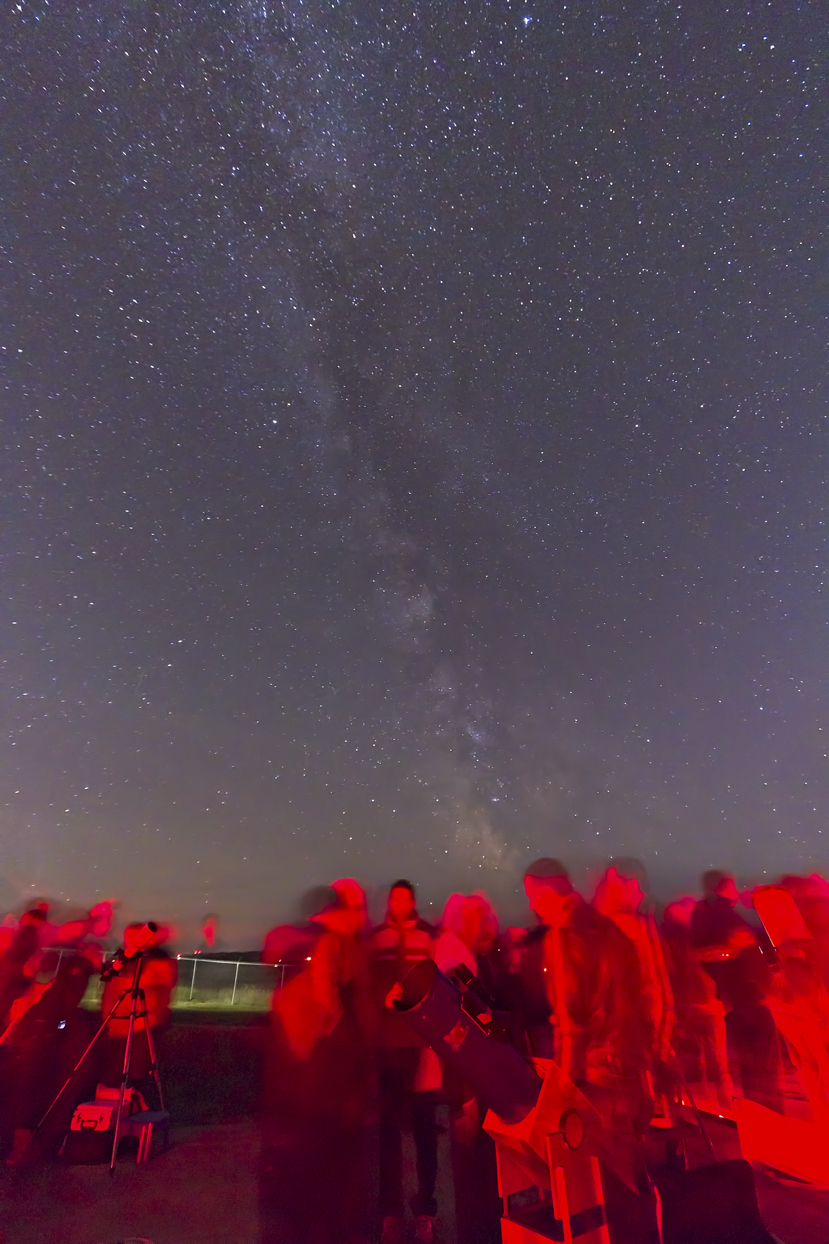

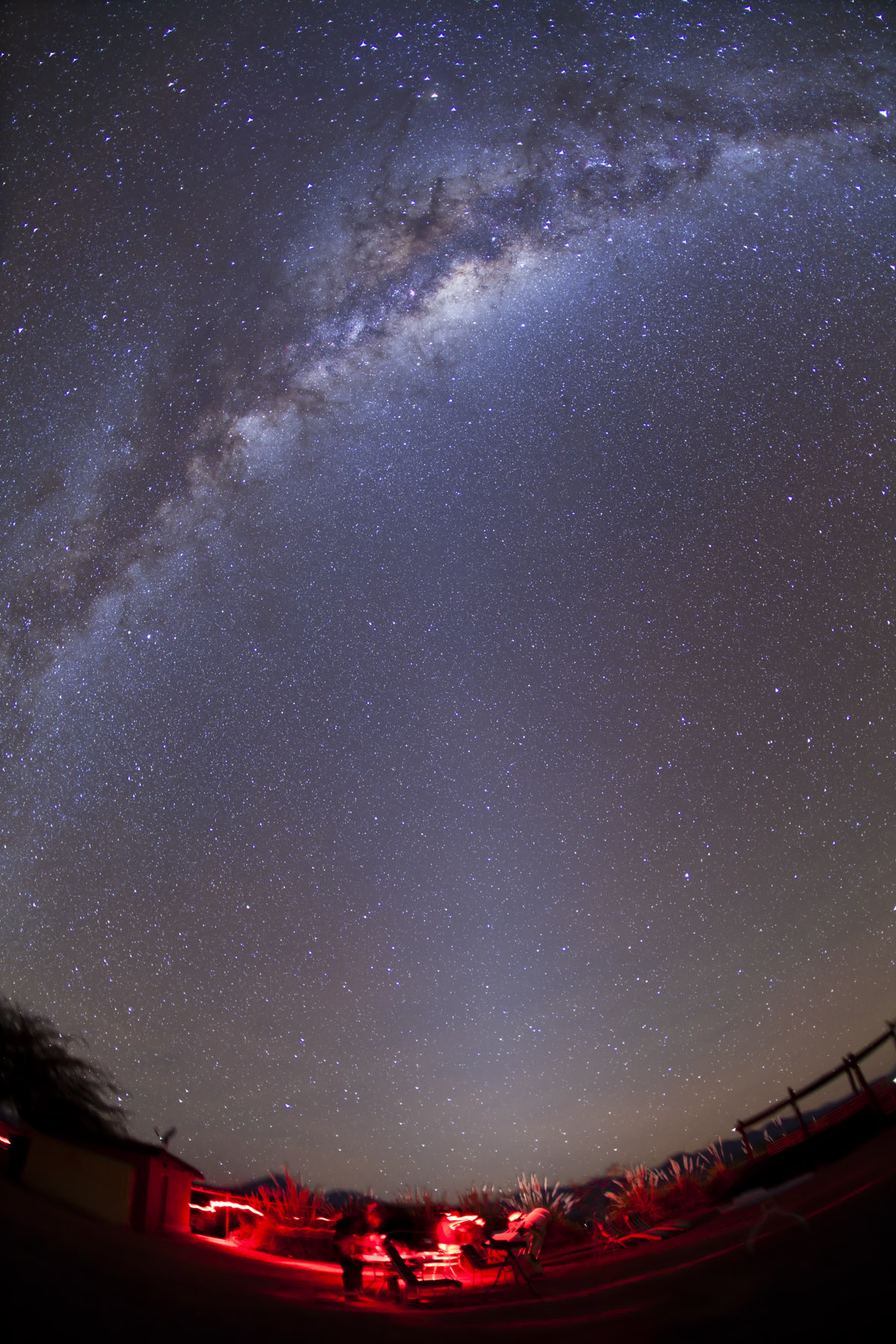

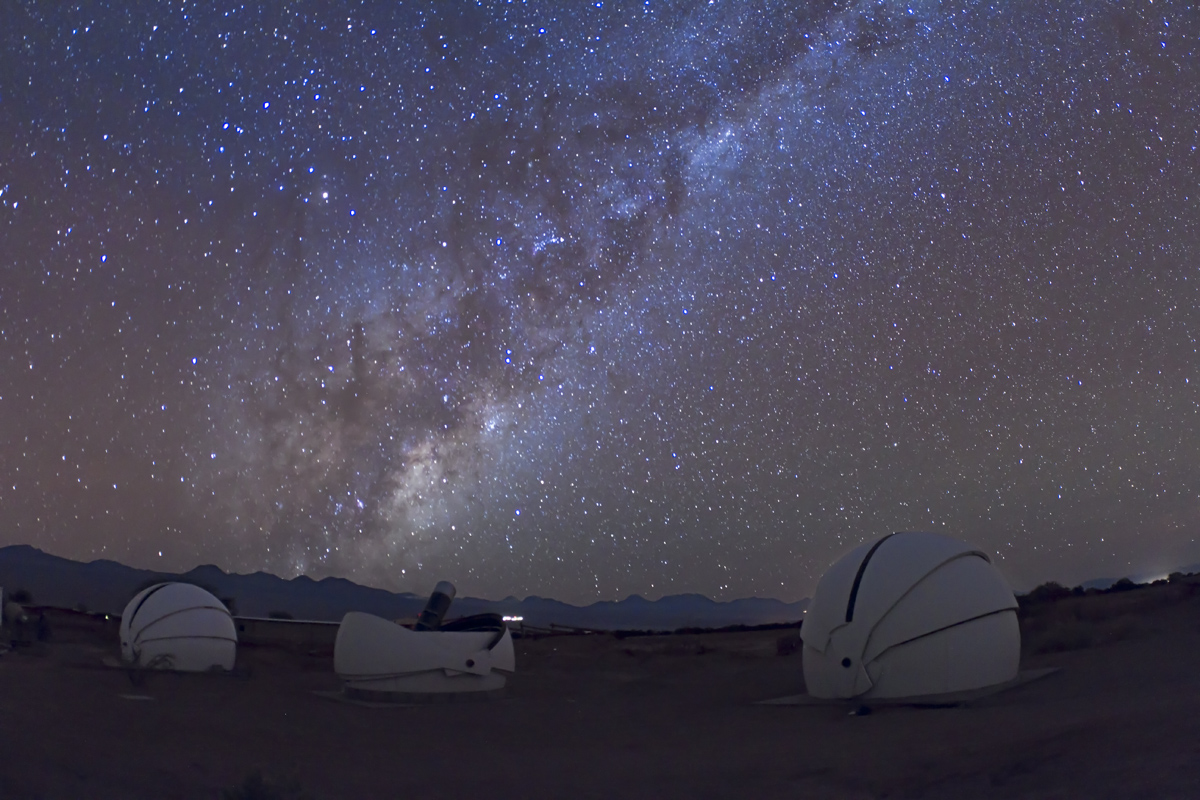
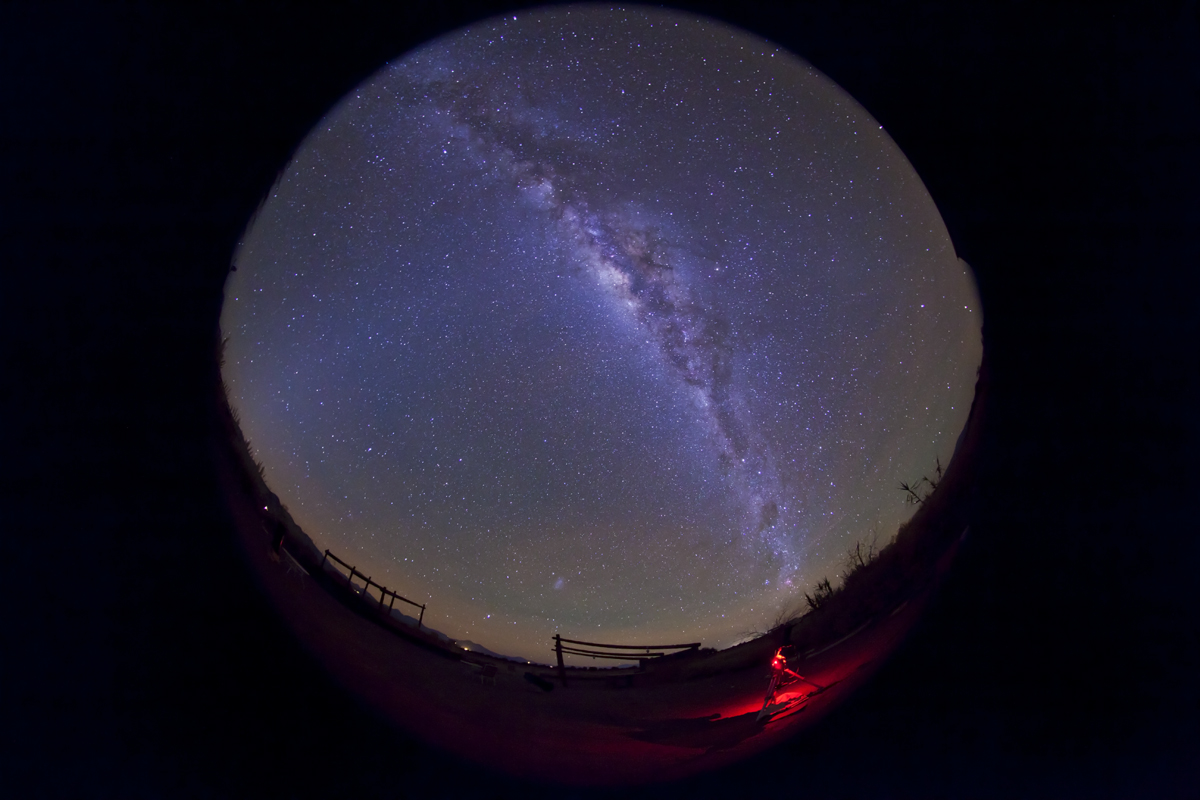
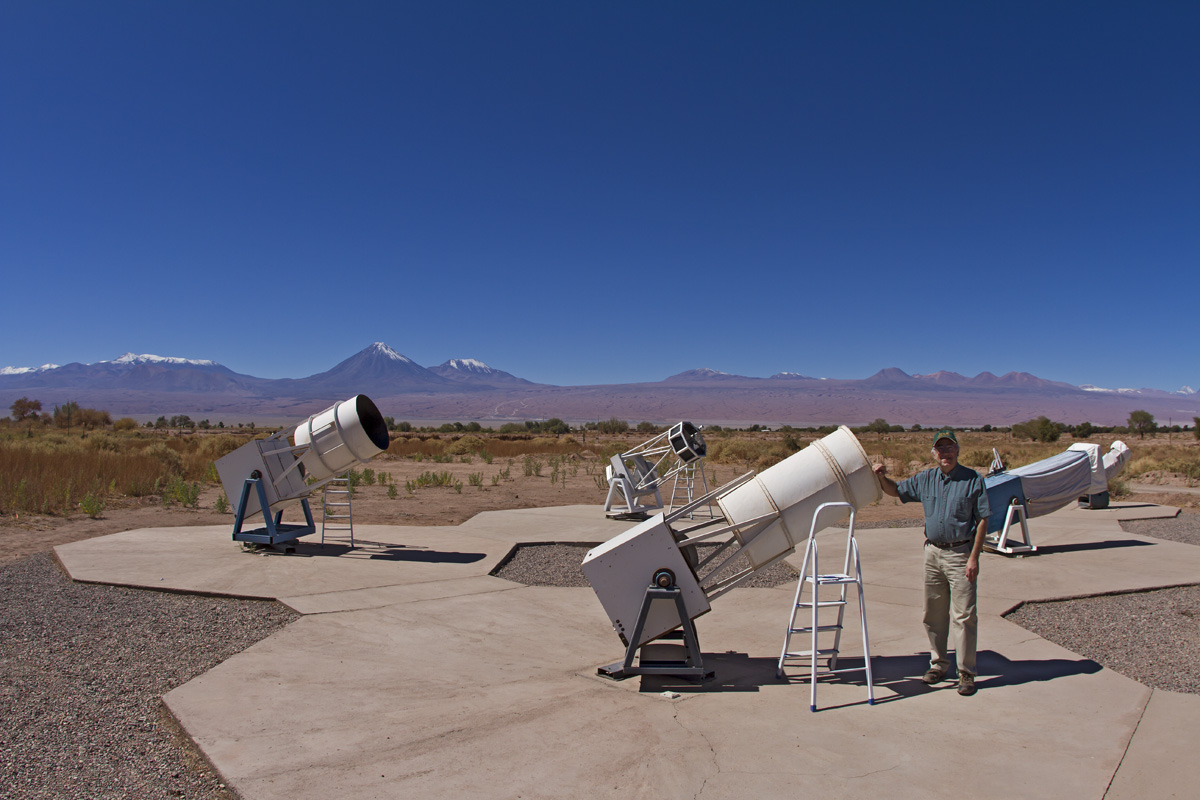
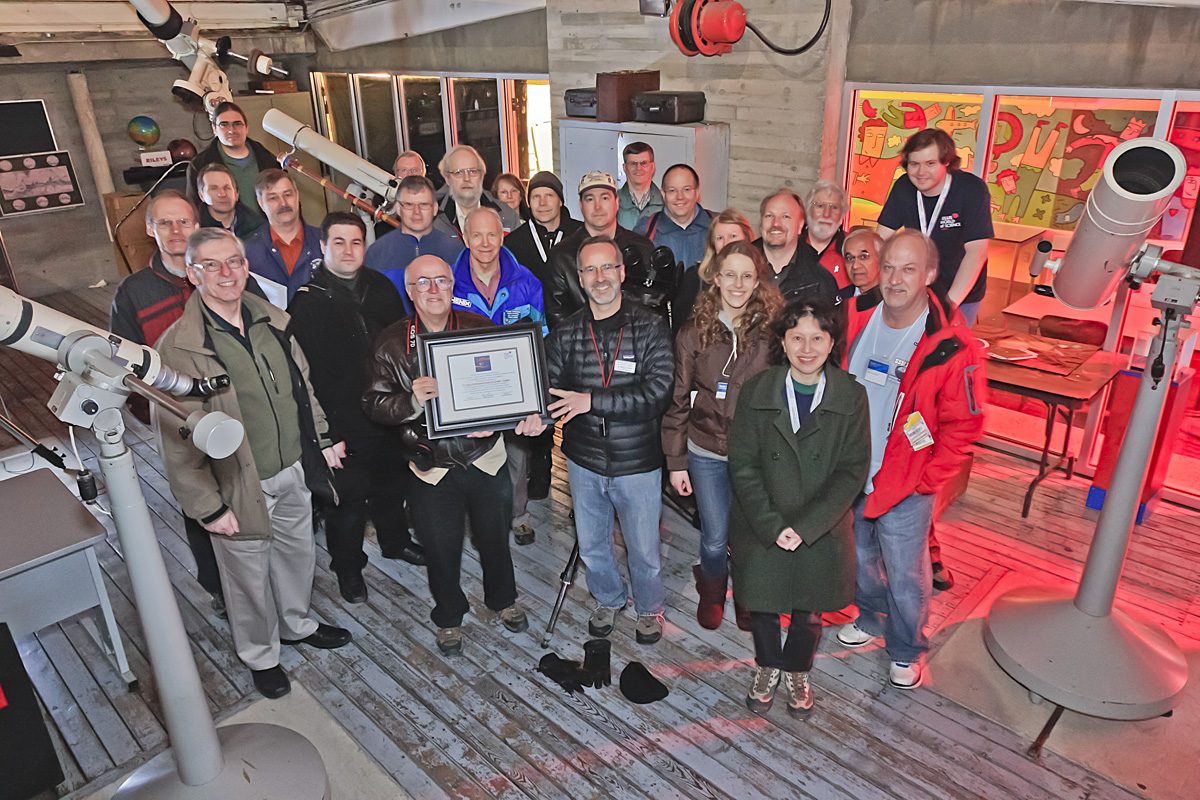


 The Amazing Sky